
In a highly anticipated disclosure, Mr. Money Mustache, the influential figurehead of the Financial Independence, Retire Early (FIRE) movement, has unveiled his personal spending figures following a two-year experiment designed to embrace a more abundant lifestyle. The reveal, detailed in a recent blog post, indicates a surprisingly modest increase in annual expenditures from approximately $20,000 to around $30,000, even after significant shifts towards discretionary spending and a notable purchase that initially sparked debate among his followers. This outcome suggests that deeply ingrained frugal habits and strategic financial structures can temper even deliberate attempts at increased consumption, maintaining a lifestyle well within the parameters of early retirement supported by a seven-figure investment portfolio.
Background to the "Abundance Mindset" Experiment
Mr. Money Mustache, whose real name is Pete Adeney, gained widespread prominence through his blog for advocating extreme frugality and disciplined saving, enabling early retirement by accumulating sufficient assets to live off investment returns. His philosophy, often encapsulated by the moniker "Mustachianism," champions conscious consumption, DIY solutions, and minimizing unnecessary expenses to accelerate the path to financial freedom. For years, his personal annual spending, hovering around the $20,000 mark (excluding housing costs due to a paid-off home), served as a benchmark for many aspiring to early retirement.
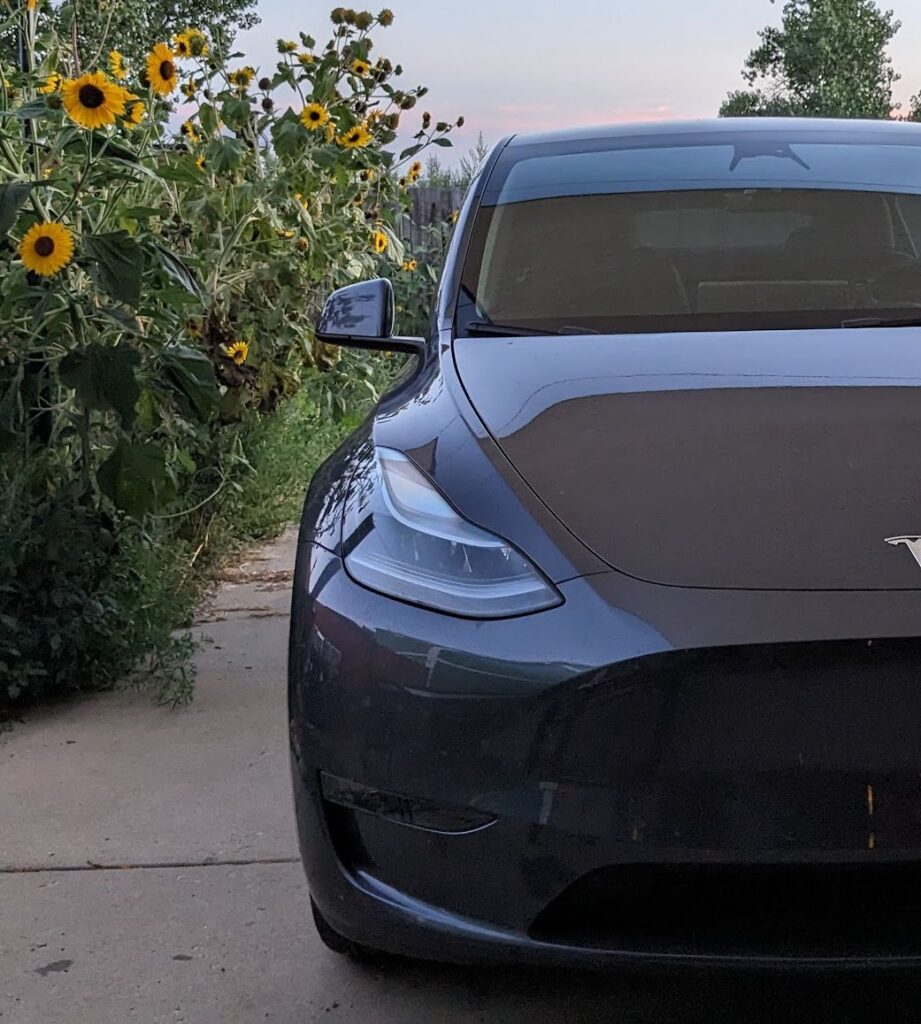
However, in April 2023, Adeney published a blog post titled "Why Buy Model Y," which marked a significant departure from his established narrative. In this post, he announced a conscious decision to "try to spend a bit more money," signaling a pivot towards exploring the concept of "abundance" after years of disciplined frugality. The purchase of a Tesla Model Y, a relatively high-value electric vehicle, was presented as the inaugural step in this new program. This move generated considerable discussion and, as Adeney himself acknowledged, led to a perception among some long-time followers that he had "lost some credibility." The community, accustomed to his advocacy for minimalist spending, reacted with a mix of surprise, curiosity, and, in some instances, disappointment, questioning whether the guru of frugality was abandoning his core tenets.
Adeney framed this shift not as a rejection of frugality, but as an ongoing "life experiment" – an exploration of how a financially independent individual might choose to enjoy wealth after achieving their goals. His stated intention was to adjust his habits and realign his lifestyle to embrace more comfort and experiences, envisioning "forty-eight years of the Good Life."

The Two-Year Period of Enhanced Spending
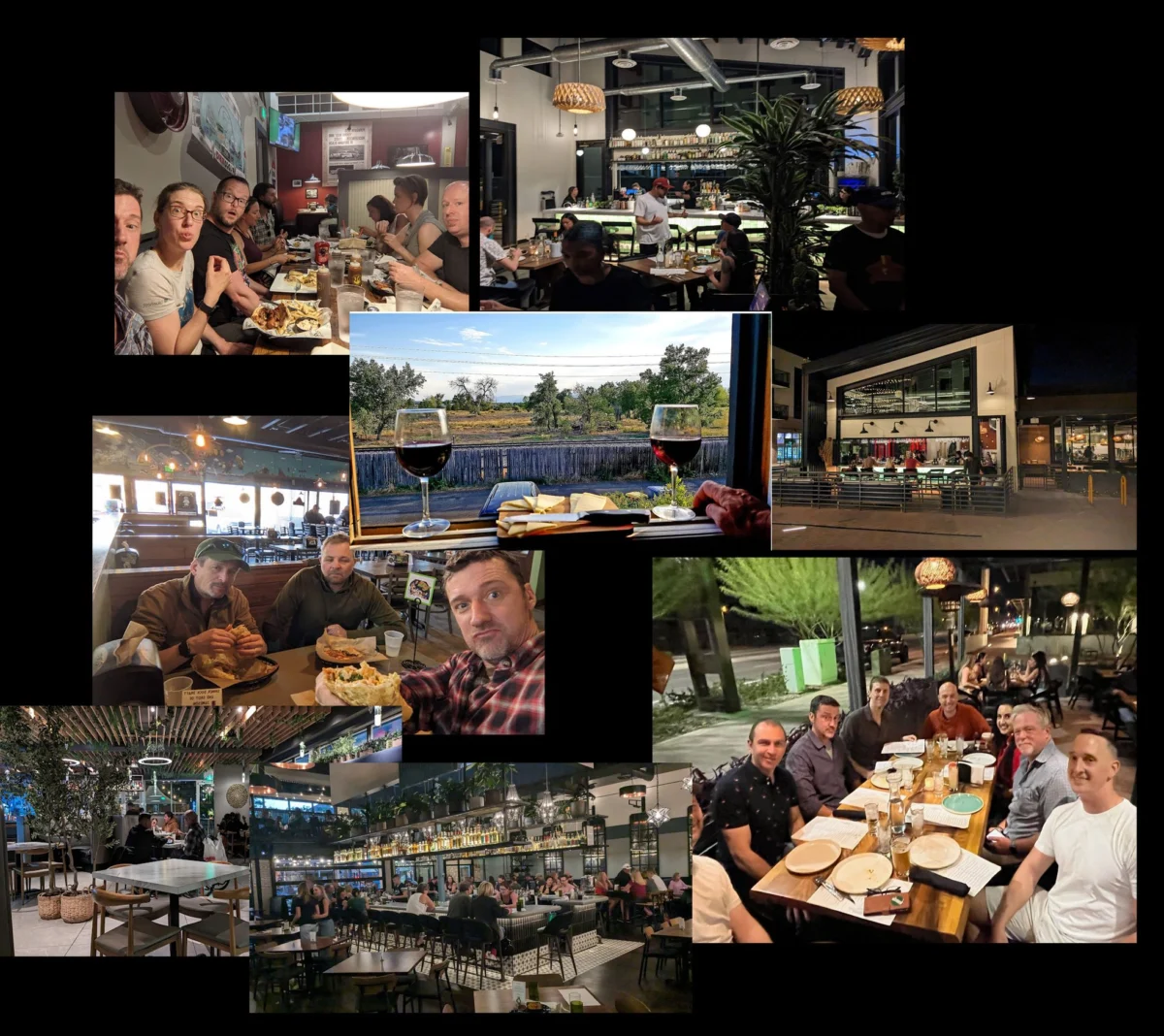
Following the initial announcement, the ensuing two years saw Mr. Money Mustache actively engaging in a more expansive spending pattern. This period was characterized by a conscious move away from strict cost-minimization, particularly in areas related to travel, dining, and entertainment. He chronicled instances of dining out in "stylish restaurants," opting for hotels based on "niceness rather than their cheapness," and selecting "reduced torture" seats on airplanes, a clear departure from the budget-conscious travel strategies often associated with the FIRE movement. Furthermore, he noted a willingness to pay premium prices for groceries at stores like Whole Foods, rather than exclusively relying on warehouse clubs like Sam’s Club and Costco, for which he maintained memberships at both.
This period also included a range of enriching experiences. Highlights cited by Adeney included attending multiple late-night Electronic Dance Music (EDM) concerts with his son and visiting three Meowwolf immersive art venues, including a Christmas Day road trip from Tempe, Arizona, to Las Vegas. The year was further described as an "adventurous transition," facilitated by a flexible schedule that allowed for frequent meet-ups with friends, exploration of new places, and engagement with new people. This personal account underscored a lifestyle of increased spontaneity and experiential richness, seemingly in line with his stated goal of embracing abundance.
Throughout this period, Adeney admitted to not meticulously tracking his expenditures, stating he was "having too much fun to bother adding it all up to check." This casual approach to budgeting, a stark contrast to the precise tracking often recommended in FIRE principles, further highlighted the experimental nature of this phase.
The Budget Reveal: A Minimalist’s Abundance
The catalyst for the detailed budget tabulation was an informal coaching session with a friend, which prompted a comparative review of their respective annual spending. Upon compiling and analyzing his transactions, Mr. Money Mustache expressed genuine surprise at the final figures. Despite the perceived increase in discretionary spending and the adoption of a more liberal approach to consumption, the overall financial impact remained "pretty minimal."
The consolidated data revealed that his annual spending had shifted from a baseline of approximately $20,000 to roughly $30,000. This figure notably excludes the "hidden subsidy of a paid-off house," a critical factor in his low overall cost of living. Even at $30,000 per year, this spending level is comfortably sustainable by a $1 million investment nest egg, a sum he states is considerably surpassed by his current investments, particularly after recent periods of economic growth and sustained stock market rallies. This places him significantly "under budget" relative to his accumulated wealth.
Adeney acknowledged that he had "failed" to genuinely escalate his spending to the levels he had previously hypothesized for "old wealthy people," yet expressed contentment with the outcome. He reported having "genuinely had more fun with the abundance mindset" and affirmed his intention to continue exploring further "life experiments" in the years to come. This perspective aligns with his long-standing emphasis on optimization and continuous learning, as previously articulated in his 2019 article on the concept of an "Optimization Council," which advocates for comparing spending and life-enhancement strategies.
Detailed Breakdown of Expenditures (2024)
The meticulously compiled budget provides a granular view of Mr. Money Mustache’s spending across various categories for the past year, reflecting the blend of personal and business expenses.
| Category | From Personal Card | From Business Card | Total | Details |
|---|---|---|---|---|
| Groceries | $5,465.56 | $494.83 | $5,960.39 | For him, a young adult son (about half the time), and guests. This figure is notably higher than typical extreme frugality but remains below average for many American families, especially considering it includes provisions for multiple individuals. |
| Restaurants | $2,145.11 | $98.48 | $2,243.59 | Designated for "special fun rather than just getting food," indicating a shift towards dining as an experience rather than mere sustenance. This aligns with the "abundance" goal. |
| Travel | $3,982.00 | $2,176.77 | $6,158.77 | Includes significant personal travel and "business travel" for events like Camp Fi and other conferences, blurring the lines between work and leisure in early retirement. This is a substantial increase from previous years. |
| Utilities | $1,909.51 | $0 | $1,909.51 | Standard household utilities. |
| Amazon/House | $949.64 | $2,604.46 | $3,554.10 | Approximately 75% of the business card portion is attributed to construction materials for clients (often friends), reimbursed via invoice, suggesting continued engagement in DIY projects and assistance to others. |
| Booze | $250.67 | $0 | $250.67 | Primarily for entertaining guests, reflecting social engagement. |
| Healthcare | $813.20 | $2,723.46 | $3,536.66 | Covers Sedera Health Sharing, a Direct Primary Care (DPC) subscription, and some advanced blood tests for screening. This is a new, significant category compared to previous self-insured periods. |
| Automobile | $2,191.68 | $233.53 | $2,425.21 | Primarily car insurance and registration for the Tesla Model Y. This figure does not include depreciation, which would further increase the actual cost of vehicle ownership. |
| Phone+Internet | $1,410.56 | $1,410.56 | Includes $50/month for Gigabit Internet and approximately $25-30/month for Google Fi mobile service, demonstrating cost-effective choices for essential services. | |
| Property Taxes | $2,577.30 | $2,577.30 | Described as "surprisingly reasonable" for a property valued between $500,000 and $600,000, underscoring the benefits of location and property tax rates. | |
| Total | $20,284.67 | $9,742.09 | $30,026.76 |
Comparing this budget to his 2019 spending report, the increase is modest, especially considering the inflationary pressures observed in recent years. Key shifts include higher spending on travel and leisure, balanced by reduced expenditures on home renovations, partly due to increased time away from home. Healthcare, a new recurring cost, represents a significant addition to his budget compared to when he was self-insured.
Key Factors Contributing to Savings

Mr. Money Mustache’s ability to maintain a relatively low spending baseline, even during an "abundance" experiment, is heavily influenced by several foundational financial decisions:
- Paid-Off Housing: The most significant omission from his budget is housing costs, as his primary residence has been paid off for many years. This eliminates mortgage payments, a major expense for most households.
- DIY Home Maintenance: His personal engagement in home care and repairs, leveraging his skills and time, negates the need for professional services like lawn mowing, plumbing, or handyman work, leading to substantial annual savings.
- Strategic Healthcare Model: His current healthcare strategy combines a Direct Primary Care (DPC) membership ($107 per month) with a high-deductible plan from Sedera Health Sharing ($201 per month). The combined monthly cost of $308 (approximately $3,700 annually) is presented as less expensive than even the cheapest standard Bronze health insurance plans, while offering comprehensive primary care and catastrophic coverage. Adeney emphasizes his proactive approach to health, which minimizes actual medical expenses, attributing his low costs to "good health and good luck." He acknowledges his limited experience with the broader medical system but highlights his life priority of "arranging my days for maximum health" to sustain this situation.
- Investment Cushion: His investment portfolio, significantly exceeding the $1 million benchmark required to sustain his current spending at a conservative withdrawal rate, provides a substantial buffer against market fluctuations and allows for flexibility in spending without jeopardizing his long-term financial independence.
Adeney also reflected on the decision to pay off his house, acknowledging that from a purely financial optimization standpoint, taking out a large mortgage at the low 3% interest rates of 2021 and investing the principal in stock index funds would have yielded a higher return. However, he prioritized the "peace of mind" and "good feelings" derived from having no mortgage payment, alongside the secondary benefit of not needing house insurance (saving an estimated $2,000 per year), which boosts the effective return on his payoff decision.
Implications and Future Outlook
The results of Mr. Money Mustache’s spending experiment offer several insights for the FIRE community and personal finance enthusiasts. Firstly, it demonstrates that building a robust financial foundation, particularly eliminating major liabilities like a mortgage, provides significant resilience against increased discretionary spending. Even when consciously attempting to spend more, the core infrastructure of frugality can inherently limit the upward creep of expenses.
Secondly, it highlights the subjective nature of "abundance." For Adeney, a $30,000 annual budget, encompassing travel, entertainment, and quality dining, constitutes a highly enjoyable and fulfilling life. This challenges the notion that significant wealth must translate into extravagant consumption to be appreciated. His experience suggests that true abundance can be found in strategic experiences and optimized spending rather than sheer volume.
Looking forward, Mr. Money Mustache continues to engage in "self-actualization" through financial optimization. He operates under the principle that "fixing your persistent problems is more effective than just doubling down on things that are already good in your life." While acknowledging the existing strengths in his life—family, friends, health, and daily activities—he identifies "physical chaos" as a current "annoyance." His space-intensive hobbies (construction, music) are constrained by his "pretty small house" and a 2-car, 440-square-foot garage. He envisions doubling his workshop space to approximately 1,000 square feet but is reluctant to compromise his current location, views, or neighbors. This represents an ongoing "optimization challenge" rather than a financial one.

Longer-term aspirations include a "mountain compound with its own cliffs and stream," currently an AI-generated image rather than a concrete plan. However, he maintains a pragmatic approach, recognizing that his existing commitments (house, HQ Coworking space) already generate extensive to-do lists. He holds this larger vision "on the shelf" until he is willing to trade an existing commitment for it, emphasizing the importance of balancing new acquisitions with current responsibilities and genuine happiness.
In conclusion, Mr. Money Mustache’s budget reveal underscores the enduring power of foundational financial independence. His experiment, while aimed at increasing spending, ultimately reinforced the effectiveness of his established frugal framework, demonstrating that a fulfilling and abundant life can be maintained with significantly less capital than typically assumed, even when deliberately exploring higher consumption levels. The narrative continues to evolve, reflecting an ongoing quest for optimal living within the parameters of early retirement and substantial wealth.
Market Note on Electric Vehicles:
In a related market observation, Mr. Money Mustache included a timely note regarding electric vehicles (EVs), specifically the Tesla Model Y and Model 3. He highlighted the potential disappearance of the $7,500 EV tax credit with an impending change in presidential administration, suggesting that the current period might represent the "cheapest chance to buy" these vehicles. He also noted that both new and used Tesla prices are at record lows. He provided a referral code, which offers an additional $1,000 discount on a new Tesla purchase, integrating a practical financial tip with his personal experience. This further underscores his ongoing engagement with practical consumer economics, even as his personal financial journey evolves.

