
The global financial markets have recently experienced a period of profound volatility, with sharp declines and equally dramatic recoveries, largely attributed to an escalating trade war initiated by the executive branch. This turbulence follows a multi-year market climb that peaked in February 2025, just before the onset of unprecedented tariff impositions. The subsequent months have seen the U.S. stock market lose as much as 20% of its value at its nadir, only to rebound significantly, astonishingly nearing its previous peak as of mid-2025. This erratic behavior, characterized by rapid shifts in investor sentiment, underscores the deep uncertainty cast by the administration’s trade policies.
Understanding the Mechanics of Tariffs
At its core, a tariff is a tax levied by a government on imported goods. While often presented as a measure to protect domestic industries or generate revenue, the economic impact is far more complex and widely debated. Importers, whether individual consumers purchasing goods directly from overseas manufacturers or multinational corporations like Amazon, Walmart, or Apple bringing in container loads of products, are directly responsible for paying these taxes. However, the burden of tariffs invariably cascades down to the end consumer. As the cost of imported goods rises for retailers and manufacturers, these increased expenses are typically passed on through higher retail prices to maintain profit margins.
Beyond consumer goods, tariffs also impact foundational industries. For instance, large-scale construction projects, from new Home Depot stores to Chevron oil rigs, face inflated costs due to taxes on imported steel, copper, lumber, and countless other raw materials and components. Similarly, the housing sector experiences increased expenses as many building materials originate from international supply chains. Economists generally agree that tariffs act as a broad-based sales tax, leading to higher prices across the economy, effectively slowing economic activity and diminishing consumer purchasing power. While the revenue generated from tariffs can theoretically contribute to the national budget or reduce the deficit, the broader economic consequences often outweigh these direct benefits.
The efficacy of any tax system, including tariffs, hinges on its predictability and fairness. Stable and transparent tax policies incentivize businesses to invest and plan for the long term. The current tariff regime, characterized by frequent, often unpredictable changes and the threat of escalating rates, introduces significant uncertainty, hindering business operations and investment decisions. This unpredictability creates an environment where long-term planning becomes precarious, leading to cautious spending and delayed expansion by businesses.
The Strategic and Economic Debate Surrounding Tariffs
While most economists advocate for minimal tariff use, proponents often argue for their strategic application to safeguard domestic industries. The argument posits that taxing imported goods, such as foreign-made automobiles, can grant a competitive edge to domestic manufacturers like General Motors. This protection theoretically boosts sales for domestic companies, leading to increased employment and investment in new factories and technologies. In critical sectors like national defense, tariffs might be justified to ensure the viability of domestic manufacturers of essential equipment, such as fighter jets.
However, the downsides of such protectionist measures are substantial. While domestic industries might benefit, consumers typically face higher prices and reduced product selection. Furthermore, sheltered industries may lose the incentive to innovate and improve efficiency, as they are less exposed to fierce international competition. The ripple effect extends across the economy: higher vehicle prices, for example, increase operational costs for logistics companies, which then pass those costs onto consumers through higher prices for goods and services. This creates an environment that is less efficient and more expensive, potentially stifling innovation and growth in other sectors.
A notable example of tariffs impacting critical sectors is the tax on imported solar panel components, initially implemented by the Biden administration and subsequently increased by President Trump. These components, primarily cheap glass sheets, are vital for producing affordable clean energy. Imposing tariffs on them raises the cost of solar energy, counteracting efforts to lower energy costs and promote sustainable development. Such policies are viewed by many as counterproductive, impeding the flow of wealth and technological advancement.
Tariffs and Job Creation: A Deeper Look
The assertion that tariffs unequivocally create jobs is a cornerstone of protectionist arguments. Returning to the example of a $5,000 tariff on imported Hondas, this policy would likely steer some consumers toward domestically produced GM vehicles. The resulting increase in GM sales could indeed lead to the hiring of more workers and the construction of new manufacturing facilities, potentially fostering advanced skill development within the auto industry.

However, this perceived gain comes at a broader economic cost. The "everyone else" in the economy bears the burden of higher prices for vehicles, impacting everything from individual consumers to large delivery fleets. This increased cost diminishes overall economic efficiency, potentially hindering the growth of other sectors and reducing the likelihood of new business formation or medical breakthroughs. Moreover, domestic industries shielded from foreign competition may become complacent, slowing their own innovation and efficiency improvements.
This comprehensive view leads most economists to conclude that tariffs, while potentially beneficial to specific protected industries, generally lead to a net decrease in overall employment and economic slowdown. The instances where these costs are deemed acceptable, such as for food security or national defense, are typically narrow and strategically defined.
The Executive Branch and Tariff Authority
The recent surge in tariffs has been largely driven by the executive branch, with President Trump frequently employing them as a tool in international negotiations. His administration has often articulated an economic philosophy that suggests tariffs can enhance national wealth, focusing on the immediate, visible benefits to specific domestic industries while downplaying or ignoring the broader economic inefficiencies and increased costs. This perspective, which many economists term a "Bizarro Opposite Universe" approach, contrasts sharply with mainstream economic theory.
Market reactions have consistently challenged this narrative. Announcements of increased tariffs typically trigger declines in share prices, reflecting investor and corporate recognition that such measures generally reduce profitability for U.S. companies. Conversely, any indication of tariff reductions or pauses tends to boost stock prices, signaling investor optimism for a return to more open trade conditions. This dynamic suggests a fundamental disconnect between the administration’s stated rationale and the market’s economic realities.
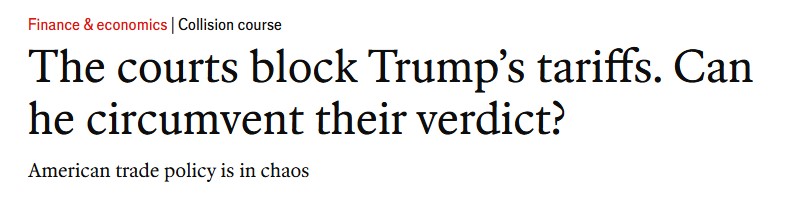
The underlying theory behind the administration’s tariff strategy appears to be one of leverage: by imposing high tariffs, the U.S. aims to compel trading partners to renegotiate trade agreements on terms more favorable to American interests. This approach treats tariffs as a bargaining chip rather than a sustainable economic policy. However, this strategy subjects the entire economy to the unpredictable whims of a single individual, raising significant concerns about governance and stability. Critics argue that this concentration of economic power undermines the constitutional framework of checks and balances, where independent branches of government are designed to prevent such unilateral actions. The judicial system has already begun to address these constitutional questions, with some courts challenging the executive’s authority to impose tariffs without broader legislative consent.
Current Tariff Landscape and Economic Lag
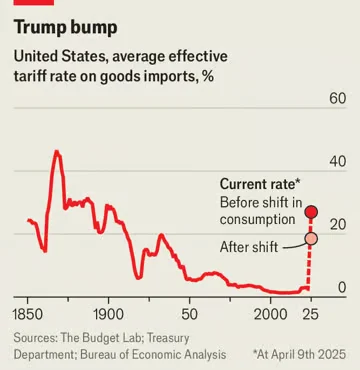
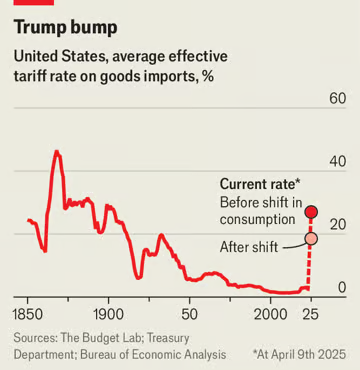
Even with fluctuations, current tariff levels remain significantly higher than those seen in the last 75 years, representing a stark departure from the low-tariff, free-trade environment that has underpinned the U.S. economy for decades. While the precise figures can be dynamic, the qualitative shift is undeniable.
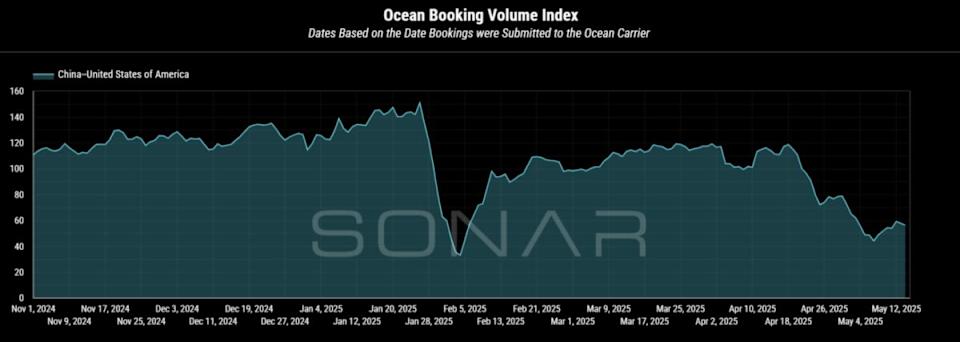
Despite these elevated tariffs, many consumers have yet to experience significant price increases. This lag can be attributed to the inherent inertia of the U.S. economy, which operates much like a massive cargo ship with substantial inventory. Typically, the country maintains several months’ worth of inventory across various product categories. As the tariff drama unfolded, importers proactively stockpiled goods, anticipating future tariff implementations. This pre-tariff surge in imports temporarily buffered the economy. However, with subsequent significant reductions in new imports, these stockpiled goods are being depleted. Analysts predict that if current import trends persist, shortages and price increases could become noticeable throughout the latter half of 2025. While a scarcity of "plastic party trinkets" might be inconsequential, a sustained disruption in the supply of essential tools, machinery, and core components could lead to severe economic consequences.
Future Scenarios: Navigating the Uncertainty
The trajectory of the current trade environment remains uncertain, with several potential outcomes:
1. Sustained High Tariffs: This scenario, while considered less likely by many given its broad negative impacts, outlines a potential future where the current elevated tariffs become entrenched. Such a situation could lead to:
- Persistent Inflation: Higher prices for imported goods and domestic alternatives would erode purchasing power and raise the cost of living.
- Supply Chain Restructuring: Businesses would be forced to re-evaluate and reconfigure their global supply chains, potentially leading to increased domestic production but also higher costs and reduced efficiency.
- Reduced Global Trade: Retaliatory tariffs from other nations would shrink international trade volumes, impacting export-oriented U.S. industries and global economic growth.
- Economic Slowdown: The cumulative effect of increased costs, reduced trade, and business uncertainty would likely dampen overall economic growth and investment.
- Increased Isolation: The U.S. could face greater economic isolation as its trade relationships with key partners become strained.
2. Resolution and Return to Lower Tariffs: Many investors and economists anticipate that the current tariffs are primarily a negotiating tactic and will eventually lead to a resolution, restoring a more open trade environment. This scenario could entail:
- Trade Agreements: The tariffs serve as leverage to secure new trade agreements, leading to their eventual reduction or removal.
- Market Reassurance: A return to predictable, low-tariff policies would alleviate market uncertainty, encouraging investment and economic expansion.
- Global Economic Rebound: Renewed free trade would facilitate the efficient flow of goods and services, benefiting global economic growth and fostering international cooperation.
- Consumer Benefits: Lower prices and greater product choice would return as import costs decrease.
This latter scenario aligns with the fundamental principle that mutual prosperity is best achieved through collaboration and the free exchange of goods, services, and ideas among nations. Just as a large internal market like the U.S. thrives on open borders between states, the global economy benefits from a similar cooperative approach.
Epilogue: Market Resilience and Media Scrutiny
The dramatic market fluctuations of recent months highlight the resilience of investor belief in a favorable long-term outcome. The period following President Trump’s "Liberation Day" announcement on April 2nd, which triggered a significant stock market drop reminiscent of 1932, saw many panicked investors lock in losses. However, the subsequent two months witnessed a steady rebound, with stock prices generally rising in response to any perceived softening or pause in tariff threats. As of writing, the U.S. stock market has largely recovered, almost reaching its all-time high despite tariffs remaining approximately seven times higher than pre-crisis levels. This recovery suggests a prevailing investor confidence that the current "emergency tariff dictatorship" is a temporary phase, and a return to democratic governance and free international trade is inevitable.

This period also serves as a stark reminder of the evolving landscape of information. In an age where news headlines are often optimized for attention rather than accuracy, public perception can be significantly distorted. Modern commercial media, driven by clicks and engagement, frequently prioritizes sensationalism, outrage, and fear, often at the expense of factual nuance. This bias necessitates a critical approach to information consumption. Individuals are encouraged either to disengage from constant news cycles and focus on their immediate lives or to become subject matter experts in areas they care about, consulting original sources to form informed opinions. The discrepancy between media narratives and the complex economic realities underscores the importance of independent analysis and a cautious approach to financial decisions based solely on fleeting headlines.
In conclusion, the current trade environment presents a complex interplay of political strategy, economic theory, and market dynamics. While the immediate future remains uncertain, the long-term outlook, predicated on the eventual triumph of stable, collaborative international trade policies, suggests continued economic growth and prosperity. Investors, guided by historical patterns of market resilience, continue to place their bets on this fundamental principle.

