
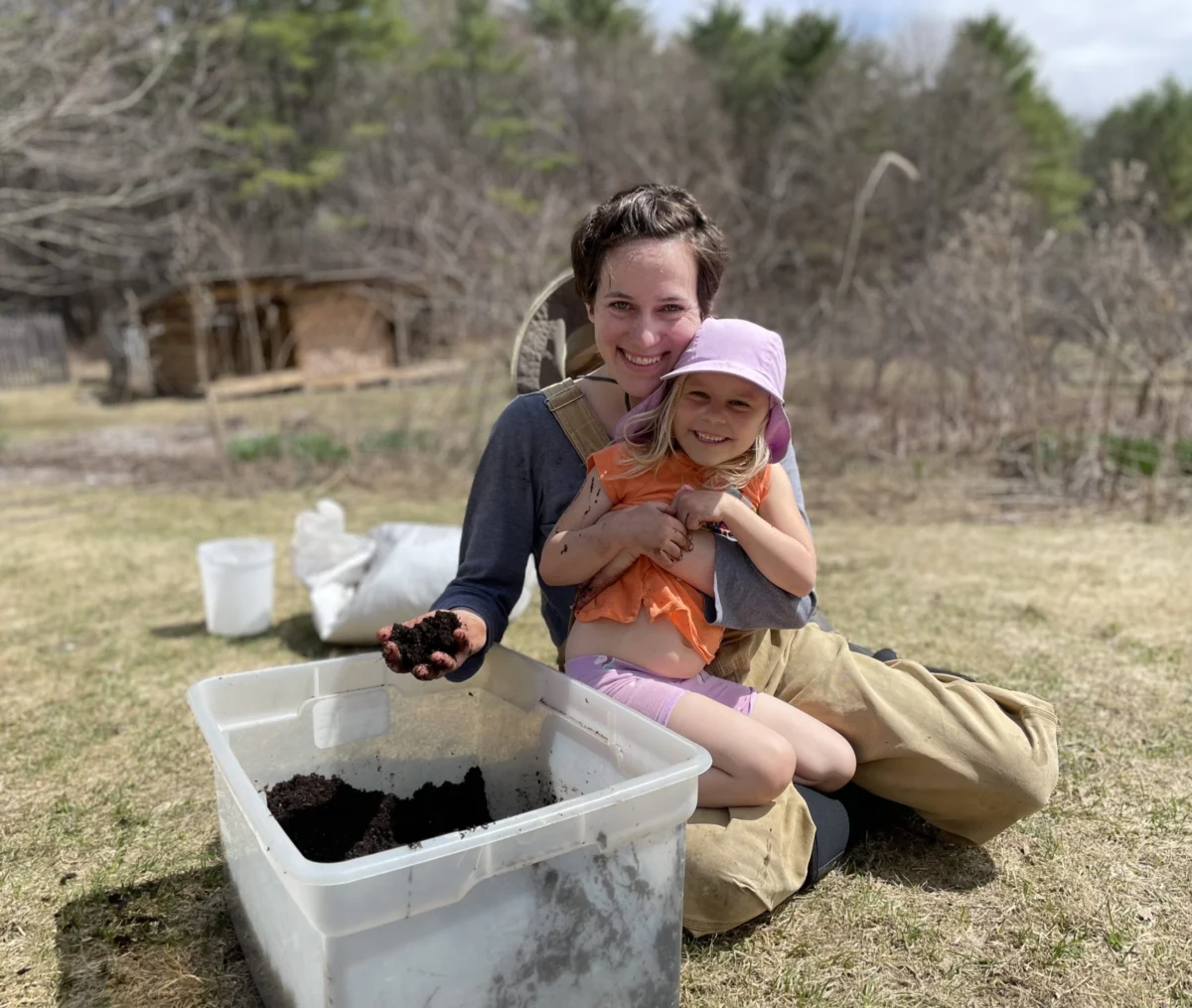
The transition from high-intensity urban professional life to rural self-sufficiency is a cornerstone of the American "Back-to-the-Land" narrative, yet the practical application of this lifestyle often encounters significant friction when met with the realities of agricultural labor and environmental volatility. In May 2016, Elizabeth Willard Thames and her husband, Nate Thames, creators of the prominent financial independence platform Frugalwoods, relocated from a metropolitan environment to a 66-acre homestead in rural Vermont. Their journey, now spanning seven years, serves as a case study for the modern homesteading movement, illustrating the divergence between the idealized vision of total food autonomy and the logistical constraints of non-industrial food production.
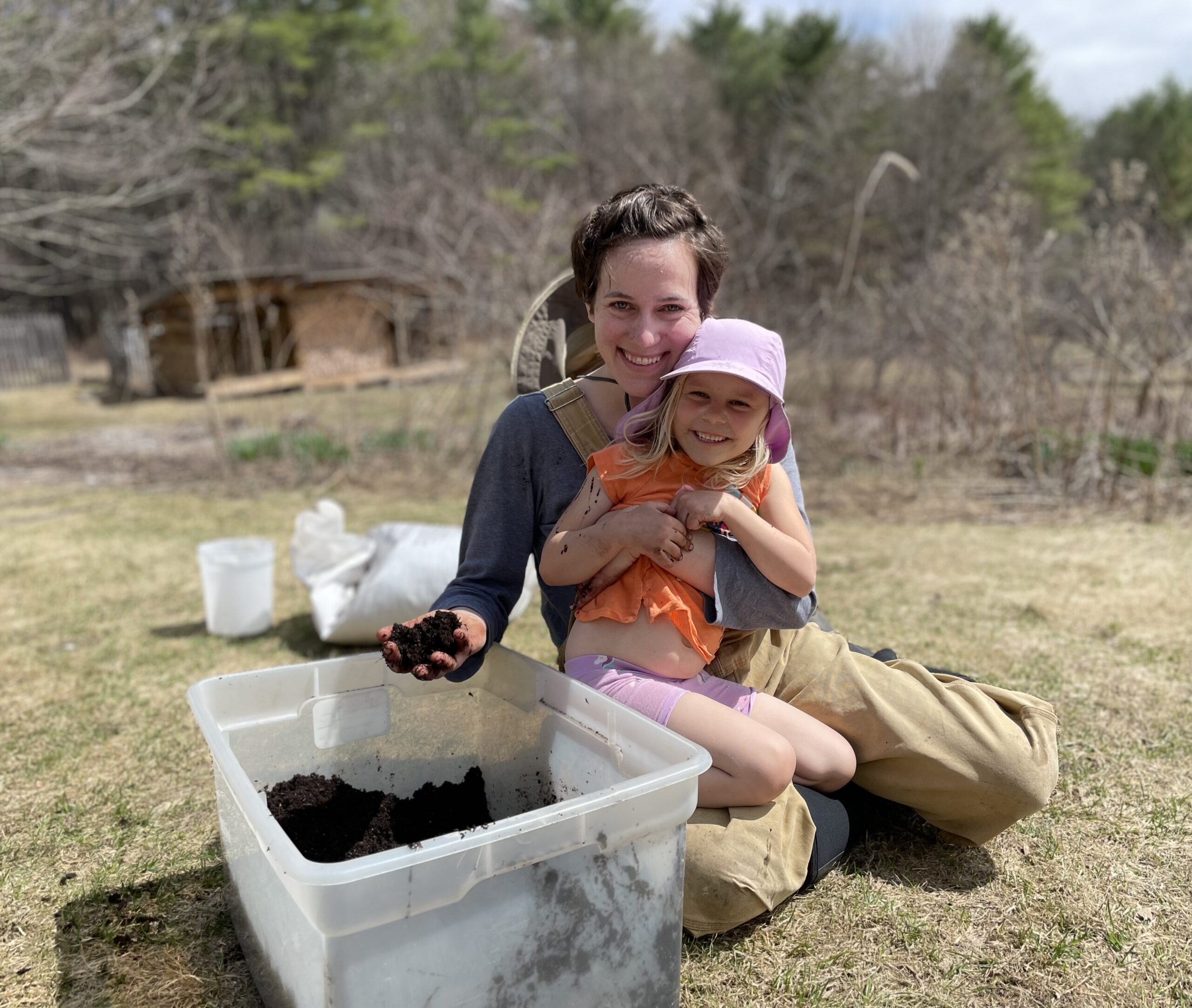
The initial impetus for the move was rooted in a desire to exit the traditional corporate "rat race" in favor of a sustainable, organic lifestyle. The couple’s early projections included an expansive list of agricultural goals: growing all requisite fruits and vegetables, raising livestock for meat and dairy, and mastering the intricate arts of cheesemaking and butter churning. However, as the seventh anniversary of their transition approaches, the Thameses have recalibrated their approach, moving away from the pursuit of total self-sufficiency toward a model of "balanced homesteading" that prioritizes time and community integration over exhaustive manual labor.

The Myth of Total Self-Sufficiency in Modern Agriculture
The concept of "homesteading" in the 21st century often draws inspiration from 19th-century subsistence models, such as those popularized by the works of Laura Ingalls Wilder. However, historical data suggests that subsistence farming was an all-consuming endeavor, often marked by extreme physical hardship and a lack of modern safety nets. For contemporary homesteaders, the attempt to replicate this model frequently results in what Elizabeth Willard Thames describes as a "kale and chard apocalypse"—a phenomenon where the labor required to harvest and preserve a surplus of crops outweighs the utility of the food itself.

In 2018, the Thameses attempted a massive scale-up of their vegetable production, planting 80 kale and chard starts. The resulting harvest was agriculturally successful but logistically overwhelming. The processing of this single crop required days of manual labor, including harvesting, washing in makeshift industrial-scale stations (utilizing plastic kiddie pools), blanching, and vacuum sealing. The experience highlighted a critical flaw in the homesteading dream: without an industrial kitchen or a dedicated workforce, the "harvest season" becomes a full-time, high-stress job that replicates the very burnout the couple sought to escape in the city.

Chronology of the Thames Homestead Evolution
The development of the Vermont homestead followed a distinct trajectory of infrastructure investment followed by a tactical retreat to more manageable systems:

- May 2016: The couple officially relocates to the 66-acre property, establishing the "Big Vegetable Garden" with traditional rows.
- 2016–2017: Initial experiments with annual crops. The realization of Vermont’s volatile weather patterns, including late spring frosts and early autumn freezes, begins to shape their planting schedules.
- 2018: The "Kale and Chard Apocalypse." This serves as the turning point for the couple’s philosophy, moving away from the "grow everything" mandate toward a more selective planting strategy.
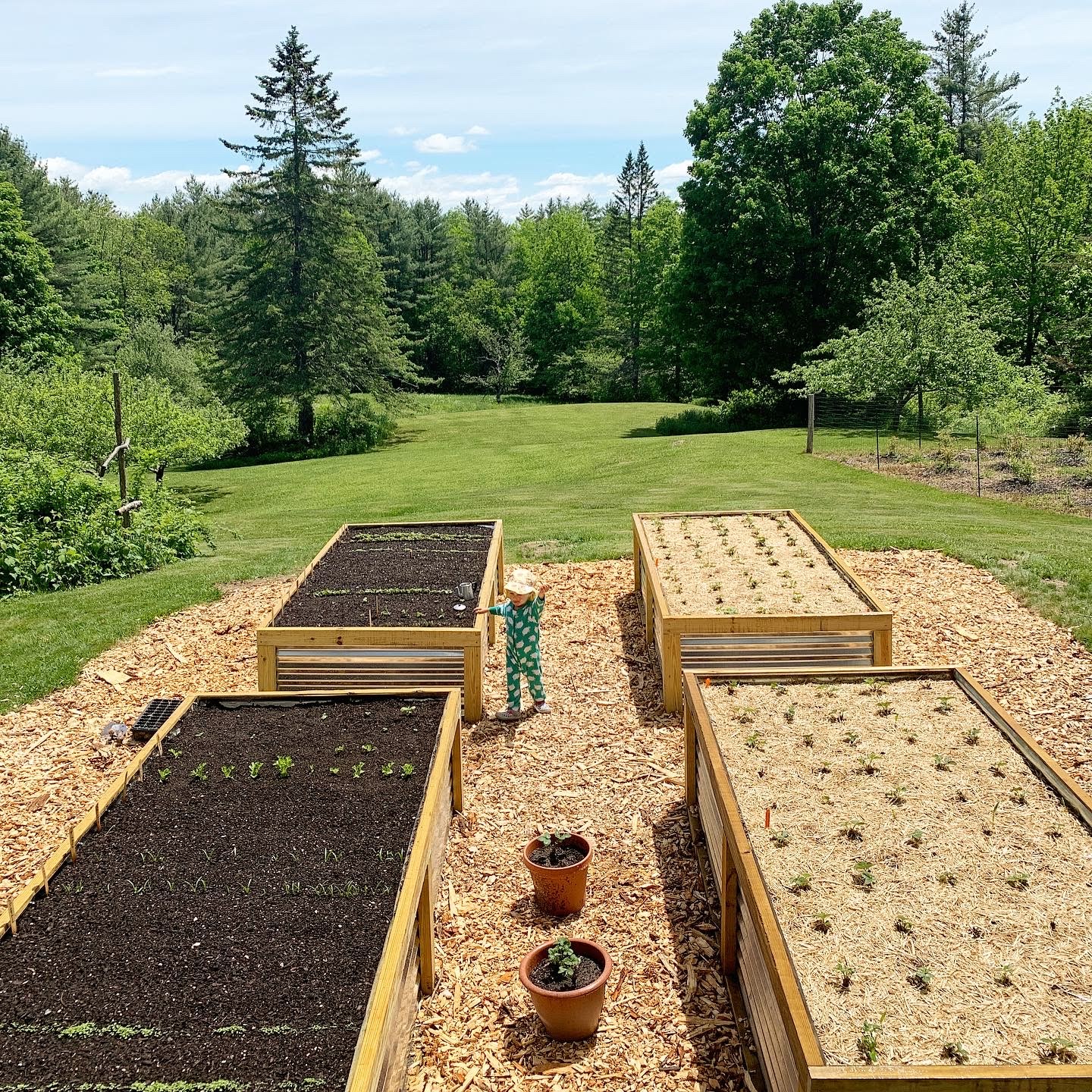
- 2020: Shift toward efficient infrastructure. Nate Thames constructs four raised beds adjacent to the primary residence. These beds are dedicated to high-use herbs, greens, and strawberries, reducing the "commute" to the main garden for daily culinary needs.
- 2021: Installation of cattle panels for vertical trellising. This move toward vertical gardening intended to maximize space and reduce the labor associated with individual plant staking for tomatoes and peas.
- 2022–2023: Maturation of perennial crops. The couple focuses on long-term yields from fruit trees and bushes, while simultaneously accepting the inevitability of crop loss to local wildlife.
The Biological and Economic Realities of Perennial Farming
A significant portion of the Thames’ homesteading strategy involved the planting of perennial food sources, which, unlike annual vegetables, require years of maintenance before yielding a harvest. Their current inventory includes apple, plum, and cherry trees, alongside blueberry, elderberry, and raspberry bushes. However, the data on perennial yields in rural New England reveals several hurdles:

- Maturity Timelines: Standard apple trees typically require six to eight years to reach full production. During this time, they remain susceptible to disease and environmental stress without providing any caloric return.
- The "Clever Varmint Patrol" (CVP): In rural Vermont, competition for food with local fauna is a primary cause of crop failure. The Thameses report near-total losses of cherry and plum harvests to local wildlife, which often wait until the precise moment of peak ripeness to consume the fruit.
- Harvest Synchronization: Unlike a grocery store, which provides a steady supply of produce, a homestead experiences "pulses" of abundance. When a single apple tree ripens, it may produce hundreds of pounds of fruit simultaneously. The labor required to process this volume—pressing cider, canning applesauce, or dehydrating slices—must be performed within a narrow window to prevent rot.
According to agricultural extension data, the time-cost of home preservation is significant. For every hour spent in the garden, an additional two to three hours may be required in the kitchen for proper canning and storage. For the Thames family, this realization led to the decision to stop attempting to preserve every single unit of produce, instead opting to share surpluses with neighbors or allow the "varmints" to take a share.

Sociological Impact and the Rejection of Lifestyle Perfectionism
The Thames’ shift in perspective mirrors a broader trend among long-term homesteaders who eventually reject the "perfectionism" often found on social media platforms like Instagram. The pressure to present a flawless, self-sufficient lifestyle can create a secondary form of "rat race" anxiety.

Elizabeth Willard Thames notes that "chaining myself to my vegetable garden is really no different than chaining myself to my desk and computer." This sentiment reflects a growing awareness of the opportunity cost of homesteading. For many, the value of rural life lies in freedom of time and space; when the maintenance of that life becomes a 24/7 obligation, it ceases to serve its original purpose.
Furthermore, the couple has moved toward a "pro-neighbor" economic model. Rather than attempting to master every aspect of food production, they now prioritize purchasing meat, dairy, and supplemental produce from local farmers. This not only supports the local rural economy but also acknowledges the superior efficiency of specialized, full-time agricultural operations.

Analysis of Implications for the Modern Homesteader
The evolution of the Frugalwoods homestead offers several key takeaways for those considering a similar move:

- Infrastructure Over Labor: Investing in permanent solutions—such as raised beds, cattle panels, and fencing—reduces the annual labor burden.
- Acceptance of Loss: In a non-industrial setting, a certain percentage of crop loss to weather and wildlife is inevitable. High-stress attempts to prevent 100% of loss often lead to burnout.
- Scale Management: Starting small and scaling up slowly allows a homesteader to find their "labor ceiling." The Thameses found that their ceiling was significantly lower than their initial urban dreams had suggested.
- Community Integration: Self-sufficiency is often a misnomer; true rural resilience frequently comes from interdependence within a community of specialized producers.
As of May 2023, the Thameses continue to maintain a productive, albeit scaled-back, agricultural presence on their land. Their current system—comprising the four porch-side raised beds for daily greens, the fenced "Big Garden" for annual staples like squash and tomatoes, and the maturing perennial orchard—represents a middle ground. It provides the psychological and nutritional benefits of fresh, home-grown food without the crushing labor requirements of total subsistence.

In conclusion, the seven-year journey of the Thames family highlights a critical evolution in the modern homesteading movement: the transition from "idealistic isolationism" to "pragmatic participation." By debunking the myth that a modern family must grow all its own food to be successful, they provide a more sustainable blueprint for others looking to exchange city lights for the woods of Vermont. The ultimate goal, they suggest, is not to become a 19th-century farmer, but to use the land to facilitate a life of greater autonomy, balance, and community connection.

