
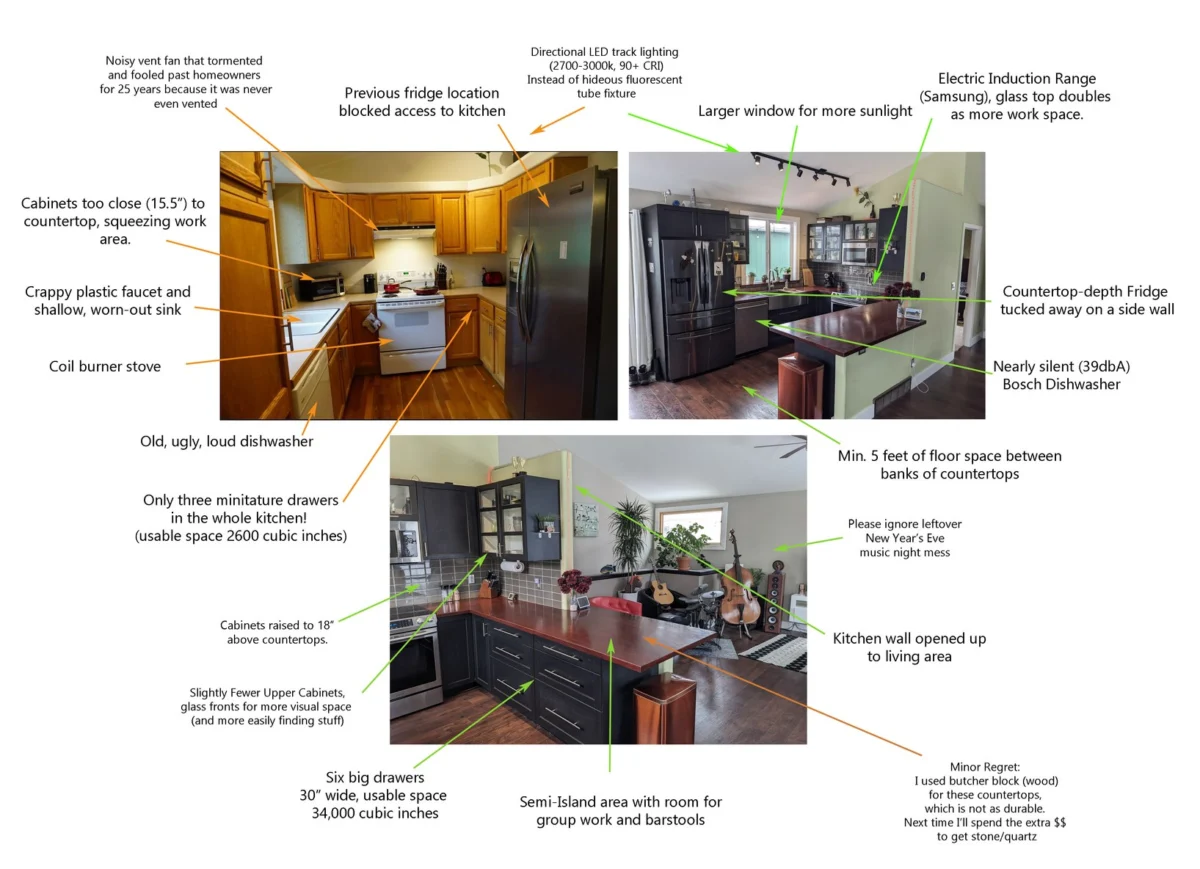
The landscape of home improvement is experiencing a significant shift, with kitchen renovations emerging as a cornerstone of property value enhancement and personal satisfaction. For many homeowners, the allure of a modern, highly functional kitchen extends beyond mere aesthetics, tapping into the core concept of a home as a central hub for family life, social gatherings, and personal well-being. This profound connection, coupled with the escalating costs of professional services, has propelled a growing segment of individuals to embrace the complexities of do-it-yourself (DIY) kitchen overhauls. What was once a niche pursuit for the exceptionally handy is now a strategic financial and lifestyle choice, driven by the potential for substantial savings and a high return on investment.
The Kitchen’s Evolving Role: More Than Just Cooking
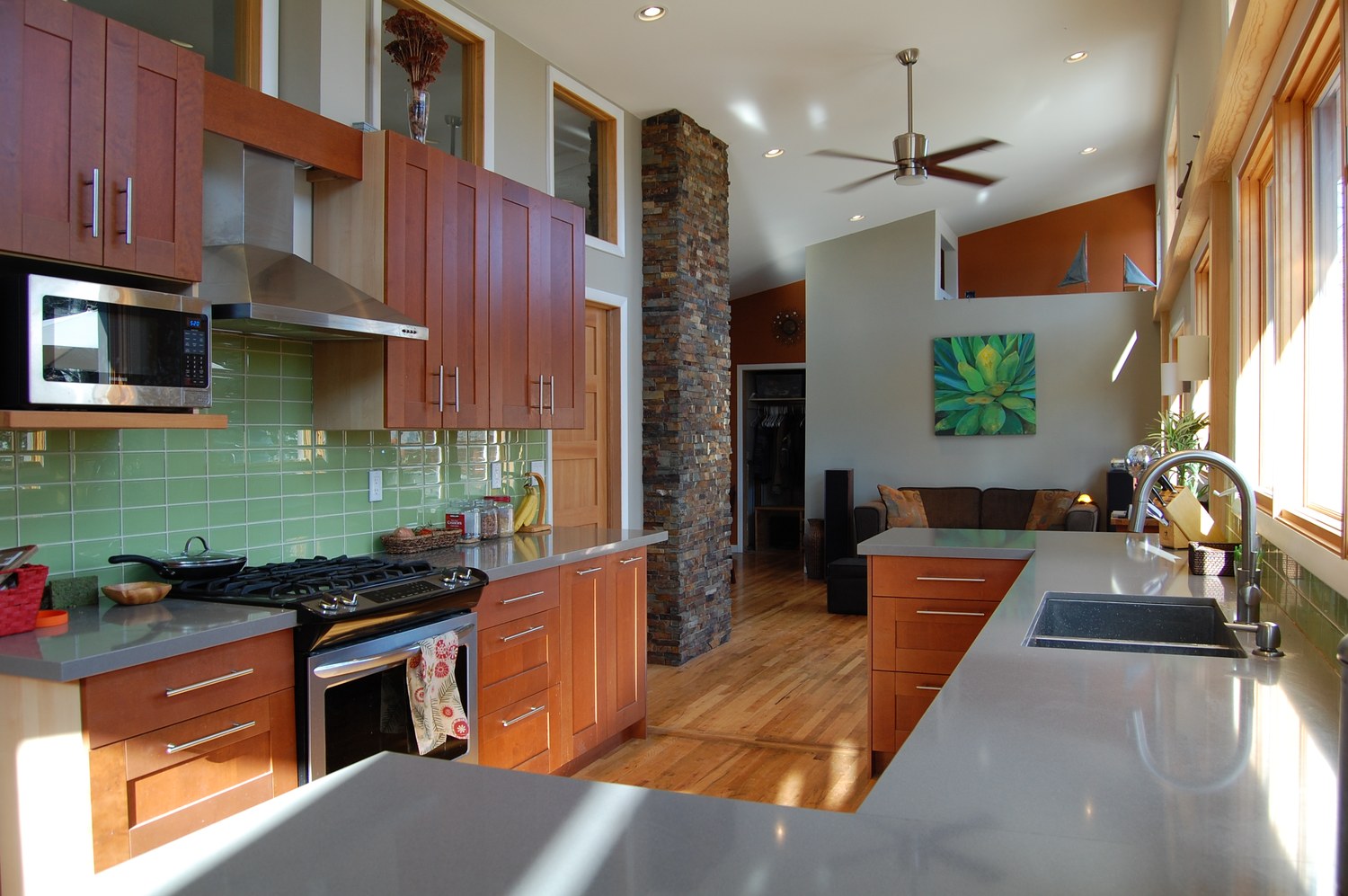
Historically, the kitchen was primarily a utilitarian space, often segregated from the main living areas. Over the past few decades, however, its role has transformed dramatically. Modern kitchens are now widely regarded as the heart of the home, multifunctional spaces where meals are prepared, homework is spread out, deep conversations unfold, and social gatherings naturally converge. This evolution reflects broader societal changes, emphasizing open-plan living and the integration of daily activities. The demand for kitchens that are not only beautiful but also highly functional, adaptable, and inviting has consequently surged. Homeowners are increasingly seeking amenities that support a contemporary lifestyle, from expansive islands that serve as informal dining areas to smart appliances that streamline daily tasks. This elevated status of the kitchen makes it a prime candidate for renovation, influencing buyer decisions and contributing significantly to a home’s overall appeal.
Economic Drivers and the Renovation Imperative
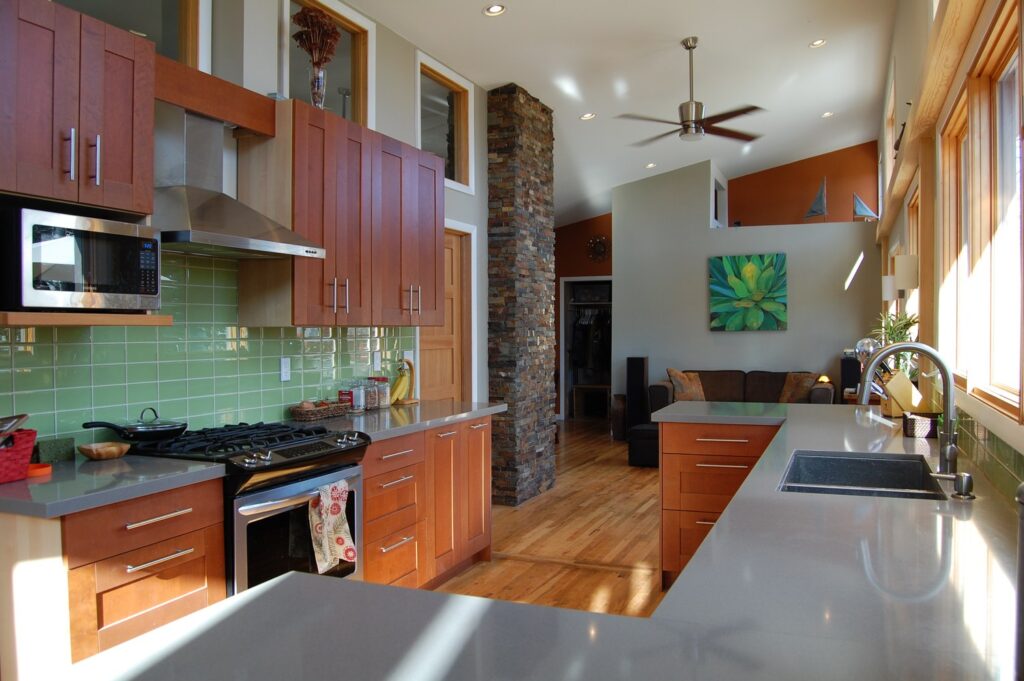
The economic rationale behind investing in kitchen renovations is compelling, particularly in an era characterized by soaring housing costs and a persistent imbalance between supply and demand. According to data from the National Association of Realtors, housing prices have seen consistent upward trends in recent years, making homeownership a substantial financial commitment. In such a market, strategic renovations become a critical tool for homeowners to protect and grow their equity. Kitchen remodels, in particular, consistently rank among the home improvements with the highest return on investment (ROI). Industry reports, such as those by Remodeling Magazine’s Cost vs. Value Report, frequently indicate that a mid-range kitchen remodel can recoup anywhere from 50% to 70% of its cost at resale, while an upscale remodel can still offer a significant, albeit sometimes lower, return.
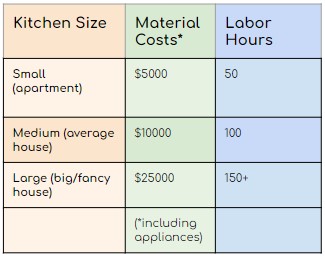
The cost of professional kitchen renovation, however, has also escalated. Quotes ranging from $25,000 to over $75,000 are common for comprehensive projects, with the labor component representing a substantial portion. This premium is partly attributable to a shortage of skilled tradespeople. A significant demographic gap exists in the trades, with fewer young individuals entering professions like plumbing, electrical work, and carpentry, while experienced workers are nearing retirement. This scarcity drives up hourly rates for professionals, often ranging from $100 to $300 per hour. For homeowners willing to undertake a portion or all of the work themselves, this labor premium translates directly into potential savings, effectively allowing them to "pay themselves" for their efforts. Beyond resale value, a modernized kitchen can also command higher rental income for investment properties, offering continuous financial returns. Furthermore, the skills acquired in a kitchen renovation are transferable, enabling homeowners to tackle other complex projects, such as bathroom remodels, which share many underlying structural and infrastructural elements.
Navigating the DIY Landscape: A Step-by-Step Guide for Empowerment

Embarking on a kitchen renovation can be a daunting prospect, but breaking it down into manageable steps demystifies the process and empowers homeowners to tackle various aspects themselves. Insights from seasoned renovators highlight the key areas where informed decisions and hands-on effort yield the greatest dividends in terms of function, cost-efficiency, and long-term satisfaction.
Permit Ponderings: Before any demolition or construction begins, understanding local building codes and permit requirements is paramount. In most jurisdictions, significant alterations involving plumbing or electricity within walls necessitate a permit to ensure safety and compliance. While rules vary widely—some areas are highly stringent, others more lenient—the underlying principle remains consistent: all work should adhere to local building codes and be executed to a professional standard. This not only ensures safety and prevents future issues but also safeguards the homeowner during potential resale inspections.
Strategic Cost Assessment and Sourcing: Financial planning is the bedrock of any successful renovation. Material costs for a kitchen can range significantly based on size and desired finish, from approximately $7,000 for a small, budget-friendly kitchen to over $30,000 for a large, high-end installation, excluding labor. Savvy sourcing is crucial for cost-efficiency. Online retailers like Amazon often offer competitive pricing on items such as sink traps and faucets, sometimes significantly undercutting traditional big-box stores. Furthermore, exploring options like scratch-and-dent appliance sales, architectural salvage yards, and online marketplaces for used materials can yield substantial savings. Patience and vigilance in searching for deals are key to optimizing material expenditure.
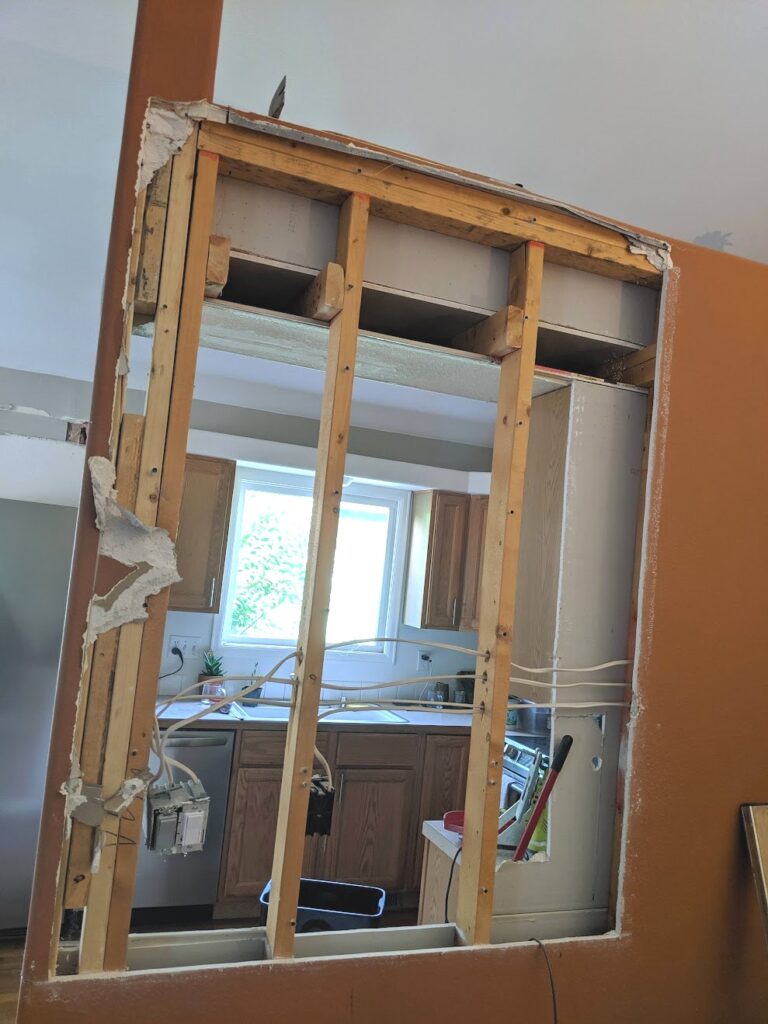
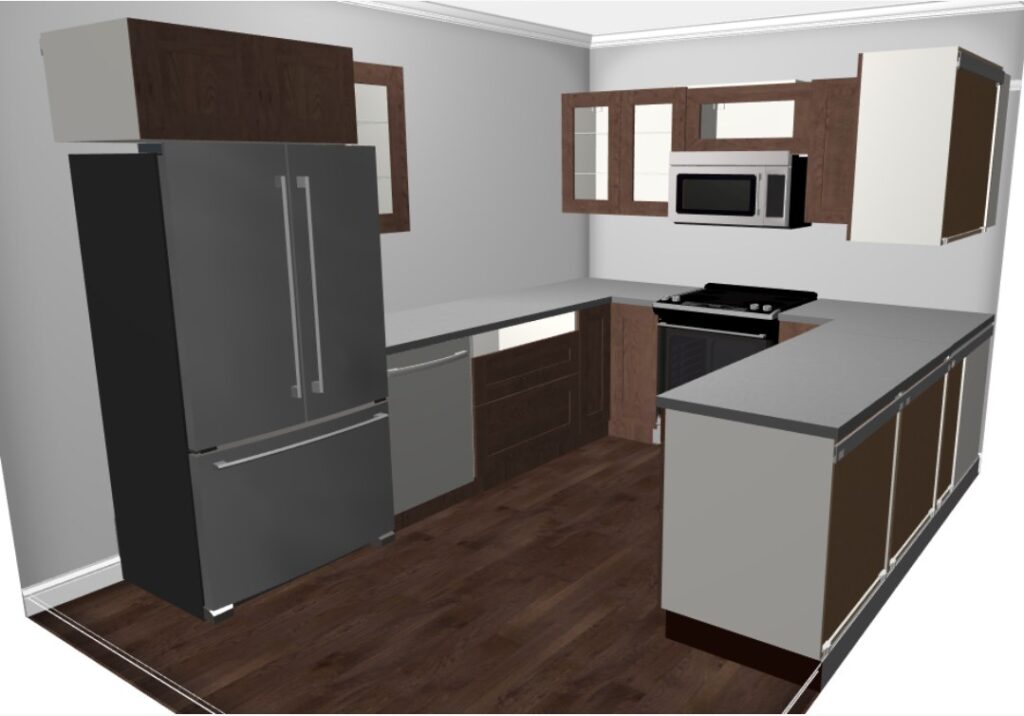
Optimizing Layout: Breaking Down Barriers: Modern kitchen design often prioritizes an open-concept layout, especially in older homes where kitchens were traditionally confined. Removing non-load-bearing walls to create a more expansive, integrated living space is a common and highly impactful renovation step. Identifying load-bearing walls typically involves observing joist direction (perpendicular to the wall usually indicates load-bearing) and checking for supporting columns in the basement or attic. While professional consultation with a structural engineer is always recommended for certainty, understanding these basic indicators can guide initial planning. Tools like the free IKEA Kitchen Planner are invaluable for visualizing new layouts in 3D, allowing homeowners to experiment with cabinet configurations, appliance placement, and overall flow before committing to physical changes. The core principle is to ensure ample space for movement and efficient workflow for the primary users.
Structural Foundations: Walls and Framing: While wall removal is frequent, new wall construction may also be necessary, often to enclose a pantry, create an appliance garage, or define a new spatial boundary. General principles for wall construction involve using standard lumber dimensions (e.g., 2x4s or 2x6s), ensuring studs are plumb and square, and securely fastening them to the floor and ceiling. Proper framing provides the necessary support for cabinets, drywall, and other fixtures.
The Critical Infrastructure: Plumbing and Electrical: These two areas require meticulous attention to safety and code compliance.

- Plumbing: While some remodels retain existing plumbing locations, modern PEX piping offers unprecedented flexibility in relocating sinks, dishwashers, and refrigerator water lines with relative ease. PEX is simpler to install than traditional copper, more resistant to freezing, and cost-effective. Key principles include ensuring proper drainage slope (typically 1/4 inch per foot), adequate venting for all drains to prevent siphoning, and easily accessible shut-off valves. Understanding the basic principles of drain-waste-vent (DWV) systems is crucial for preventing future issues.
- Electrical: Safety is paramount in electrical work; consulting a qualified electrician is always advisable, especially for those uncomfortable with the intricacies. However, learning the National Electrical Code (NEC) can empower homeowners to handle many common tasks. Kitchens require specific electrical considerations: a minimum of two 20-amp circuits for countertop outlets (spaced every four feet and GFCI-protected), and ideally dedicated circuits for high-draw appliances like refrigerators, dishwashers, disposals, and microwaves. Running new circuits from the main panel is a skill that, once mastered, opens up significant DIY potential, often with the option of having a professional handle the final panel hook-up. Other electrical considerations include adequate lighting (task, ambient, and accent), switch placement, dimmers, and integrated smoke/carbon monoxide detectors.
Finishing the Shell: Drywall and Flooring: Once the rough-in plumbing and electrical are complete and inspected, the walls are ready for drywall. Key tips for successful drywall installation include using appropriate tools (T-square, utility knife), starting with the largest sheets possible to minimize seams, and using mesh tape and joint compound for smooth finishes. After priming and a base coat of paint, the flooring can be installed. Engineered wood or Luxury Vinyl Plank (LVP) flooring offers durability, ease of installation, and aesthetic appeal. For high-traffic areas or homes with pets and children, traditional ceramic or porcelain floor tiles remain the gold standard for ultimate durability and water resistance.
Cabinetry: The Heart of Kitchen Storage: Cabinet installation, while exciting, is often less complex than anticipated. Traditional cabinets require careful leveling and shimming to ensure a straight and square installation, anchored securely to wall studs. Systems like IKEA’s proprietary metal rail system simplify this process, allowing cabinets to hang and be adjusted easily before final locking, which is a significant advantage for DIYers. Efficient cabinet layout maximizes storage and accessibility.
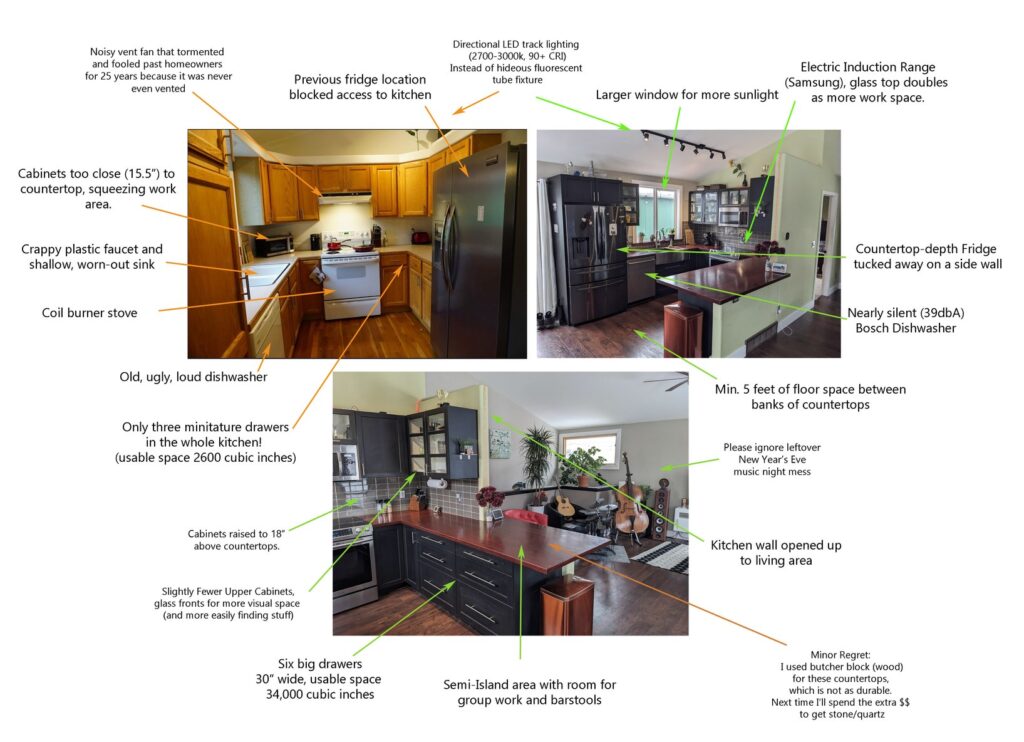
Countertops: Investment in Durability and Aesthetics: Countertops represent a significant investment but offer substantial returns in terms of aesthetics and functionality. Stone countertops—such as quartz or granite—are highly recommended despite their higher cost (typically $60-120 per square foot). They offer superior durability, ease of cleaning, and a timeless look that significantly enhances perceived value. While alternative materials like solid wood or various tiles can be more budget-friendly, many experienced renovators find that the minor daily inconveniences (e.g., scratching wood, grout lines in tile) lead to long-term regret, making the initial investment in stone a more satisfying choice.
Sinks and Faucets: Functional Elegance: In contrast to countertops, sinks and faucets have become surprisingly affordable without compromising on quality or design. Modern, substantial sinks can be found for under $300, and elegant faucets for less than $100 through online retailers. This affordability allows homeowners to select high-quality fixtures that elevate the kitchen’s aesthetic without breaking the bank. Installing a new sink drain system involves connecting the sink strainer to a P-trap, which then connects to the wall drain, ensuring proper sealing and alignment to prevent leaks and optimize under-sink storage.

Appliance Integration: Modernizing with Value: The appliance market has seen a trend of "deflation," where quality and features continue to improve while prices either remain stable or decrease. The used appliance market offers even greater savings, with functional, high-end units often available for a fraction of their retail price. However, caution is advised when purchasing used appliances, especially dishwashers or refrigerators, which can have hidden issues. Thorough testing and buying from trusted sellers are crucial to avoid costly repairs. Ranges and ovens tend to be more robust and safer bets for used purchases. For those in freezing climates, avoiding appliances stored in unheated sheds is critical to prevent damage from frozen water lines.
The Final Touches: Elevating the Aesthetic: The finishing work—backsplashes, paint, lighting, and trim—transforms a functional space into a truly inviting one. A well-executed backsplash, whether a simple subway tile or an intricate pattern, adds visual interest and protects walls from splashes. Thoughtful lighting design, including under-cabinet lighting and task lighting, enhances both ambiance and functionality. Fresh paint breathes new life into the space, and decorative trim provides a polished, custom look. These details, though seemingly minor, contribute significantly to the perceived value and enjoyment of the kitchen.

The Broader Implications: A New Era of Homeownership
The increasing trend of DIY kitchen renovations signifies a broader shift in homeownership, emphasizing self-reliance, skill acquisition, and strategic financial management. It empowers individuals to take direct control over their living environments, fostering a sense of accomplishment and independence. This movement also has broader economic implications, stimulating demand for tools, materials, and educational resources, and potentially influencing the long-term dynamics of the construction labor market. As homeowners become more adept at tackling complex projects, they contribute to a more resilient housing market, where value is actively created and maintained through informed investment and personal effort. The journey of transforming a kitchen is not just about aesthetics; it is about building a better, more functional, and more valuable home, while simultaneously cultivating a rich set of practical skills that extend far beyond the confines of a single renovation project.

