
Mr. Money Mustache, the influential figurehead of the Financial Independence, Retire Early (FIRE) movement, has recently issued a robust defense against public criticisms suggesting his significant wealth has alienated him from the "common person’s plight" and led him to abandon his foundational money-saving principles. In a recent blog post, the financial guru, whose real name is Pete Adeney, asserted that his commitment to a frugal, self-sufficient lifestyle remains unwavering, demonstrating that his daily habits are driven by genuine enjoyment and a cultivated love for efficiency, rather than being solely dictated by financial necessity. This commitment, he argues, consistently yields substantial savings that continue to contribute to his accumulated wealth.
The Enduring Philosophy of Mustachianism
Pete Adeney, known globally by his pseudonym Mr. Money Mustache, launched his blog over a decade ago, becoming a pivotal voice in the nascent FIRE movement. His philosophy, dubbed "Mustachianism," transcends mere budgeting; it advocates for a radical shift in perspective towards consumption, emphasizing efficiency, self-sufficiency, and a profound appreciation for life’s simpler pleasures. At its core, Mustachianism encourages individuals to "cultivate a love of efficiency, creativity, self-awareness, and self-improvement" to enhance overall quality of life while simultaneously reducing monthly expenses. This stands in stark contrast to what Adeney terms "standard financial advice," which often focuses on aggressive spending cuts and sacrifices solely to reach a savings percentage, with the implicit suggestion that once wealth is accumulated, lavish spending becomes a personal choice.
The criticism Adeney addresses—that he has become "rich and fancy" and no longer understands the average person’s struggles—is a common narrative faced by public figures whose financial success originates from advocating frugality. Adeney acknowledges that being misunderstood is "just part of the package" when sharing personal life details online. However, he counters these assertions by inviting critics to observe the authentic lives of himself and his dedicated followers, the "Mustachians," believing such insight would dismantle "conspiracy theories" and affirm the efficacy of his principles. He posits that the core basics of his lifestyle have not changed, even as his net worth has grown consistently over the past twelve years, mirroring the financial success many of his readers have also achieved by adopting similar practices.
A Decade of Consistent Growth and Habits
The longevity of the Mr. Money Mustache blog, now spanning more than ten years, provides a chronological backdrop to Adeney’s consistent message. His journey from an early retiree to a millionaire, and the subsequent growth of his platform, has coincided with the broader mainstreaming of the FIRE movement. Throughout this period, Adeney has maintained that his enjoyment of life was robust before significant wealth accumulation, and therefore, the need to drastically alter his spending habits after achieving financial independence has simply not arisen. This continuity is a cornerstone of his argument against claims of hypocrisy.
To quantify the long-term impact of seemingly small financial decisions, Adeney frequently employs a useful heuristic: the "rule of 172." This rule estimates how much a consistent monthly expense would compound into over ten years if that money were instead invested at a typical market return rate (often assumed around 7-8% annually). For instance, multiplying a monthly saving by 172 provides a rough estimate of the future value of that stream of invested capital over a decade. This emphasis on long-term perspective and the power of compound interest is central to Mustachian philosophy, encouraging readers to think in terms of decades rather than months or years.
Practical Frugality: Six Pillars of Sustained Savings
Adeney illustrates his continued adherence to Mustachian principles through six specific examples from his current life, activities he enjoys that also happen to yield substantial financial benefits. These examples serve as a practical demonstration that frugality, when embraced as a lifestyle, is not about deprivation but about optimizing happiness and efficiency.
1. Self-Sufficiency in Home Maintenance and Improvement
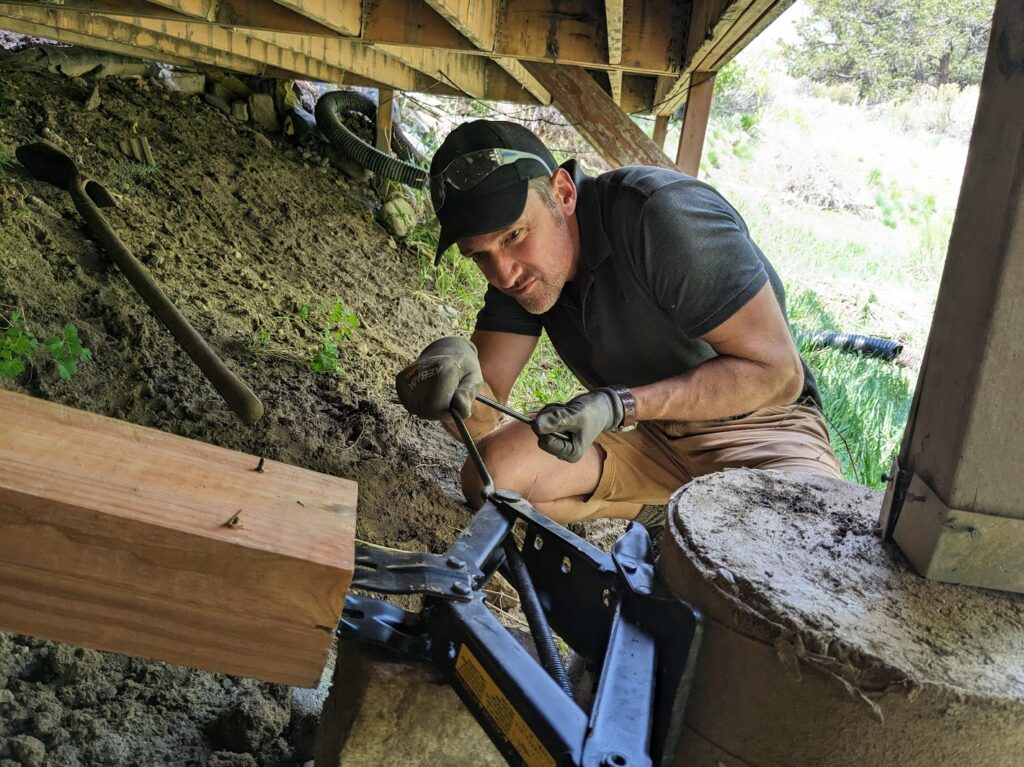
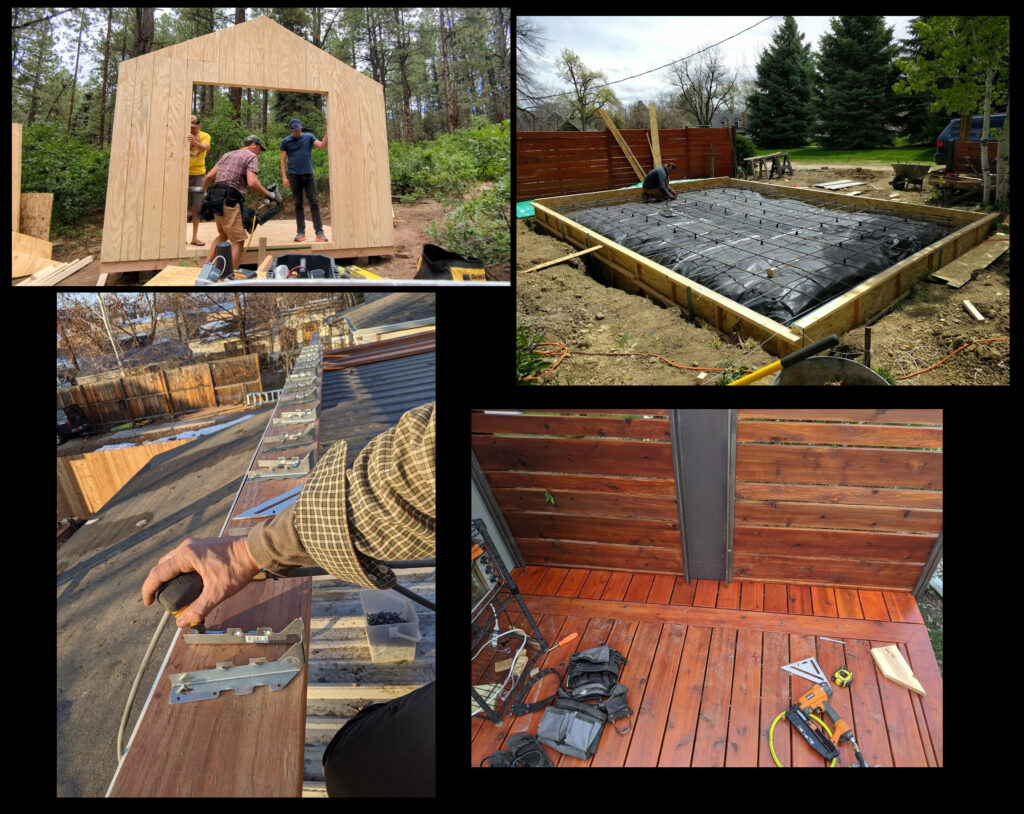
A foundational tenet of Mustachianism is self-reliance, encapsulated by Adeney’s mantra: "Become a Producer of the Things You Most Enjoy Consuming." He applies this passionately to home ownership, deriving pleasure from redesigning, fixing, and maintaining properties, not only his own but also those of friends. This active engagement in home improvement empowers individuals, reduces dependence on costly contractors, and fosters valuable practical skills. According to industry reports, the average U.S. homeowner spends approximately $1,500 to $5,000 annually on routine maintenance and repairs, with larger renovation projects incurring significantly higher costs. By performing most of these tasks himself and teaching others, Adeney estimates an average saving of $20,000 per year, which, using the "rule of 172," translates to a staggering $287,000 per decade in wealth accumulation. This practice not only saves money but also builds a profound sense of accomplishment and competence.
2. Community-Driven Resourcefulness and Secondhand Markets
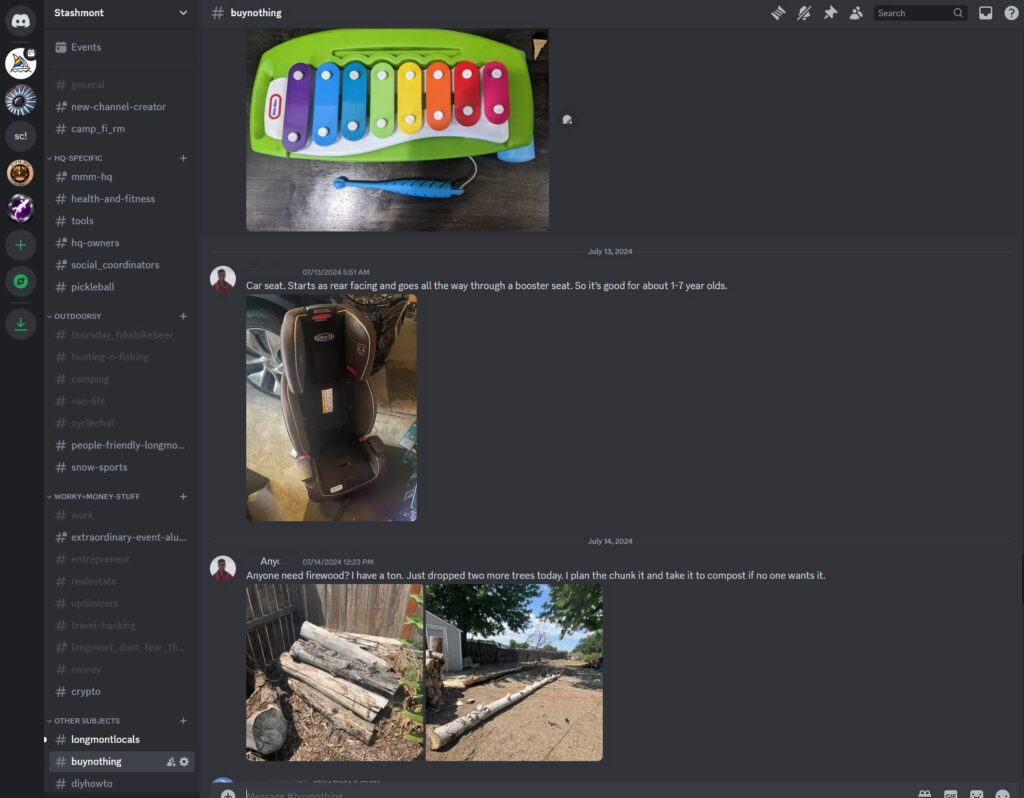
While the convenience of immediate, new purchases is undeniable, Adeney highlights the superior value of acquiring high-quality items through sharing, repurposing, and buying secondhand. Platforms like Craigslist, Facebook Marketplace, and local "Buy Nothing" groups foster community engagement while offering substantial savings. Within the MMM-HQ community, a private Discord server facilitates continuous exchange, from DIY advice to the free gifting and selling of goods, exemplifying this principle. Beyond the financial benefits, this approach promotes sustainability and strengthens local social networks. By consistently utilizing these resources, Adeney estimates an annual saving (and earning) of a few thousand dollars, compounding to approximately $42,000 per decade. This practice not only keeps valuable items out of landfills but also builds stronger community ties through mutual aid and exchange.
3. Prioritizing Active Transportation: Bikes Over Cars
One of Mr. Money Mustache’s most iconic and enduring contributions to personal finance discourse is his unwavering advocacy for bicycle transportation. As detailed in his seminal article "The True Cost of Commuting," cars represent a significant drain on personal finances, costing at least 50 cents per mile when accounting for depreciation, insurance, fuel, maintenance, and parking. This figure is supported by data from organizations like AAA, which consistently reports annual car ownership costs ranging from several thousands to over $10,000 depending on vehicle type and mileage. Bikes, conversely, incur minimal costs. Despite his current "rich" status, Adeney continues to use bikes or walking for "at least 95%" of his local trips, covering approximately 2,000 miles annually. This habit alone contributes an estimated $14,000 per decade in savings. Beyond the direct financial gains, active transportation offers invaluable health benefits, reducing healthcare costs and enhancing mental well-being, which leads to the next point.
4. Embracing Physical Activity: Muscle Over Motor
Adeney champions a lifestyle where physical exertion is embraced over mechanical assistance whenever possible. This "Muscle over Motor" philosophy means opting for stairs instead of elevators, walking or running a golf course instead of using a cart, and performing manual labor like moving furniture or shoveling snow. This conscious choice is framed not as a chore, but as an opportunity for "more health and fitness." The financial benefits, while harder to quantify precisely, are substantial. The average U.S. healthcare spending per person is approximately $13,000 per year, a figure that continues to rise. By maintaining robust physical health through consistent activity, Adeney posits that he has incurred "just about zero" lifetime costs due to illness or medication, while also benefiting from increased energy and productivity. Conservatively estimating these combined savings and benefits at $10,000 per year, this translates to an impressive $140,000 per decade. This highlights the long-term compounding benefits of preventative health and an active lifestyle.
5. Optimizing Home Energy Consumption: The Glamping Retreat
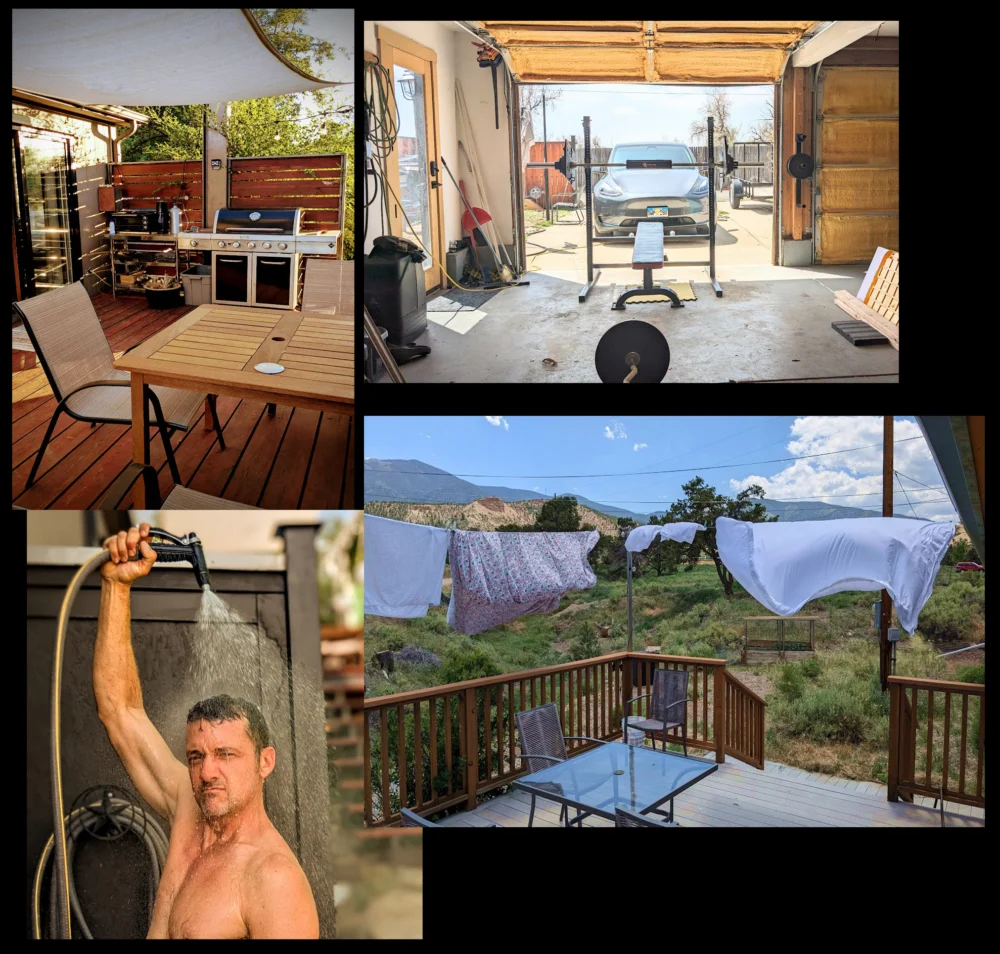
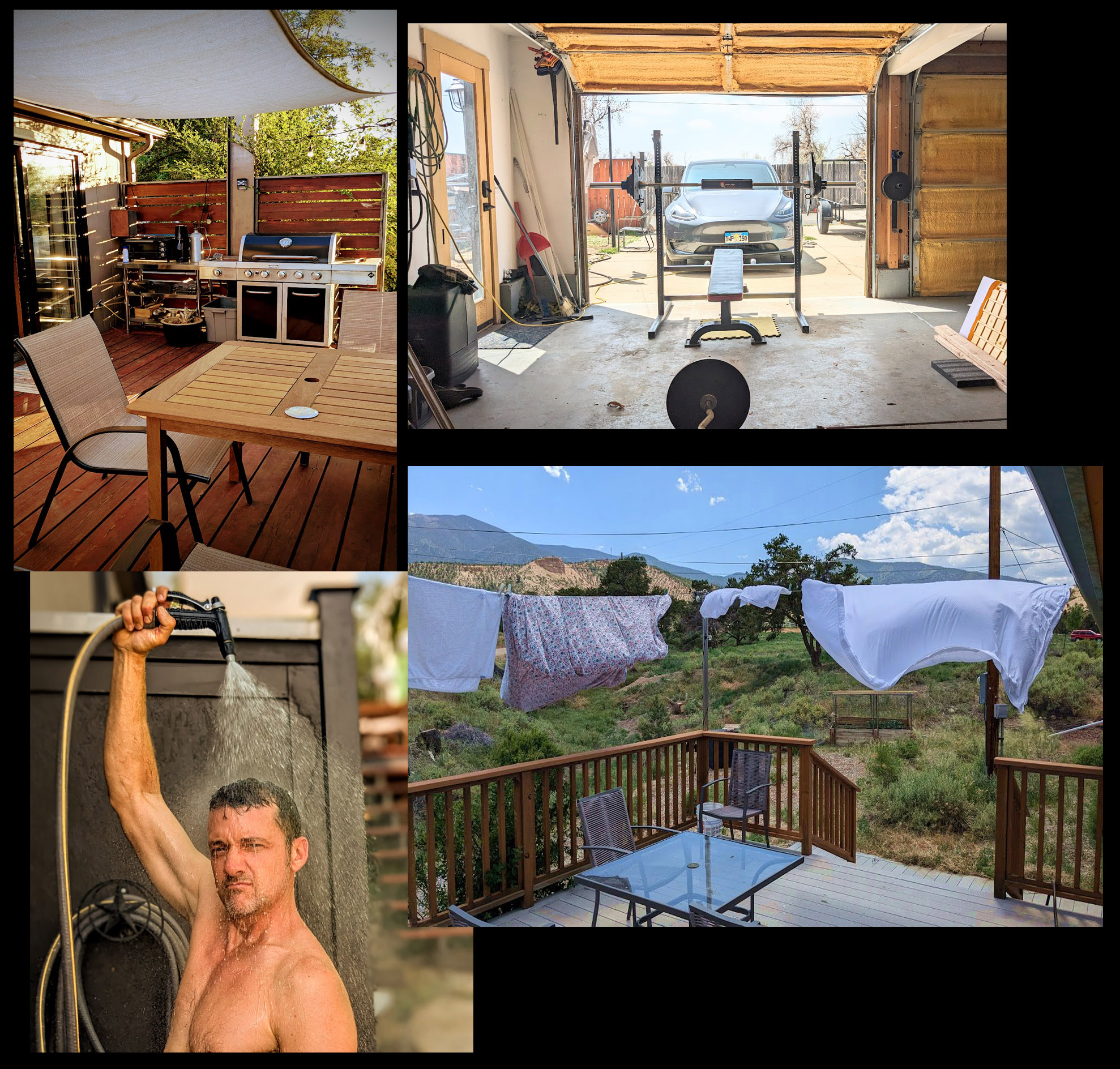
Adeney describes his home as "MMM’s Energy Efficiency Playground," where his "weird combination of an engineer, a carpenter, an artsy hippie, and a mad scientist" persona finds joy in continuous experimentation and improvement. This includes significant structural modifications like installing passive solar windows and smaller daily habits like line-drying laundry, utilizing outdoor showers in warm weather, and practicing "strategic layering" for warmth. These practices dramatically reduce reliance on conventional heating, cooling, and electrical systems. While the average combined gas and electric bill in his area is around $250 per month, Adeney’s usage is approximately $75. This difference results in an estimated saving of $30,000 per decade. For Adeney, the enjoyment derived from living in harmony with seasons and optimizing his living space makes this "work" a significant "win," illustrating how frugal habits can be deeply satisfying rather than burdensome.

6. Valuing Local Living Over Constant Travel
In an era often characterized by an insatiable desire for travel, Adeney advocates for a balanced approach, emphasizing the profound value of "local living." He observes that many friends express a wish to spend more precious summer weeks at home, often trapped by pre-booked travel plans. By consciously choosing to say "no thanks" to excessive travel and "yes please" to staying home, individuals can unlock numerous benefits: reduced stress, stronger local friendships, enhanced community engagement, a deeper appreciation for one’s immediate surroundings, and, crucially, significant financial savings. Even replacing just two weeks of family travel annually with equivalent time at home can yield an estimated $5,000 per year in direct costs saved (e.g., flights, accommodation, dining out) and a further $5,000 per year in incidental benefits such as improved health and local connections. This conservative estimate results in a striking $143,000 per decade in wealth increase. While acknowledging travel’s role in broadening life experiences, Adeney stresses the importance of discernment, prioritizing enriching trips while recognizing the substantial value of home life.
Broader Implications and the Mustachian Impact
Collectively, these six habits, rooted in enjoyment and efficiency, contribute to a staggering estimated wealth increase of $656,000 every decade. To put this into perspective, this figure alone more than doubles the median wealth that many American seniors possess as they navigate retirement after over 40 years in the workforce. Adeney highlights that for him, over $656,000 of his most recent wealth increases are directly attributable to these simple, consistent habits—the very same principles he has advocated for over a decade.

The Mr. Money Mustache blog and the broader FIRE movement it helped catalyze have fundamentally shifted conversations around personal finance. They challenge the conventional wisdom that financial independence requires extreme sacrifice or immense income. Instead, they champion the idea that "tweaking your lifestyle to be slightly less ridiculous and more efficient than average is usually all it takes." This accessible approach, combined with a focus on finding joy in resourcefulness, resonates deeply with a growing demographic seeking greater control over their financial lives.
The phenomenon of "frugality-just-for-fun," as Adeney terms it, suggests that humans, in their natural state, are curious and problem-solving creatures who can derive immense satisfaction from optimizing their lives. This perspective reframes money-saving not as a burden, but as an engaging challenge that enhances overall well-being. As resources like the "MMM Boot Camp" continue to guide new adherents, the enduring relevance of Mustachianism lies in its holistic approach: a lifestyle that demonstrably fosters financial prosperity, personal well-being, and community strength, irrespective of one’s starting wealth.

