

The humble bullet journal, often seen as a creative outlet for artistic expression, is also a powerful tool for pragmatic task management and significant productivity gains. At its core, the bullet journal system, developed by Ryder Carroll, is designed for intentionality—a philosophy that extends directly to how one approaches their daily responsibilities. While many users experiment with elaborate spreads and artistic layouts, the fundamental building block for many, and arguably the most effective for boosting output, is the to-do list. This versatile format allows for granular organization, enabling individuals to categorize, prioritize, and visualize their workload with remarkable clarity. The adaptable nature of bullet journal to-do lists means they can be tailored to any preference, from highly structured, time-blocked schedules to more fluid, free-form task capture. Exploring creative integrations of to-do lists into a bullet journal can transform it from a mere notebook into a dynamic productivity engine, fostering a sense of accomplishment and control over one’s responsibilities.
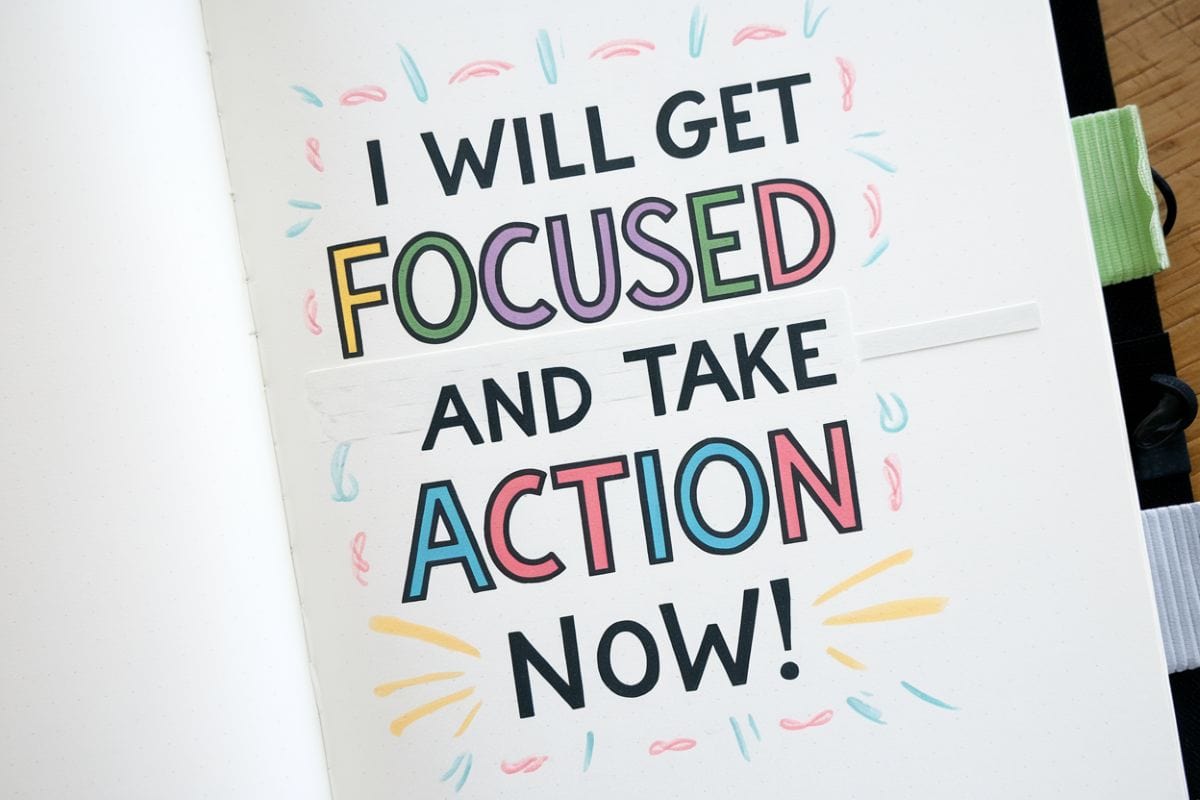
The efficacy of the to-do list as a productivity tool is well-documented. Studies in behavioral psychology suggest that the act of writing down tasks can increase commitment and reduce the cognitive load associated with remembering them. Furthermore, the tangible act of checking off completed items provides a psychological reward, reinforcing positive habits and encouraging forward momentum. In the context of bullet journaling, this principle is amplified by the visual nature of the system and the personal investment users make in their journals.
The Foundational To-Do List: Simplicity and Effectiveness
The most straightforward approach to integrating task management into a bullet journal is through a simple to-do list. This format is universally accessible and highly effective, regardless of whether one prefers a minimalist aesthetic or a more detailed, structured layout. The core concept involves listing tasks sequentially, often with designated checkboxes or symbols to mark progress. This method directly addresses the primary goal of task management: to provide a clear overview of what needs to be done, thereby reducing mental clutter and the anxiety associated with a daunting workload.

A simple to-do list can be implemented on a daily, weekly, or monthly basis. For daily tasks, it serves as a focused agenda, helping individuals tackle their most pressing responsibilities. Weekly lists offer a broader perspective, allowing for the planning of larger objectives and the distribution of tasks over several days. Monthly overviews are ideal for strategic planning, identifying long-term goals, and scheduling recurring events or projects. The key benefit of this foundational spread lies in its inherent simplicity and directness. It cuts through the complexity of task management, offering a clear path forward.
The Power of Color: Enhanced Prioritization Through Color-Coding
To elevate the basic to-do list, the strategic use of color-coding introduces a powerful visual dimension. By assigning specific colors to different categories of tasks—such as work, personal errands, urgent matters, or self-care activities—users can instantly gauge the nature and priority of their responsibilities. This method transforms a monochrome list into an intuitive, at-a-glance organizational system. For instance, a common practice is to use red for urgent or high-priority items, yellow for essential but less time-sensitive tasks, and blue for optional or "nice-to-do" items.

The psychological impact of color is significant. It can influence mood, perception, and cognitive processing. In the context of a to-do list, color-coding not only makes the list more visually appealing but also aids in rapid decision-making. When faced with a long list of tasks, a quick scan of colors can help an individual immediately identify what requires their attention first, thereby streamlining the prioritization process and preventing tasks from falling through the cracks. This approach is particularly beneficial for individuals juggling multiple roles or responsibilities, providing a clear visual hierarchy that supports efficient time allocation.
Strategic Prioritization: The "Must Do," "Should Do," and "If I Have Time" Framework
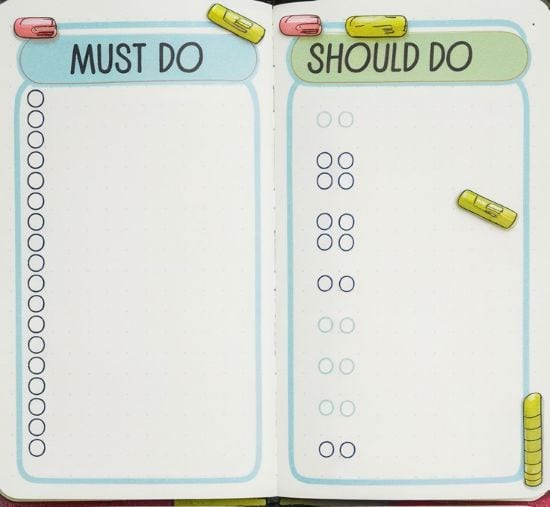
A common challenge in task management is effectively prioritizing what truly matters. The "Must Do – Should Do – If I Have Time" framework offers a robust solution for this. This tiered system categorizes tasks based on their urgency and importance, guiding users to focus their energy on the most critical items first.

- Must Do: These are tasks that are non-negotiable, critical for success, or have immediate deadlines. Completing these is paramount.
- Should Do: These are important tasks that contribute to larger goals but may have slightly more flexibility in their completion time. They are high on the priority list but not as critical as the "Must Do" items.
- If I Have Time: This category includes tasks that are beneficial but not essential. They can be addressed when all higher-priority items are completed, or when there is unexpected free time.
This method is particularly effective for preventing overwhelm. By clearly demarcating tasks into these categories, individuals can gain a realistic perspective on their daily capacity and avoid the frustration of setting unattainable goals. The "Must Do" section acts as a core agenda, ensuring that essential responsibilities are met, while the other categories provide a roadmap for additional productivity without compromising the core objectives.
Variations on Prioritization: "Must Do – Should Do"
For those who prefer a more streamlined approach, the "Must Do – Should Do" format offers a simplified yet still effective prioritization system. By focusing on just two tiers, individuals can reduce complexity further while still maintaining a clear distinction between essential and important tasks. This can be particularly useful for individuals who find the three-tiered system too granular or who are seeking to build momentum on a core set of responsibilities.

Daily Focus: The Power of the "Top 3" Method
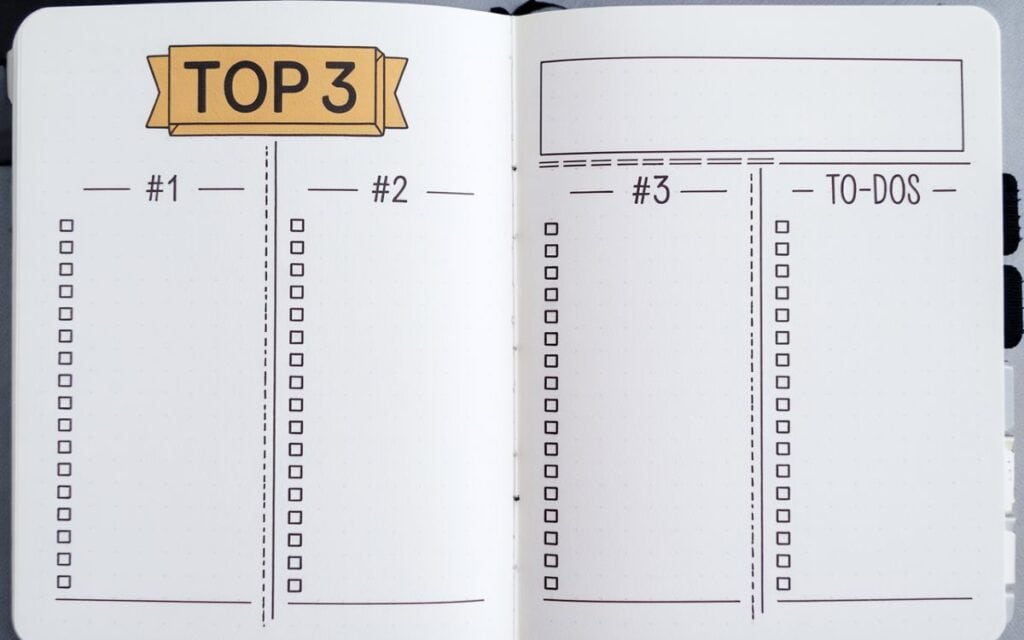
The "Daily Top 3" method is a highly effective strategy for maintaining focus and achieving tangible progress each day. This approach encourages users to identify the three most important tasks they aim to accomplish within a given day. By limiting the number of primary objectives, individuals can avoid the feeling of being overwhelmed by an endless to-do list. This focused approach ensures that energy and attention are directed towards tasks that will yield the most significant results or contribute most directly to larger goals.
The "Top 3" can be implemented as a standalone section on a daily spread or integrated into a broader daily planner. The act of selecting these three tasks often involves a conscious prioritization process, forcing users to reflect on what is truly essential for that day. Successfully completing these three tasks provides a powerful sense of accomplishment, fostering motivation and encouraging consistent engagement with productive habits. This method is particularly valuable in fast-paced environments or for individuals who tend to overcommit, providing a structured way to ensure critical progress is made daily.
Adapting to Timeframes: Daily, Weekly, and Monthly Spreads
The bullet journal’s flexibility shines when it comes to adapting to different planning horizons. To-do lists can be effectively designed for daily, weekly, or monthly planning, catering to diverse organizational needs.
Daily Spread: Immediate Action and Task Tracking
A daily to-do list spread is the most immediate form of task management. It serves as a minute-by-minute or hour-by-hour guide, detailing the tasks to be completed within a 24-hour period. This spread is ideal for capturing time-sensitive tasks, appointments, and immediate action items. The visual representation of a day’s responsibilities allows for efficient time blocking and helps in identifying potential conflicts or periods of high workload. The satisfaction of ticking off items throughout the day provides constant positive reinforcement.
Weekly Spread: Mid-Term Planning and Overview
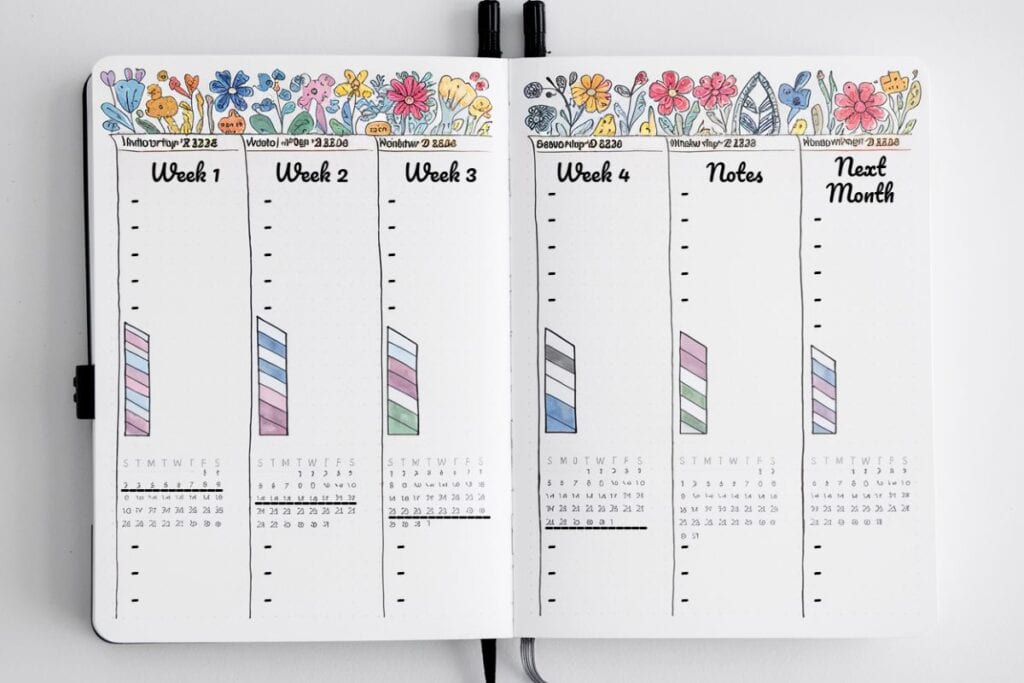
Weekly spreads offer a broader perspective, allowing for the planning and tracking of tasks over a seven-day period. This format is excellent for distributing larger tasks, scheduling recurring weekly activities, and gaining an overview of upcoming commitments. A weekly to-do list can be structured to allocate specific tasks to particular days, ensuring a balanced workload and preventing tasks from being overlooked. It bridges the gap between the immediate focus of daily planning and the long-term vision of monthly planning, providing a crucial layer of organizational coherence.
Monthly Spread: Strategic Vision and Goal Alignment
Monthly spreads are designed for long-term planning and strategic oversight. A monthly to-do list allows users to map out major projects, identify key deadlines, and schedule significant events for the entire month. This format is invaluable for setting overarching goals and ensuring that daily and weekly tasks align with these broader objectives. By visualizing the month ahead, individuals can proactively manage their time, anticipate challenges, and allocate resources effectively. The monthly spread serves as a roadmap, guiding consistent progress towards larger, more ambitious aspirations.

Routine and Recurring Tasks: Building Consistency
Maintaining consistency with routine tasks is crucial for both personal well-being and professional efficiency. Bullet journal spreads dedicated to routine tasks help ensure that essential recurring activities are not forgotten amidst the demands of daily life.
Time-Based Task Management
For individuals who manage their tasks based on available time slots, a time-based task list is highly beneficial. This approach involves listing tasks and associating them with specific time blocks or periods of the day (e.g., morning, afternoon, evening). This method is particularly effective for those who work in shifts, have variable schedules, or need to maximize productivity during limited free periods. It allows for a flexible yet structured approach to task completion, ensuring that tasks are addressed when time permits.
Weekly Recurring Tasks
A dedicated spread for weekly recurring tasks simplifies the management of repetitive chores and responsibilities. By listing these tasks once and creating columns for each week, users can efficiently track their completion over time. This visual tracker reinforces accountability and helps establish consistent habits. Examples include weekly grocery shopping, cleaning routines, or specific work-related check-ins. This structured approach minimizes the mental effort required to remember and execute these essential tasks.
Weekly Rotating Tasks
When tasks vary from week to week, a flexible rotating task spread is ideal. This format allows for the dynamic entry of tasks as they arise, providing a clear space to track completion over a month or a series of weeks. This adaptability is crucial for individuals whose responsibilities shift frequently, ensuring that even variable tasks are captured and managed effectively.
Project Management: Breaking Down Large Goals
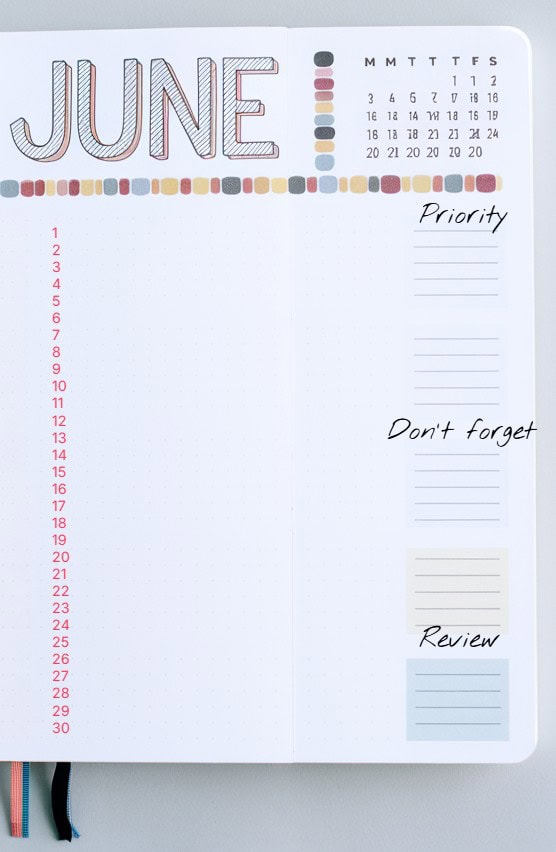
Long-term projects can often feel overwhelming, making them susceptible to procrastination or incomplete execution. A bullet journal project planner to-do list is an indispensable tool for dissecting large undertakings into manageable steps. By breaking down projects into smaller, achievable milestones, individuals can maintain momentum and track progress effectively.
This can involve creating separate pages for each project, listing key objectives, deadlines, and associated tasks. Prioritization can be applied within the project context, focusing on critical path items or sequential dependencies. Whether it’s a major work assignment, a personal development goal, or a creative endeavor, a structured project to-do list transforms an intimidating objective into a series of actionable steps, fostering a sense of progress and accomplishment along the way.

Conclusion: The Bullet Journal as a Productivity Ecosystem
Ultimately, the bullet journal’s power lies in its adaptability. To-do lists, in their myriad forms, are not merely organizational tools but integral components of a personalized productivity system. They provide clarity, reduce cognitive load, and foster a sense of control over one’s responsibilities. By experimenting with different layouts—from simple, unadorned lists to elaborate, color-coded systems or project-specific planners—individuals can discover the approach that best aligns with their unique workflow and preferences. The most effective bullet journal pages are not necessarily the most aesthetically pleasing, but rather those that actively contribute to organization, facilitate action, and ultimately help users achieve their goals. Embracing the flexibility of bullet journaling allows for continuous refinement, ensuring that the system evolves alongside the user’s needs and aspirations, making it a truly dynamic partner in productivity.

