
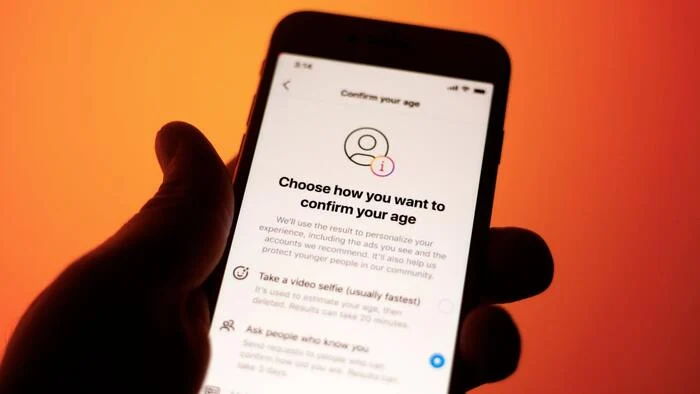
Washington is currently grappling with a legislative proposal, the App Store Accountability Act (House Bill 3149, introduced in the 119th Congress), championed by a bipartisan group of lawmakers who assert its necessity for online child protection. However, critics from across the technology, cybersecurity, and legal sectors warn that the bill, despite its benevolent framing, poses significant threats to user privacy, cybersecurity, and fundamental constitutional rights, potentially creating a vast digital identity "honeypot" and inviting protracted legal battles. This legislation arrives amidst a broader national conversation about safeguarding minors online, yet its specific approach has ignited a firestorm of controversy, raising questions about congressional understanding of digital ecosystems and adherence to established legal precedents.
The Proposed Legislation: Goals and Mechanisms
At its core, the App Store Accountability Act mandates that all app stores implement robust age verification systems for every user attempting to download any application. Furthermore, it requires these stores to share the verified age information with app developers. Proponents, including Representatives John James (R-MI), Gus Bilirakis (R-FL), and Erin Houchin (R-IN), argue that this mechanism is crucial for shielding children from age-inappropriate content, preventing online exploitation, and ensuring a safer digital environment for younger users. They envision a tiered system where access to certain applications or features could be restricted based on verified age, aligning with a societal desire to protect vulnerable populations in the digital realm. The bill proposes a granular age verification structure, requiring differentiation across four distinct brackets: users under 13, those aged 13 to 15, individuals 16 to 17, and adults. This tiered approach, while seemingly comprehensive in its intent, is a key point of contention for its practical and privacy implications.
The bill’s sponsors emphasize the growing parental concern over children’s online exposure. Data from recent surveys consistently indicates that parents are increasingly worried about their children encountering harmful content, experiencing cyberbullying, or being targeted by predators online. For instance, a 2023 Pew Research Center study found that over 70% of parents with children under 18 expressed concern about their children’s exposure to explicit content or misinformation online. Lawmakers supporting the Act believe that a universal age verification system at the app store level offers a critical, foundational layer of protection against these pervasive threats, aiming to prevent minors from accessing potentially dangerous platforms or content before they even download an app. They argue that self-regulation by tech companies has proven insufficient and that legislative action is necessary to enforce a baseline standard of child safety.
Privacy Catastrophe: The Digital Identity "Honeypot"
Despite the stated noble intentions, the App Store Accountability Act is being widely criticized as a privacy nightmare in the making. The requirement for app stores to verify the age of every user, regardless of the app’s nature – from a simple weather utility or calculator to banking and news applications – necessitates an unprecedented collection of sensitive personal data. This would compel major app distribution platforms to amass vast quantities of identity information on potentially hundreds of millions of Americans. This data would then not only be stored by the app stores but also distributed to countless third-party app developers, creating what security experts have ominously termed "one of the largest digital identity honeypots ever conceived."
The implications of such a system are profound. Every piece of sensitive data collected – whether it be government IDs, credit card information (often used for age verification), or even biometric data in future iterations – becomes a potential target for malicious actors. The larger the centralized repository of sensitive information, the more attractive it becomes to cybercriminals. A single successful breach of an app store’s age verification database could expose the identities and age details of a significant portion of the online population, leading to widespread identity theft, fraud, and other cybercrimes.
This concern is not mere speculation. In February 2026, a coalition of 419 cybersecurity and privacy academics from 30 countries issued a stark open letter warning against large-scale age verification systems, labeling them "dangerous and socially unacceptable." Their collective expertise underscores the inherent vulnerabilities of such systems. They argue that by requiring age verification for every app download, the bill effectively multiplies the "attack surface" for hackers. Instead of sensitive data being confined to a few regulated entities, it would be stored, transmitted, and accessed across thousands of app developers and services, each with varying levels of security infrastructure and protocols. This decentralized proliferation of highly sensitive identity data dramatically increases the risk of data breaches, making it a "dream target" for cybercriminals globally. The academic letter further detailed how such systems could be exploited through phishing, malware, or direct attacks on vulnerable databases, compromising not just age data but potentially entire digital identities.
Constitutional Quandaries: First Amendment Challenges
Beyond the cybersecurity risks, the App Store Accountability Act faces significant legal hurdles, particularly concerning its potential violation of the First Amendment’s guarantee of free speech. Critics point to recent federal court rulings that have already signaled the unconstitutionality of similar regulatory models. Just months prior to the current debate in Congress, a federal judge blocked a nearly identical Texas law requiring age verification for certain online content, ruling it "exceedingly overbroad" and failing to meet strict constitutional scrutiny.
The Texas ruling, which directly informs the current federal debate, drew a compelling analogy: it likened the age verification requirement to a government mandate forcing bookstores to check the ID of every customer before allowing them inside. The judge unequivocally stated that such a system would unduly restrict minors from participating in the "democratic exchange of views online," thereby infringing upon their First Amendment rights. The court emphasized that while there is a legitimate government interest in protecting minors, any legislative solution must be narrowly tailored and cannot broadly suppress speech or access to information for all users. The App Store Accountability Act, by requiring age verification for all apps, including those providing news, educational content, or general information, appears to fall squarely into the category of "exceedingly overbroad" legislation that failed in Texas.
Legal scholars argue that the bill creates an unconstitutional prior restraint on speech by imposing an age barrier to accessing a vast array of digital content and services, many of which are not inherently harmful to minors. The practical effect would be to limit minors’ access to educational resources, civic information, and platforms for self-expression, thereby curtailing their ability to engage with the modern public square. Furthermore, forcing individuals to surrender identifying information simply to access protected speech raises significant constitutional questions about privacy and anonymity in expression. The federal government’s attempt to legislate this on a national scale, despite clear judicial precedent at the state level, sets the stage for inevitable and costly constitutional litigation that is likely to result in the law being struck down.
Practical Impediments and Socioeconomic Disparities
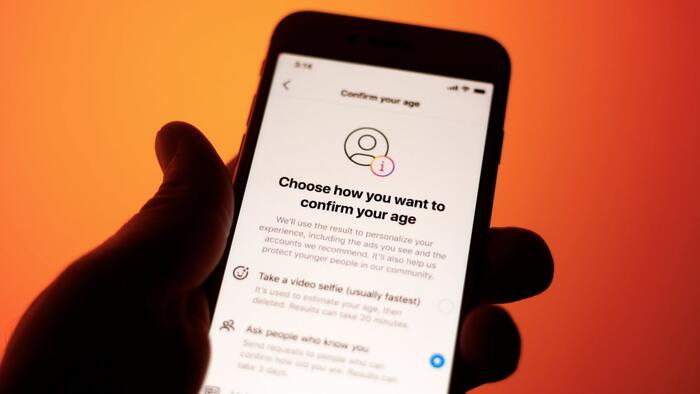
The practical implications of the App Store Accountability Act extend beyond legal and cybersecurity concerns, posing significant operational challenges for app stores and developers, and creating potential socioeconomic barriers for users. The bill’s requirement for age verification across four distinct age brackets (under 13, 13-15, 16-17, and adults) introduces a complex bureaucratic layer. This granular differentiation means that app stores would face immense liability if they incorrectly categorize a user’s age, even by a single year. To mitigate this risk and avoid federal penalties, companies would be compelled to demand "hard identification" – such as driver’s licenses, credit cards, or even birth certificates to prove parental relationships for younger children – a far more intrusive process than simple self-attestation.
This stringent verification process disproportionately impacts specific demographics. More than 45 million Americans are categorized as "credit unserved or underserved," meaning they lack the credit history or traditional financial instruments often used for digital age verification. For these individuals, the bill could effectively force them to present government-issued IDs simply to download basic, everyday applications, creating an undue burden and potentially excluding them from participating fully in the digital economy. This digital divide would exacerbate existing inequalities, limiting access to essential services like banking apps, school communication platforms, or even public health information for a significant portion of the population.
Moreover, the bill’s approach overlooks the fundamental reality of the modern app ecosystem. Most apps are not social media platforms or content-sharing sites typically associated with child safety concerns. They are mundane but essential tools: banking applications, airline ticketing services, educational apps, fitness trackers, weather alerts, home security dashboards, and productivity tools. The App Store Accountability Act would subject all of these to the same rigorous age verification requirements, creating immense friction for users and imposing significant compliance costs on developers, many of whom are small businesses without the resources to implement complex identity verification infrastructures. This could stifle innovation and limit the availability of niche or independently developed applications.
Alternative Pathways to Online Child Safety
Ironically, the App Store Accountability Act’s top-down, age-verification-centric approach may not even align with the preferences of the very parents it aims to serve. Surveys indicate that parents overwhelmingly prefer tools that protect children while they use apps, rather than a one-time age verification at the app store level. This suggests a desire for dynamic, context-aware protections, such as enhanced parental controls, content filtering, and usage monitoring features that empower parents to tailor their children’s online experience.
Critics argue that the bill creates a massive, privacy-eroding bureaucracy that ultimately fails to address the nuanced challenges of online child safety. Instead, it distracts from more effective and less intrusive solutions. These include:
- Digital Literacy Education: Investing in comprehensive digital literacy programs for children, parents, and educators to equip them with the skills to navigate the internet safely, identify misinformation, understand privacy settings, and recognize online risks.
- Stronger Parental Control Tools: Developing and promoting advanced, user-friendly parental control tools that allow parents to manage screen time, filter inappropriate content, monitor app usage, and set privacy preferences across devices and platforms.
- Targeted Enforcement Against Malicious Actors: Focusing law enforcement efforts and regulatory action on platforms and individuals who knowingly facilitate child exploitation, cyberbullying, or the spread of harmful content. This includes prosecuting predators and holding platforms accountable for demonstrable negligence in protecting minors.
- Privacy-by-Design Principles: Encouraging and mandating that app developers and platforms incorporate privacy-by-design principles from the outset, minimizing data collection, offering clear consent mechanisms, and providing robust data security.
- Age-Appropriate Design Codes: Implementing industry standards or regulatory frameworks for age-appropriate design, ensuring that online services likely to be accessed by children are designed with their best interests in mind, including default high privacy settings and mechanisms to mitigate addictive features.
These alternative strategies focus on addressing harmful behavior and empowering users, rather than imposing a blanket surveillance system that burdens all users and creates new vulnerabilities. They offer a more proportionate and effective response to the complex challenge of online child safety, without undermining fundamental rights or creating massive privacy risks.
Broader Implications and The Road Ahead
The debate surrounding the App Store Accountability Act encapsulates a larger, ongoing tension in Washington: the struggle to regulate rapidly evolving technology. The legislation highlights a persistent disconnect between lawmakers’ intentions and the technical and practical realities of the digital world. By pushing forward with a bill that ignores established legal precedent and the warnings of cybersecurity experts, Congress risks enacting a law that is not only ineffective but actively detrimental.
The potential passage of this bill would not only initiate years of constitutional litigation but also have profound implications for the future of digital privacy, innovation, and access to information in the United States. It sets a dangerous precedent for government overreach into personal data collection and could inadvertently foster an environment where privacy is sacrificed in the name of security, without actually achieving the desired safety outcomes.
The widespread opposition from privacy advocates, civil liberties groups, tech industry associations, and academic experts underscores the severity of the concerns. Their collective voice warns that if lawmakers truly intend to protect children online, they must engage with experts, understand the underlying technological mechanisms, and craft solutions that are both effective and constitutionally sound. Unfortunately, as critics observe, Washington sometimes prioritizes symbolic legislative victories over the development of workable, evidence-based solutions. The App Store Accountability Act stands as a stark example of what happens when lawmakers legislate on technology they appear not to fully comprehend, threatening to weaken cybersecurity, erode privacy, and infringe upon free speech rights simultaneously. Should Congress insist on passing this contentious bill, it is almost certain that the courts will once again be called upon to affirm the enduring principles of the Constitution.

