
The concept of retirement, once a clearly defined transition into a period of rest and cessation of professional life, is undergoing a profound transformation. Historically, retirement was often viewed as an endpoint, an arbitrary marker typically set around age sixty-five, signaling a withdrawal from the paid workforce. This withdrawal could stem from a variety of circumstances, ranging from accumulated wealth enabling a comfortable lifestyle to the physical or cognitive decline that necessitates leaving the workplace. It could also signify an unwelcome termination from a long and successful career or a voluntary departure from a role that had lost its appeal. In essence, the traditional notion of retirement carried with it an implication of removal, of a final chapter in life, suggesting a distinct stage of life characterized by an absence of active contribution.
However, contemporary understandings of this life stage reveal a more nuanced and dynamic reality. Today, "retirement" more accurately describes a transition away from a specific form of paid employment, a "retiring from" rather than a complete cessation of activity. The author, Dr. Thelma Reese, a distinguished educator and author, argues that the term "retired" itself has become insufficient, even potentially embarrassing, in its implication of inactivity and disengagement. She posits that the word needs an accompanying preposition: "to." The modern retiree is not simply withdrawing; they are actively moving "to" something else, which may even include new income-generating endeavors. To describe oneself as merely "retired" can inadvertently convey a message of having stopped, of lacking meaningful pursuits, and of disengaging from activities that hold significance or interest.
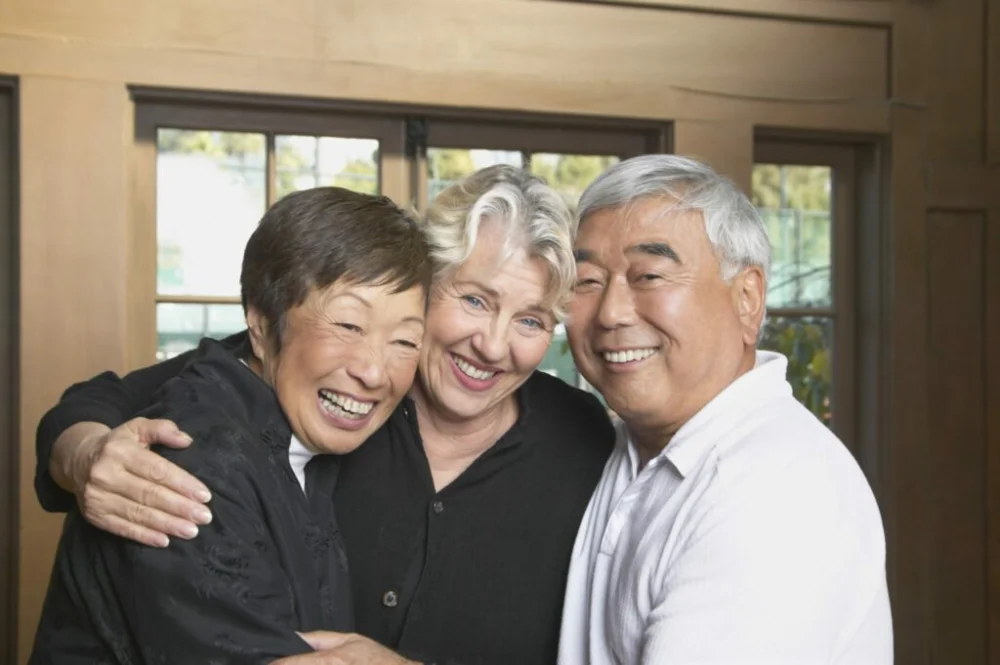
The societal imagery associated with retirement, long perpetuated by media and popular culture, is also evolving. For decades, depictions often featured contented individuals engaged in passive leisure – rocking chairs, quiet contemplation, and a serene sense of well-earned rest before the inevitable. More recent portrayals have shifted towards more active and engaged seniors, still enjoying leisure but with a greater emphasis on vitality and continued personal fulfillment. These images, while often aspirational, may not fully capture the multifaceted realities of individuals navigating this transitional phase.
The Shifting Landscape of Post-Career Life
The traditional retirement narrative has been significantly challenged and reshaped by several converging factors over the past few decades. These include:
- Increased Life Expectancy: Advances in healthcare and public health have led to a significant increase in average life expectancy. Individuals are living longer, healthier lives, meaning a period of "retirement" can now span several decades, far exceeding the duration envisioned by earlier generations. The Social Security Administration, for instance, projects that a significant portion of individuals reaching retirement age today can expect to live into their 90s.
- Economic Realities and Financial Planning: For many, the financial security once assumed to accompany retirement has become more precarious. The decline of traditional defined-benefit pension plans and the increasing reliance on defined-contribution plans like 401(k)s mean that individuals bear more responsibility for their retirement savings. This can necessitate continued employment or the pursuit of new income streams to maintain desired lifestyles. Data from the U.S. Census Bureau consistently shows a growing percentage of individuals over 65 remaining in the workforce, a trend driven by both financial necessity and personal choice.
- The Evolving Nature of Work: The concept of a lifelong career in a single field is becoming less common. Many individuals have experienced multiple career shifts, acquiring diverse skill sets and a capacity for adaptation. This can translate into a desire to continue contributing their expertise in new capacities or to pivot to entirely different pursuits after leaving their primary employment. The Bureau of Labor Statistics reports that the average worker changes jobs approximately 12 times over the course of their career.
- The Digital Revolution and Globalization: The proliferation of technology has opened up new avenues for remote work, freelance opportunities, and entrepreneurial ventures, irrespective of age or geographical location. This has democratized access to flexible work arrangements and created a global marketplace for skills and services, empowering individuals to engage in meaningful work on their own terms.
- A Greater Emphasis on Purpose and Fulfillment: Societal attitudes are increasingly valuing personal growth and contribution throughout life. Many individuals in their later years are seeking opportunities to pursue passions, engage in civic activities, and make a meaningful impact, rather than simply opting for leisure. Research from organizations like AARP highlights a strong desire among older adults to remain active and engaged in their communities.
In this context, where the world faces complex challenges and requires broad participation, the disengagement once associated with "retirement" appears increasingly anachronistic. The current era demands the leveraging of accumulated experience and the active engagement of all individuals, regardless of their formal employment status.
Embracing "Seniority": A New Paradigm
Dr. Reese argues that instead of clinging to the outdated notion of "retirement," individuals are arriving at a new stage: "seniority." This is not an earned status through formal rank, but a natural consequence of a life lived, replete with experiences, challenges, and triumphs. Seniority, in this context, implies a position of privilege, not in the sense of entitlement, but as a recognition of accumulated wisdom and perspective.
The term "seniority" carries an inherent gravitas, suggesting a respect and esteem that acknowledges extensive experience. Just as a senior partner in a firm or a senior officer in an organization commands a certain deference due to their tenure and knowledge, so too does an individual who has navigated decades of professional and personal life. This implied status also brings with it an implicit responsibility.
In times of significant societal upheaval and rapid change, the emerging presence and voice of individuals who have reached this stage of seniority can be a powerful asset. Their capacity to inspire, to merge their lived experiences with the dynamism of younger generations, and to offer guidance derived from resilience is invaluable. When seniors actively listen, engage, and demonstrate their adaptability – a skill honed through navigating past societal shifts – they become central players in the processes of change. By embracing new ideas, modeling resilience, and applying the hard-won lessons of experience, seniors can contribute significantly to addressing contemporary challenges.
The era of passive retirement is demonstrably over. The expectation of idleness has been replaced by the recognition of the active potential inherent in seniority. This shift signifies a move from a passive state to one of active contribution, where accumulated life experience becomes a potent force for positive impact.
The Broader Implications of this Generational Shift
The redefinition of post-career life from "retirement" to "seniority" has profound implications for individuals, communities, and society at large. For individuals, it offers a reframing of this life stage as an opportunity for continued growth, purpose, and contribution, rather than an ending. This can lead to improved mental and physical well-being, a greater sense of self-worth, and a richer, more fulfilling post-career existence.
At the community level, the active engagement of seniors can invigorate local initiatives, volunteer efforts, and civic participation. Their willingness to share skills, mentor younger generations, and advocate for important causes can strengthen the social fabric and foster intergenerational understanding. Organizations like the Corporation for National and Community Service have consistently documented the significant contributions of older adults to volunteer efforts across the country, highlighting their vital role in addressing community needs.
On a societal level, this paradigm shift challenges ageist stereotypes and underscores the enduring value of experienced individuals. It recognizes that the wisdom, resilience, and diverse perspectives of older adults are essential resources for navigating complex global challenges, from climate change and economic inequality to social justice and technological advancement. By embracing the concept of seniority as a period of active engagement and contribution, society can harness the full potential of its aging population, fostering a more inclusive, dynamic, and resilient future for all.
Dr. Thelma Reese, an author and retired professor of English and Education, has been a vocal advocate for this reinterpretation of later life. Her works, including "The New Senior Woman" and "The New Senior Man," explore the evolving identities and contributions of older adults. Her recent book, co-authored with BJ Kittredge, "How Seniors Are Saving the World: Retirement Activism to the Rescue!" further elaborates on the concept of active engagement and social impact in later life, underscoring the powerful role seniors can play in driving positive change. This perspective is further amplified through her online platform, www.ElderChicks.com, and her participation in various educational and cultural initiatives. The podcast conversations with Dr. Reese, available through platforms like Retirement Wisdom, delve deeper into the unique challenges and opportunities faced by seniors, reinforcing the message that this stage of life is not an endpoint, but a powerful platform for continued meaningful involvement. This article, originally published in New Spirit Journal and Thrive Global, is a testament to the growing recognition of this vital shift in understanding the value and potential of our senior population.

