
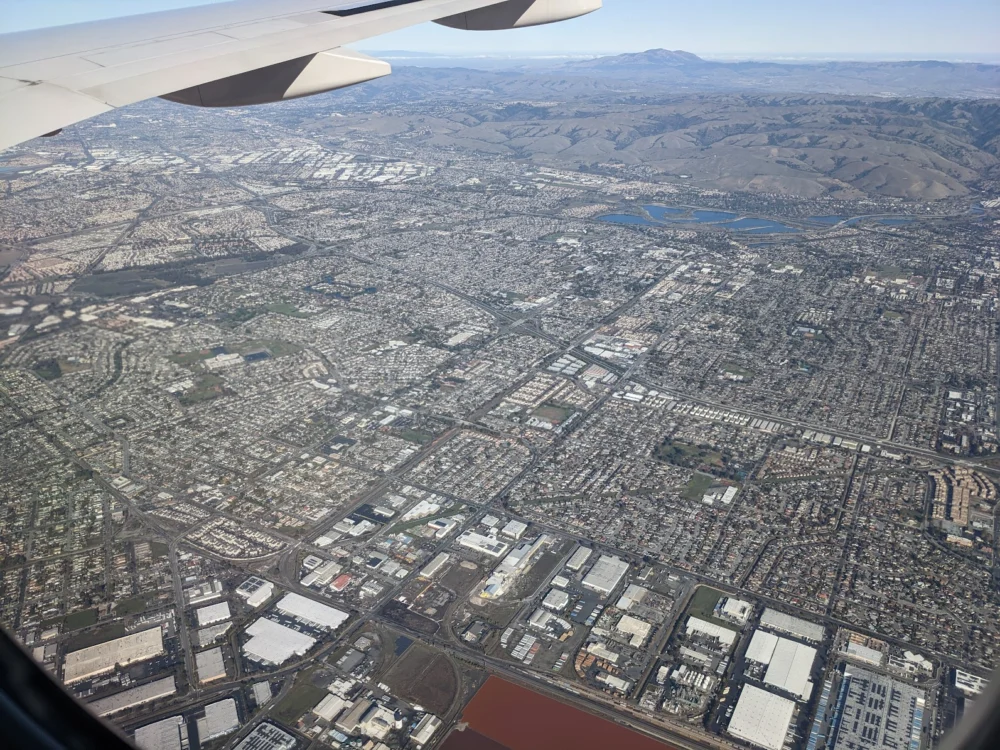
A recent observation from a proponent of the Financial Independence, Retire Early (FIRE) movement highlights a stark divergence in lifestyle and financial philosophy, underscoring how deeply entrenched societal norms can obscure more financially prudent and health-conscious choices. The insights, gleaned from a visit to the San Francisco Bay Area, reveal a significant gap between communities actively pursuing financial independence and those caught in a cycle of high consumption, even amidst exorbitant living costs. This phenomenon, termed the "normalcy bubble," suggests that human adaptation to prevailing circumstances, however illogical or detrimental, can lead to a collective blindness regarding alternative ways of living.
The Genesis of the Observation
The catalyst for this critical examination was a recent trip to San Francisco. For years, the observer, known for advocating purposeful money management, noted a gradual evolution within their immediate community into what they describe as a "Personal Finance Bubble." In this environment, individuals have cultivated substantial savings, mitigating financial stress through deliberate spending and shared values. This communal approach to frugality and practical resourcefulness, exemplified by activities like collaborative home renovations and finding value in second-hand goods, had become the prevailing "normal." This localized success fostered a perception that such principles of "Mustachian living"—a term coined by the observer to describe a frugal, high-saving lifestyle—might have become universally adopted across American society.

However, the immersion into the San Francisco Bay Area offered a stark counter-narrative, revealing an "astonishing reality" far removed from this financially independent enclave. This contrast sparked a renewed understanding that the work of promoting financial literacy and intentional living is far from complete, and that both "Ultraconsumers" (those exhibiting high-spending habits) and "Mustachians" could gain valuable insights into human behavior by studying their divergent lifestyles.
The Bay Area: A Microcosm of Elevated Costs and Consumption
San Francisco, often colloquially referred to as "The City" by its residents, is part of the larger "Bay Area" megalopolis. This region, sprawling across approximately ten thousand square miles and home to eight million people, is characterized by an exceptionally wide spectrum of socio-economic conditions and, notably, some of the highest living costs in the United States.
Housing Market Dynamics:
The median house price in the Bay Area stands at approximately $1.5 million. However, this figure merely scratches the surface of the underlying disparities. Real estate prices can range from around $750,000 in less desirable neighborhoods, often accompanied by long commutes, litter-strewn streets, and the necessity for enhanced home security measures, to upwards of $3 million in more affluent areas. This pricing structure often forces residents into perpetual financial strain, regardless of their income levels.

Daily Expenses and Service Costs:
Beyond housing, everyday expenses in the Bay Area are notably inflated. Gasoline prices have frequently surpassed $6.00 per gallon, and even basic commodities like a slice of pizza can cost $7.00 at a modest establishment. Service industries also reflect this high-cost environment; for instance, a housekeeping company might charge $90 per hour. Dining out, a common practice for many residents, can quickly accumulate significant costs, as evidenced by a recent brunch bill for three totaling $148, including tip, at a casual restaurant. These figures represent a significant burden on residents’ disposable income, leading to common laments about the impossibility of achieving financial stability in such an expensive region.
Automobile Dependency and its Financial Drain:
A striking example of elevated expenses is automobile ownership. The anecdote of a young finance professional contemplating downsizing from two seven-passenger Mercedes SUVs, each incurring a $1,200 monthly payment, highlights the significant financial commitment to personal vehicles. This individual also paid an additional $200 per month for a parking space. Such scenarios are not uncommon, contributing substantially to the overall cost of living and diverting considerable resources from savings or other investments.
Challenging the "High Cost of Living" Narrative
While the refrain "This is just a high cost of living area so it’s impossible to get ahead" is prevalent among Bay Area residents, a closer look reveals systemic lifestyle choices that amplify these costs unnecessarily. The observer noted several inconsistencies when applying a "Mustachian" lens to the region’s challenges:
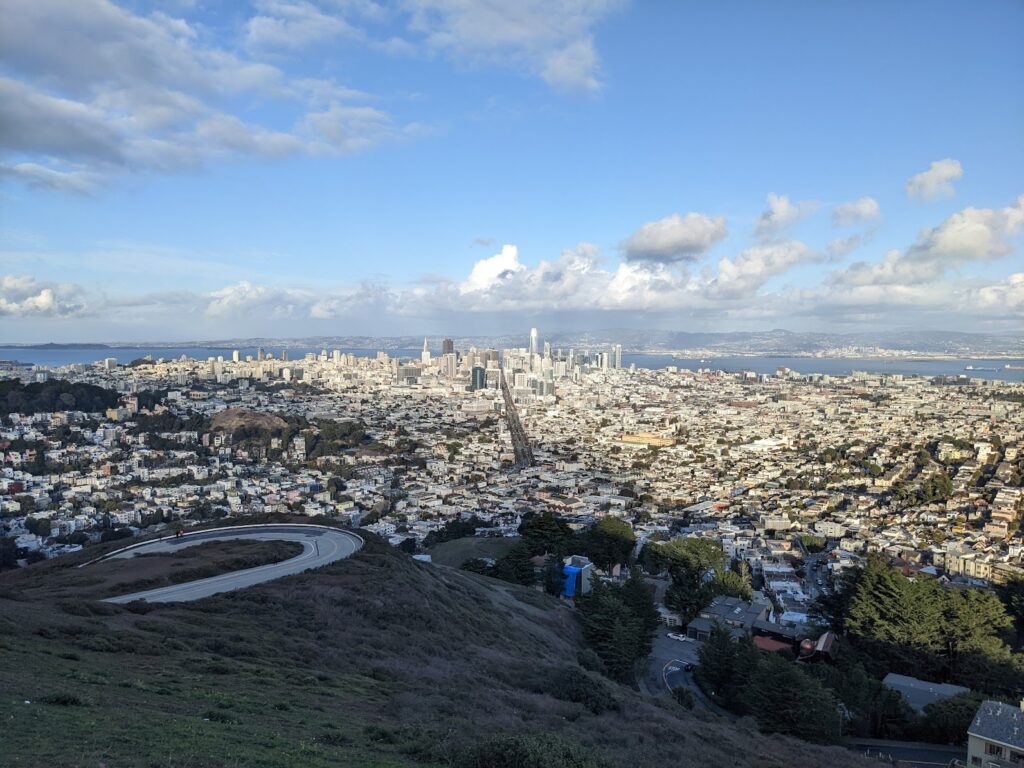
Free and Healthy Leisure:
Despite the high cost of paid entertainment and services, the Bay Area offers abundant opportunities for free, health-promoting activities. Exploring parks, hiking along cliffs and ocean shores, and walking for transportation are readily available. These activities not only provide physical benefits—promoting leanness, health, and muscle development—but also create lasting memories at no monetary cost. Yet, many residents express difficulty in finding time for fitness or perceive walking and biking as impractical due to the city’s topography. This suggests a preference for convenience and paid activities over accessible, free alternatives.
Affordable Food and Favorable Climate:
Counterintuitively, essential goods like food are only marginally more expensive in the Bay Area compared to more affordable regions in the country. This indicates that while services and housing are highly priced, basic sustenance remains relatively accessible. Furthermore, Northern California boasts an exceptionally mild climate, characterized by year-round foliage, minimal need for heating or air conditioning, and conditions conducive to year-round cycling (barring light rain or mist). This climate advantage could significantly reduce utility costs and facilitate active transportation, yet these opportunities are often overlooked.
The "California Effect" and Unnecessary Consumption:
The observer identifies a "California effect," a magnified version of a broader societal trend where individuals make choices that increase their financial burden and diminish their quality of life. Despite nation-leading salaries, many residents appear no further ahead financially due to pervasive high-consumption habits:
- Weather Aversion: Locals often avoid even mild weather conditions, opting for indoor activities or vehicle use.
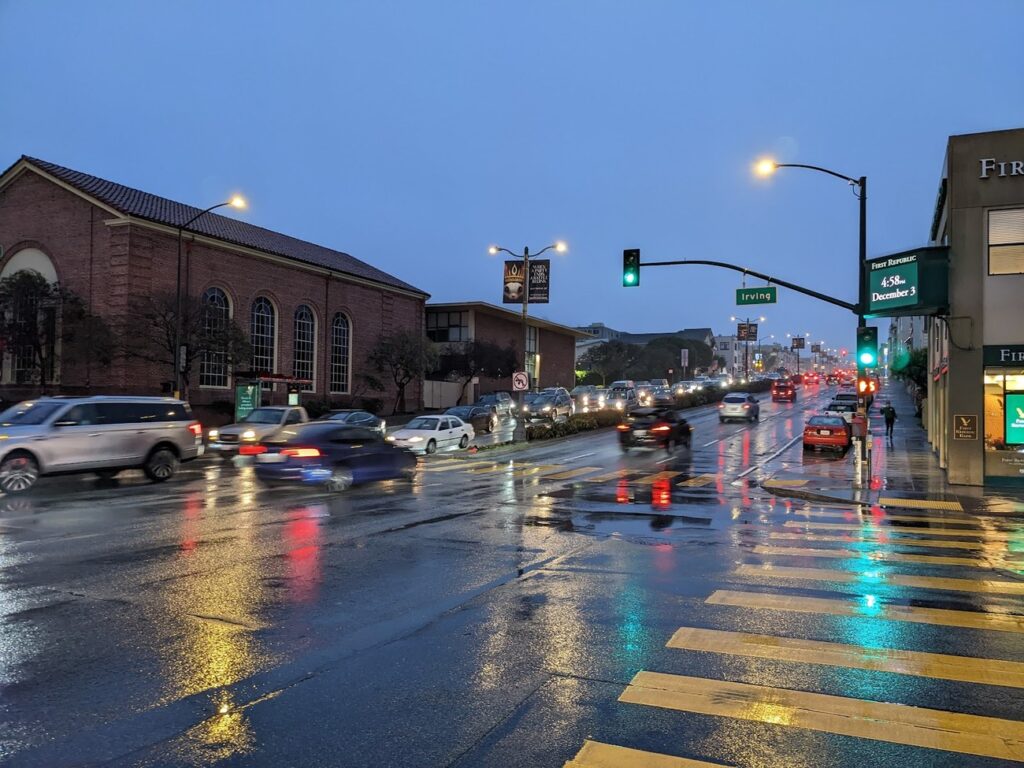
- Car Dependency: Cars are frequently chosen over walking or cycling, despite being the slowest and most expensive mode of transport in congested urban environments. This choice is exacerbated by a massive infrastructure of roads and parking lots built to accommodate vehicle usage, creating a "screaming, crashing, toxic din of expensive and purely unnecessary bullshit."
- Dining Out Culture: A significant portion of meals are consumed at restaurants, contributing to high food expenses.
- Luxury Spending: Indulgences such as a $150 bottle of wine are considered reasonable on a regular basis.
- Geographic Sprawl: People often live far from their workplaces and sign up for activities distant from home, necessitating more travel and reinforcing car dependency.
These collective behaviors, despite the area’s high incomes, prevent many from accumulating wealth or achieving financial independence. The state government’s investment in extensive road networks and parking facilities further entrenches this car-centric culture, inadvertently subsidizing expensive and environmentally detrimental choices. The implications extend beyond financial costs, contributing to thousands of traffic fatalities, increased demand for emergency services, and a sedentary lifestyle linked to chronic health conditions like heart disease and diabetes, placing an immense burden on the healthcare system and taxpayers.
The Pervasiveness of the "Normalcy Bubble"
The core insight derived from this comparison is the profound impact of the "normalcy bubble." This psychological phenomenon describes how human brains rapidly adapt to recurring stimuli and situations, eventually perceiving them as normal, regardless of their actual efficacy, cost, or benefit.
Examples of Adaptation to "Normal":

- Mustachian Community: Individuals in the FIRE movement’s "bubble" have adapted to frugal living, self-sufficiency, and financial security, viewing these practices as normal.
- Bay Area Professionals: Despite high salaries, many young tech and finance workers in San Francisco carry credit card debt and car loans, accepting this financial state as a normal consequence of living in the region.
- War Zones: As described by researcher Lex Fridman, even individuals in Ukrainian war zones, experiencing frequent bombings and personal losses, can eventually adapt to the extreme conditions and perceive their dangerous environment as "safe" or "normal."
- Diverse Human Behaviors: This adaptive capacity is evident across a spectrum of human activities, from excessive screen time and unhealthy diets to extreme athletic pursuits or substance abuse. The brain recalibrates, making the extraordinary or even detrimental seem commonplace.
This adaptive mechanism, while allowing humans to cope with diverse environments, also poses a significant challenge: it can prevent individuals from critically evaluating their circumstances and seeking more optimal paths. If "normal" is merely what one is accustomed to, then many societies, particularly affluent ones, may be inadvertently perpetuating inefficient, expensive, and unhealthy systems.
Implications for Personal and Societal Well-being
The recognition of the "normalcy bubble" carries profound implications for both individual lifestyle design and broader societal planning. It suggests that prevailing social norms and economic structures can create self-perpetuating cycles of consumption and dependency, even when more beneficial alternatives are readily available.
Individual Agency and Intentional Design:
The central lesson is that one’s current life is not inherently "normal" but rather a product of specific, often unconscious, adaptations. This understanding empowers individuals to deliberately reshape their lives. By consciously introducing positive elements—such as health-promoting activities, sensible spending habits, continuous learning, robust social connections, and community service—one can create a new, more beneficial "bubble" of normalcy. The human brain’s adaptability ensures that these new patterns will eventually feel just as normal as previous, less optimal ones. This is the underlying principle not only for achieving financial independence but also for cultivating a holistically fulfilling life.
Societal Challenge and Opportunity:
On a grander scale, the "California Effect" serves as a powerful example of a "wasted opportunity" for billions trapped in self-defeating modern systems. The Bay Area, with its immense wealth and natural advantages, could theoretically foster a population of highly engaged, healthy, and financially secure individuals. Instead, it often exemplifies the pitfalls of unexamined consumption.
This presents a significant "life opportunity" for humanity: to critically examine collective societal norms, question what is truly "normal," and intentionally shift towards systems and lifestyles that prioritize well-being, sustainability, and financial resilience. This requires a conscious effort to identify areas where "ridiculousness masquerades as normalcy"—whether in personal spending, transportation choices, or daily routines—and to actively seek out and normalize more effective and enriching alternatives.
In conclusion, the Bay Area’s unique socio-economic landscape, when viewed through the lens of intentional financial living, serves as a powerful illustration of the "normalcy bubble." It highlights how deeply ingrained habits and societal expectations can obscure more optimal paths. Recognizing this inherent human tendency to adapt and normalize, however, is the first crucial step toward designing lives that are not only financially independent but also genuinely healthier, happier, and more sustainable. The challenge, therefore, lies in consciously bursting these bubbles of perceived normalcy to forge a better reality.

