
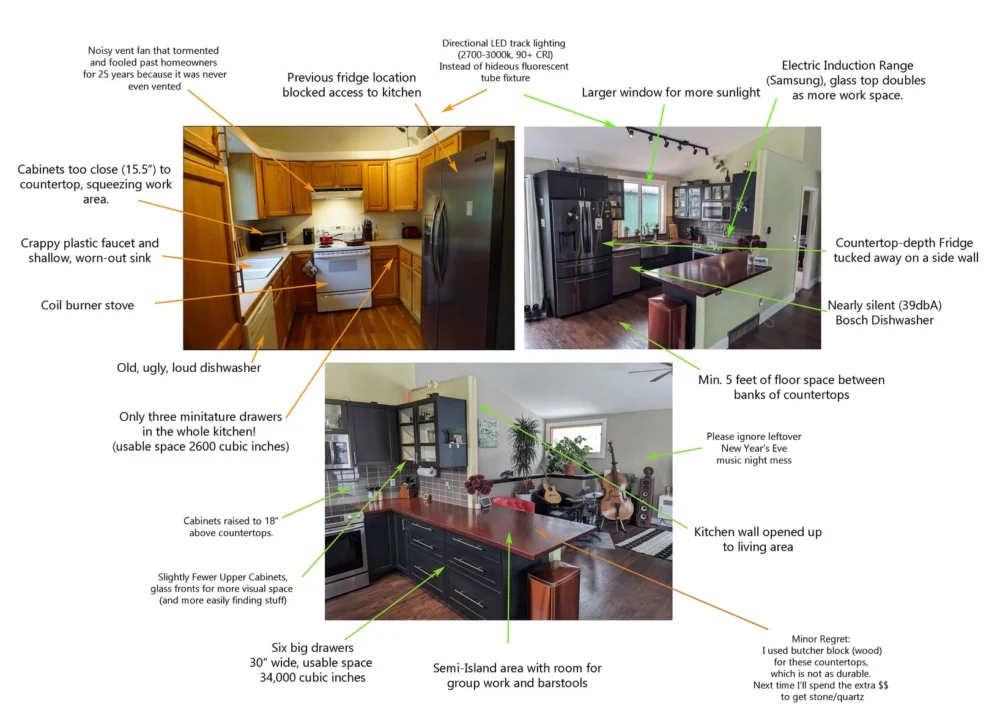
The landscape of home ownership is continually evolving, with a notable shift towards self-reliance in home improvement, particularly in kitchen renovations. This trend is fueled by escalating housing costs, a burgeoning shortage of skilled tradespeople, and the intrinsic value homeowners place on a functional and aesthetically pleasing living space. Insights from experienced DIY renovators indicate that undertaking kitchen projects can yield substantial financial savings and significant property value appreciation, transforming a typically expensive endeavor into a powerful investment strategy.
The Economic Imperative: Why DIY Kitchens are Gaining Traction
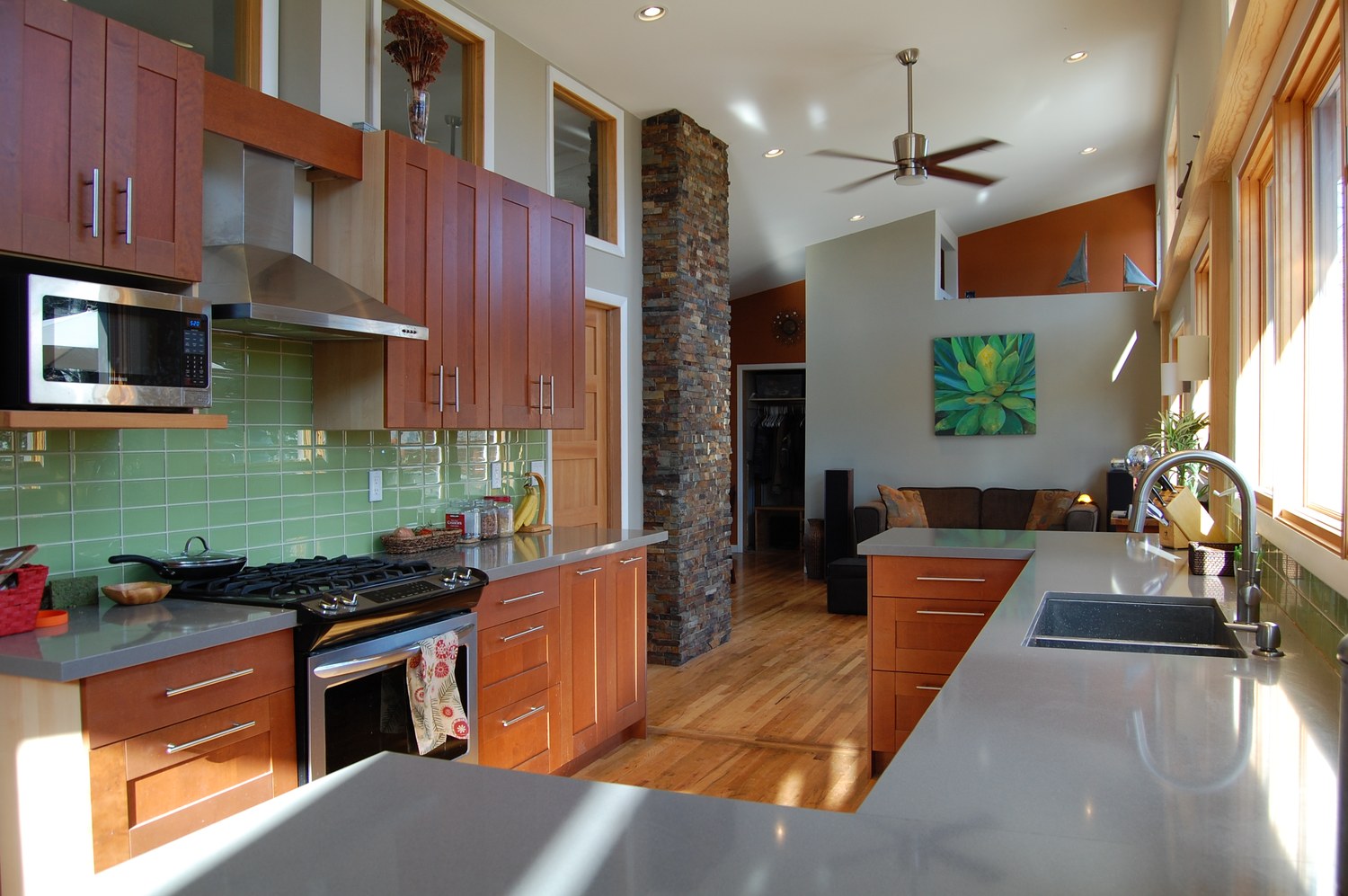
Housing remains the single largest expense for most households, and its cost has seen an unprecedented surge in recent years. This dramatic imbalance between supply and demand has pushed property values to historic highs, compelling many homeowners to reconsider how they manage and enhance their existing assets. Within this context, the kitchen emerges as a pivotal area. More than just a space for food preparation, it serves as the heart of the home – a dynamic hub for family activities, social gatherings, and daily routines. Its central role ensures that any investment in its improvement translates directly into an enhanced quality of life and considerable market appeal.
The financial incentive for DIY renovation is particularly compelling when considering the exorbitant costs associated with professional services. Industry estimates for a comprehensive kitchen renovation typically range from $25,000 to upwards of $75,000, with high-end projects easily exceeding this figure. A breakdown of these costs often reveals that a significant portion is attributed to labor, which can command rates between $100 and $300 per hour, depending on regional markets and the complexity of the work. By electing to perform the renovation themselves, homeowners effectively capture this labor value, transforming it into direct savings or increased equity. Moreover, strategic kitchen upgrades in competitive housing markets frequently generate a return on investment that surpasses the initial outlay, often adding more than the project’s cost to the property’s resale value or yielding higher rental income for investment properties. This financial leverage underscores the growing appeal of hands-on renovation.
Addressing the Trades Shortage and Empowering Homeowners
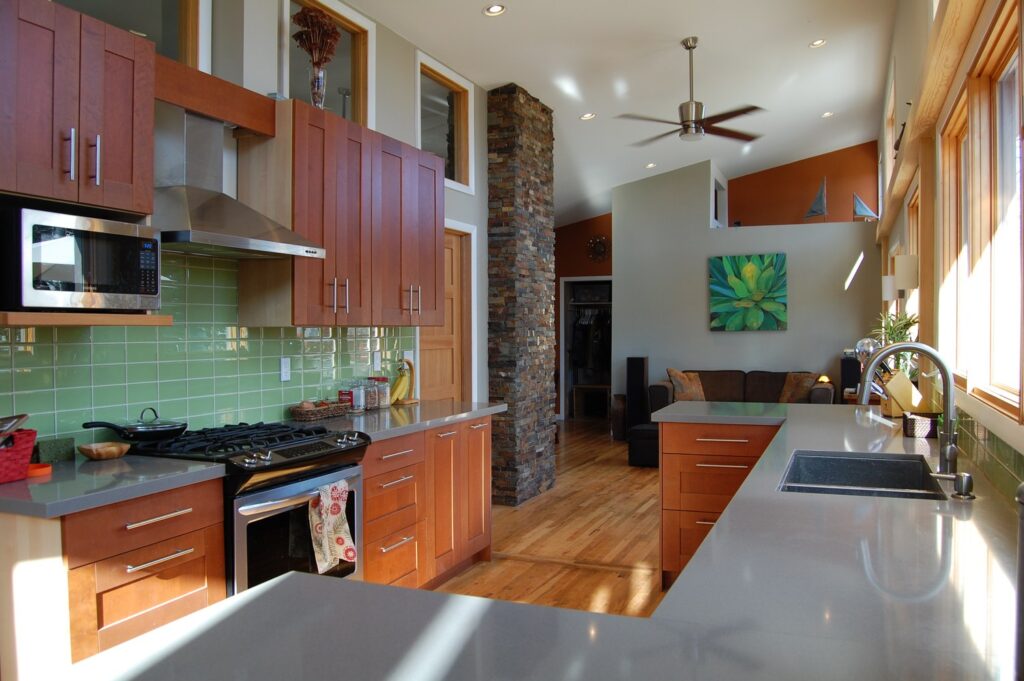
A parallel challenge contributing to the high cost of renovations is a pronounced shortage of skilled tradespeople. While the market is saturated with homes featuring outdated fixtures – flimsy sinks, leaky faucets, and faux wood-grain cabinets – there is a scarcity of experienced professionals capable of transforming these spaces into modern, functional kitchens. This scarcity not only drives up labor costs but also leads to longer project timelines and difficulty in securing reliable contractors.
This market dynamic creates a unique opportunity for resourceful homeowners. By acquiring practical skills in areas such as plumbing, electrical work, and carpentry, individuals can effectively fill this void, empowering themselves to undertake projects that were once exclusively the domain of professionals. The transferable nature of these skills is also a significant advantage; the competencies gained from renovating a kitchen, for instance, are largely applicable to bathroom remodels, extending the potential for cost savings and value creation across multiple areas of a home. This self-sufficiency fosters a sense of accomplishment and offers a tangible path to financial independence by reducing reliance on external services.
A Strategic Approach to Kitchen Renovation: Key Steps for Success
Embarking on a kitchen renovation requires a methodical approach, starting with foundational planning and progressing through various technical stages. The following outlines a comprehensive framework for undertaking such a project:
1. Navigating Regulatory Requirements: The Permit Process
Before any demolition or construction begins, understanding local building codes and permit requirements is paramount. While rules vary significantly by jurisdiction – some requiring permits for minor alterations, others being more lenient – any work involving changes to plumbing or electrical systems within walls almost invariably necessitates a permit. Beyond legal compliance, obtaining permits and adhering to codes ensures the safety and structural integrity of the renovation, protecting against future issues and enhancing the home’s long-term value. Performing work to professional standards, even if an inspection is not strictly mandated, is a fundamental principle for quality and peace of mind.
2. Strategic Budgeting and Material Sourcing
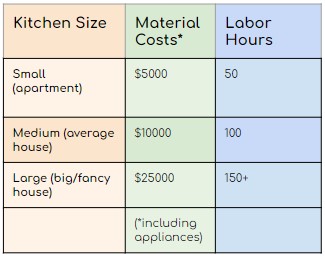
Cost estimation is a critical initial step. A detailed budget should account for all materials, including appliances, cabinetry, countertops, flooring, and fixtures. While costs fluctuate based on size and material choices, general benchmarks can be established: a small kitchen (approx. 75 sq ft) might incur $5,000-$10,000 in materials and 80-150 labor hours; a medium kitchen (approx. 150 sq ft) $10,000-$20,000 and 150-300 hours; and a large kitchen (approx. 250 sq ft) $20,000-$35,000+ and 300-500+ hours.

Savvy material sourcing can significantly impact the overall budget. Comparative shopping between traditional hardware stores and online retailers often reveals substantial price discrepancies for common components like plumbing fixtures and hardware. Bulk purchases, leveraging sales events, and exploring reclaimed or salvaged materials can also yield considerable savings. The principle is to prioritize quality where it matters most (e.g., structural components, frequently used appliances) and find cost-effective alternatives for less critical items.
3. Design and Layout: Maximizing Space and Functionality
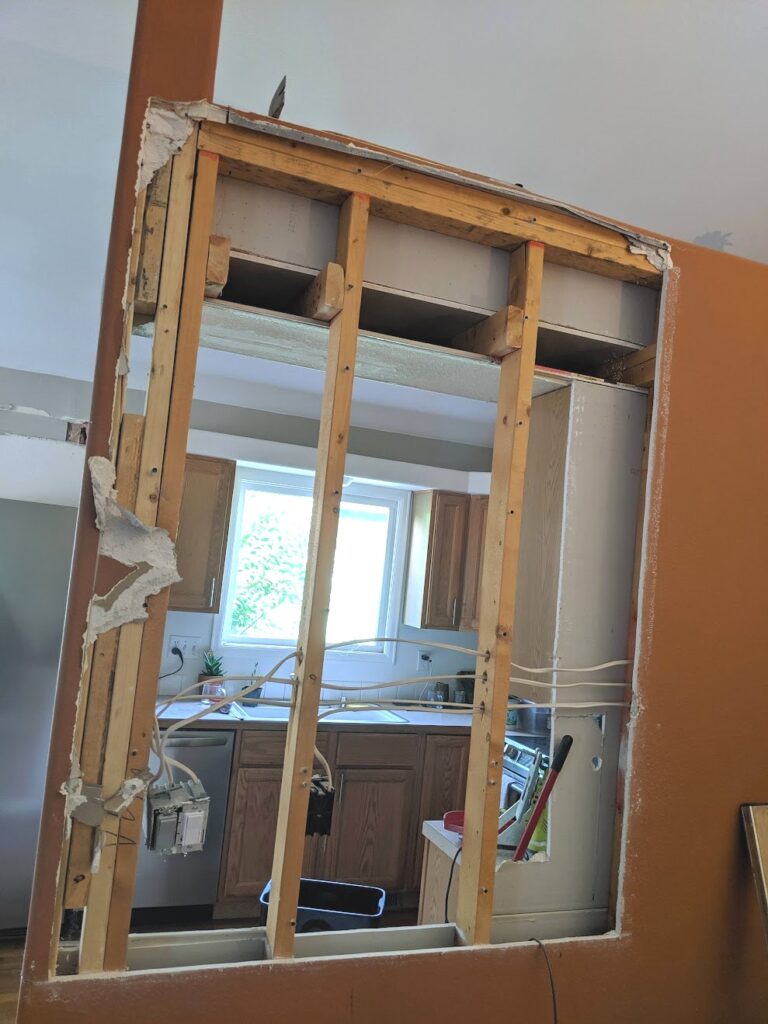
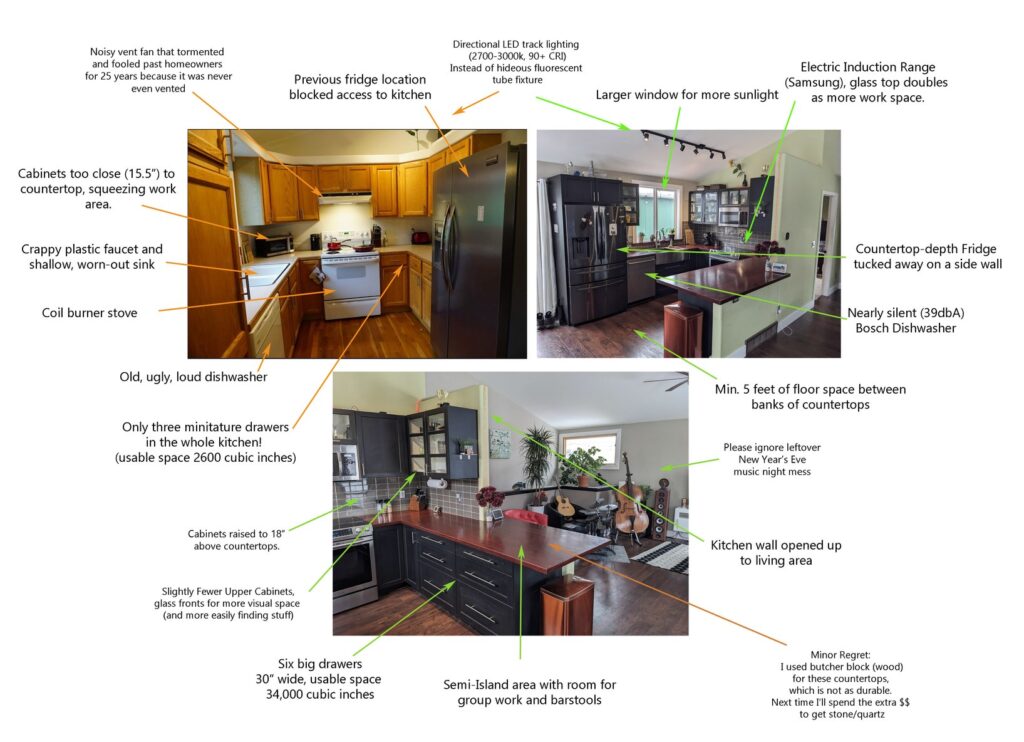
Modern kitchen design increasingly favors open-concept layouts, especially in older homes where kitchens were often confined to small, separate rooms. Removing unnecessary interior walls can dramatically enhance the sense of space and improve flow between living areas.
Identifying Load-Bearing Walls: A crucial consideration when removing walls is determining if they are load-bearing. While professional consultation with a structural engineer is always the safest approach, general indicators include walls running perpendicular to floor joists, walls directly above foundation beams, or walls containing point loads from above (e.g., support posts). Non-load-bearing walls typically run parallel to joists or have no structural elements above them.
Basic Layout Principles: Effective kitchen design adheres to principles that prioritize chef comfort and workflow. Key considerations include:
- The Work Triangle: Efficient placement of the refrigerator, sink, and stove to minimize movement during cooking.
- Ample Counter Space: Providing generous areas for food preparation.
- Storage Optimization: Utilizing vertical space and smart cabinet solutions.
- Clear Pathways: Ensuring unobstructed movement throughout the kitchen.
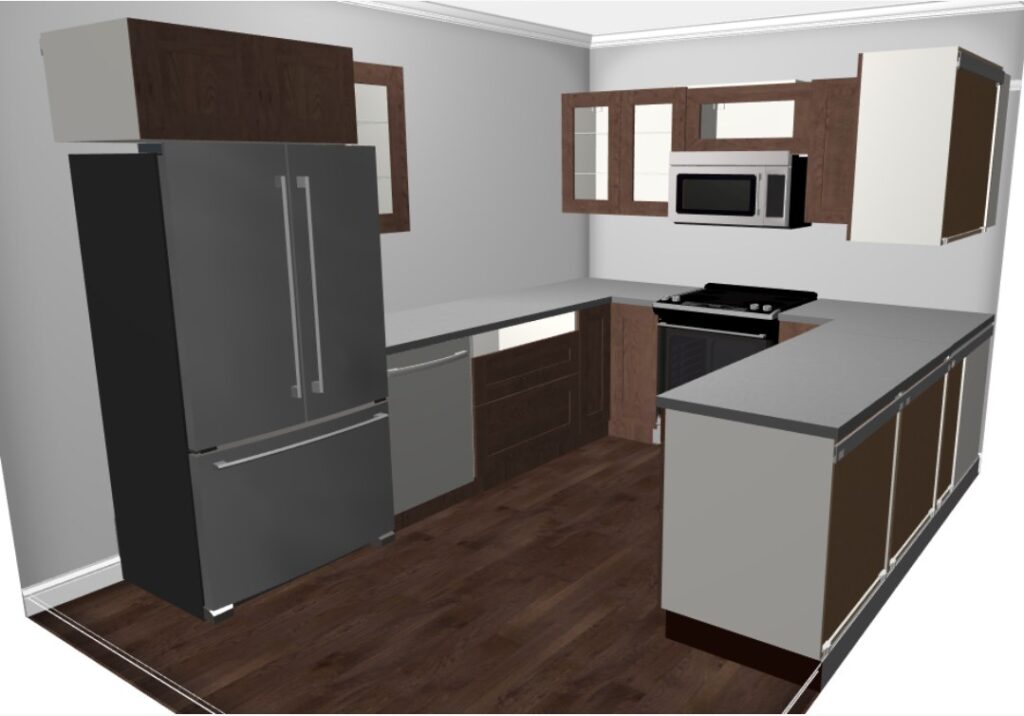
Tools like the free IKEA Kitchen Planner, or more sophisticated software like SketchUp, allow homeowners to create 3D visualizations, experiment with layouts, and accurately plan cabinet placement and appliance integration before any physical work begins. This virtual planning stage is invaluable for identifying potential issues and optimizing the design.
4. Building New Walls and Framing
While demolition often takes center stage, new walls may be required to redefine spaces, create pantries, or enclose utility areas. Principles for framing new walls include ensuring they are plumb, level, and securely anchored to existing structures, adhering to standard stud spacing (typically 16 or 24 inches on center) for proper support of drywall and cabinetry. Integrating blocking for future wall-mounted items (e.g., shelving, heavy appliances) during framing prevents complex installations later.
5. Plumbing and Venting: The Essential Underpinnings
For many renovations, existing plumbing lines for the sink, dishwasher, and refrigerator water supply may remain largely in place. However, relocating these fixtures or adding new ones is entirely feasible with proper planning. Modern plumbing systems often utilize PEX tubing, which offers flexibility, ease of installation, and resistance to corrosion compared to traditional copper or galvanized pipes.
Key plumbing principles include:
- Proper Drainage and Venting: Ensuring adequate slope for drain lines and correct venting to prevent siphonage and allow wastewater to flow freely.
- Shut-off Valves: Installing accessible shut-off valves for individual fixtures simplifies future maintenance.
- Water Supply Lines: Using appropriate materials and ensuring leak-free connections.
- Range Hood Venting: Ensuring proper exterior venting for range hoods is crucial for air quality, removing smoke, grease, and moisture.
6. Electrical Systems: Safety and Functionality
Electrical work demands meticulous attention to safety and strict adherence to the National Electrical Code (NEC) or equivalent regional regulations. While some homeowners may opt to hire an electrician for complex tasks, understanding basic principles can facilitate minor modifications or prepare for professional hookups.

Key electrical considerations for kitchens include:
- Dedicated Circuits: Major appliances such as refrigerators, dishwashers, garbage disposals, and microwaves typically require dedicated 20-amp circuits.
- Countertop Outlets: The NEC mandates a minimum of two 20-amp circuits serving countertop receptacles, with outlets spaced no more than four feet apart along workspaces and protected by Ground Fault Circuit Interrupters (GFCIs).
- Lighting: Planning for adequate task lighting (under-cabinet, pendant lights), ambient lighting (recessed lights), and accent lighting can dramatically enhance kitchen functionality and aesthetics.
- Smoke and Carbon Monoxide Detectors: Ensuring proper placement and functionality of safety detectors.
For removing existing electrical lines in demolished walls, proper labeling, power disconnection, and rerouting to a new, accessible junction are critical. Adding new circuits, while appearing daunting, involves running appropriate gauge wire from the main service panel to new outlets or fixtures, often requiring a professional for the final panel connection.
7. Drywall and Finishing Details
Once framing, plumbing, and electrical rough-ins are complete and inspected, drywall installation marks a significant step towards the finished space. Proper installation involves cutting sheets to fit, screwing them securely to studs, and meticulously taping and mudding seams for a smooth finish. After priming and a base coat of paint, flooring can be installed. Modern choices include durable engineered wood, Luxury Vinyl Plank (LVP) for its resilience and water resistance, or classic ceramic/porcelain tiles for ultimate longevity in high-traffic areas.
8. Cabinet Installation
Cabinet installation, while exciting, is often straightforward. Conventional cabinets require precise leveling and secure fastening to wall studs. Systems like IKEA’s cabinetry, which utilize a metal rail hanging system, can simplify the process, allowing for easy adjustments before final locking. Precision in this step ensures a professional appearance and long-term stability.
9. Countertops: A Key Investment
Stone countertops, such as quartz or granite, represent a significant investment, typically ranging from $60 to $120 per square foot. However, their durability, aesthetic appeal, and ease of maintenance often justify the cost in the long run. While alternatives like solid wood or tile can be more budget-friendly, stone options tend to offer superior longevity and resilience to daily wear, contributing substantially to resale value and homeowner satisfaction. The psychological benefit of a worry-free surface that resists scratches and stains often outweighs the initial higher expense.
10. Sink and Faucet Installation
Thanks to advancements in manufacturing and online retail, high-quality, modern sinks and faucets are now surprisingly affordable. Contemporary designs, including large single-basin sinks and pull-down spray faucets, can be acquired for a fraction of what they cost two decades ago. The installation process involves securely mounting the sink, connecting water supply lines, and configuring the drain system. A well-designed sink drain system, often featuring a P-trap and a disposal connection, is crucial for preventing clogs and odors.

11. Appliance Procurement and Installation
The appliance market has seen deflationary trends, with increased quality and features often available at competitive prices. While new appliances offer warranties and the latest technology, the used market can present significant savings, particularly for items like refrigerators, microwaves, and ovens, which tend to have longer lifespans. Caution is advised when purchasing used dishwashers or washing machines, especially if they have been stored in freezing conditions, as water lines and valves can be prone to damage. Thorough testing and a trustworthy seller are essential for used appliance purchases.
12. Finish Work and Aesthetic Flourishes
The final stage involves adding the details that elevate the kitchen’s aesthetic and functionality. This includes installing backsplashes (often full-height for a premium look), attaching cabinet hardware, mounting light fixtures, and applying final coats of paint. Thoughtful touches like under-cabinet lighting, pull-out drawers, and custom shelving enhance both the visual appeal and practical usability of the space. These elements, while seemingly minor, significantly contribute to the perceived value and overall enjoyment of the renovated kitchen.
Broader Implications: Economic, Social, and Environmental

The trend towards DIY kitchen renovation carries significant broader implications. Economically, it contributes to home value appreciation across existing housing stock, potentially mitigating some of the pressures from new construction shortages. Socially, it fosters a culture of self-reliance and practical skill acquisition, driven by accessible online learning resources and a desire for greater financial control. Environmentally, by improving and extending the life of existing homes, it promotes sustainability by reducing the demand for new building materials and minimizing waste associated with demolition and reconstruction.
In conclusion, the decision to undertake a kitchen renovation personally represents more than just a home improvement project; it is a strategic financial move, a testament to growing homeowner empowerment, and a practical response to prevailing market conditions. By methodically approaching each step, leveraging available resources, and committing to quality craftsmanship, individuals can create a joyful, functional, and highly valuable heart for their homes, while simultaneously realizing substantial financial gains.

