
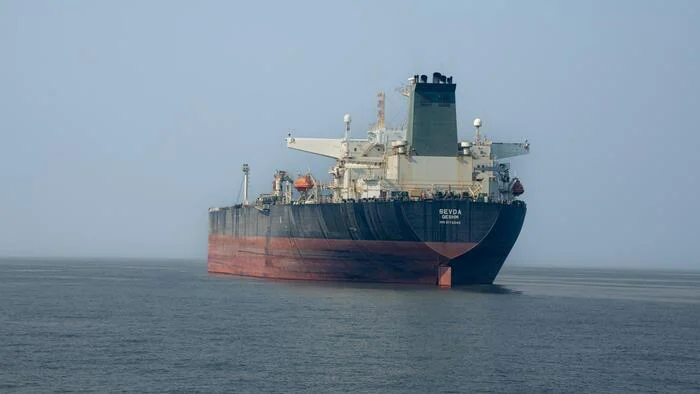
Less than a week into the U.S.-Israeli operations in Iran, the Strait of Hormuz, a pivotal global chokepoint for energy shipments, has witnessed a dramatic cessation of oil tanker traffic. Data compiled by Lloyd’s List Intelligence reveals approximately 200 oil tankers are currently stranded in the Gulf, a stark indicator of the immediate and severe disruption. While Tehran has refrained from officially closing the narrow waterway, the strait has become effectively impassable due as Western insurers have either withdrawn coverage or drastically escalated risk premiums, rendering transit economically unfeasible and prohibitively dangerous for commercial vessels.
The Strait of Hormuz: A Critical Artery Under Duress
The Strait of Hormuz is unequivocally one of the world’s most vital maritime arteries, connecting the oil-rich Persian Gulf to the open seas. It is estimated that approximately 20 million barrels of crude oil and petroleum products traverse this strait daily, constituting roughly 20% of the world’s total petroleum liquids consumption and an even larger share, nearly 30%, of global liquefied natural gas (LNG) trade. The majority of these shipments are destined for burgeoning Asian economies, underscoring the strait’s indispensable role in global energy security and economic stability, particularly for major importers like China, India, Japan, and South Korea. The current halt in traffic immediately threatens the energy lifelines of these nations, with cascading effects on global energy prices and industrial output.
Historically, the Strait of Hormuz has been a flashpoint for geopolitical tensions, with its strategic significance frequently leveraged during periods of regional conflict. Past incidents, ranging from the "Tanker War" during the Iran-Iraq War in the 1980s to more recent skirmishes and threats, have repeatedly highlighted its vulnerability. The current situation, however, marks an unprecedented level of disruption driven not by direct closure but by the financial paralysis induced by the global insurance industry’s assessment of extreme risk. This collective withdrawal of coverage reflects the severe perceived threat to vessels, cargo, and seafarers, effectively blockading the strait without a physical barrier.
Widespread Maritime and Air Cargo Disruptions
The ramifications of the conflict are not confined to the maritime transport of energy resources. The broader logistics landscape is experiencing significant upheaval. Air cargo operations out of the Middle East have been extensively grounded, disrupting vital air freight routes that carry high-value goods, perishables, and time-sensitive components. Furthermore, numerous commercial vessels, unwilling to navigate the perilous Strait of Hormuz or other affected areas, have begun rerouting their journeys around Africa’s Cape of Good Hope. This alternative, while offering a safer passage, comes at a substantial cost: it adds days, if not weeks, to transit times and significantly inflates fuel consumption and operational expenses. For a supertanker or a large container ship, the extended journey around Africa can add thousands of nautical miles and millions of dollars in additional costs per voyage, straining global shipping capacity and exacerbating existing supply chain fragilities.
The economic consequences of these detours and disruptions are already manifesting. The Containerized Freight Index, a key indicator of shipping costs for goods transported in containers, has climbed by more than 5 percent in the past month alone, signaling rising expenses for manufacturers and retailers. Even more dramatically, in the liquefied natural gas (LNG) market, shipping rates have surged by an astonishing 650 percent, reaching an unprecedented $300,000 per day, according to detailed reports from shipbroker Fearnleys. This exponential rise in shipping costs for LNG directly impacts the price of natural gas, with ripple effects on electricity generation, industrial processes, and residential heating across major importing regions.
Beyond Energy: Impact on Diverse Commodities
The longer the conflict persists, the greater the likelihood that its disruptive effects will bleed into the broader global supply chain, impacting a vast array of goods far removed from the energy sector. This includes essential materials for construction, manufacturing, and even pharmaceuticals. The Middle East region is a significant producer and transit hub for key construction and manufacturing materials, such as cement, concrete, and sand. Disruptions to their production or shipment from the region could halt construction projects worldwide, leading to delays and increased costs in infrastructure development and housing.
Furthermore, critical industrial metals are also at risk. Approximately seven percent of the global aluminum supply, an indispensable metal used in everything from aerospace and automotive manufacturing to packaging and electronics, flows through the Strait of Hormuz. A sustained interruption would lead to shortages, price spikes, and production slowdowns in numerous downstream industries globally. Similarly, pharmaceuticals manufactured in India, often transported through or around the Middle East to markets in Europe and North America, could face severe delays. Natural-gas-based products produced in Saudi Arabia, including various petrochemicals essential for plastics, fertilizers, and other industrial applications, also traverse the region, making their supply chains vulnerable to the ongoing instability.
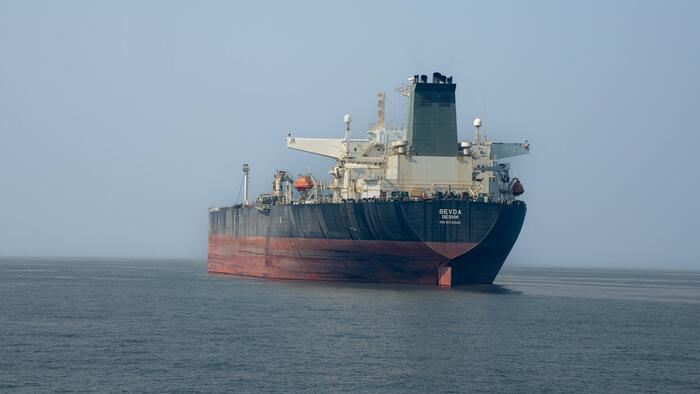
A prolonged conflict in Iran, therefore, presents a dual threat: direct delays and potential product shortages across multiple sectors, coupled with significantly higher production and transportation costs. These combined pressures inevitably translate into increased prices for consumers, eroding purchasing power and potentially stifling economic growth.
Economic Fallout and Inflationary Pressures
These escalating developments threaten to revive broad-based price pressures at a precarious time, even as aggregate inflation levels in many major economies, including the United States, have shown signs of moderating. The annual inflation rate in the United States, for instance, had recently settled at 2.4 percent, approaching the Federal Reserve’s long-term target. However, the current crisis introduces a potent new inflationary impulse that could derail this progress.
Market watchers are primarily concerned about the immediate effects of rising energy costs on near-term inflation and growth prospects, and critically, on the Federal Reserve’s policy strategies. David Rees, global head of economics at Schroders, noted in a recent analysis that while "a brief spike in oil prices would have little lasting effect on inflation," sustained higher energy prices over "weeks or months" would be necessary to push the Consumer Price Index (CPI) meaningfully higher. Should this occur, Rees warns, "higher sustained energy inflation would squeeze real incomes, weigh on growth, and raise doubts about whether central banks, such as the U.S. Federal Reserve, can continue easing monetary policy."
A generally accepted rule of thumb in economic forecasting suggests that every $10 jump in oil prices typically shaves off 0.1 percentage point from gross domestic product (GDP) growth and increases inflation by 0.2 percentage points. Given the current trajectory of oil prices, these impacts could become significant if the situation persists. Additionally, rising oil prices tend to exert a lag effect on the broader economy. Sarah Wolfe, a strategist at Morgan Stanley Wealth Management, highlights that consumption generally begins to slow two to three months after an initial price shock and often remains tepid for five to six months. She emphasized that "the magnitude of the drag depends on the duration and persistence of higher energy prices," underscoring the critical importance of a swift resolution to the conflict.
Official Responses and Industry Skepticism
In an effort to mitigate the severe economic repercussions, the U.S. administration has moved to thaw frozen trade and stabilize global energy markets. These measures include offering naval escorts to commercial vessels navigating the affected waterways and providing political risk insurance guarantees. The latter offers critical coverage that protects companies against financial losses stemming from conflict, expropriation, and other hostile geopolitical environments, aiming to restore confidence among shippers and insurers.
While these steps are largely welcomed by the industry, players remain cautiously optimistic. Stamatis Tsantanis, CEO and chairman of Seanergy Maritime, articulated the prevailing sentiment: "Shipowners and operators will need to see a clear, secure corridor established before confidence fully returns." Tsantanis further emphasized the multifaceted priorities of the maritime sector: "The priority for the industry is not just moving cargo, but protecting the lives of seafarers, the value of vessels, and avoiding what could become a major environmental disaster if a tanker were seriously hit in such a narrow and sensitive waterway." His comments underscore that mere financial incentives or security pledges might not suffice without tangible evidence of de-escalation and safe passage.
Even with security guarantees or an eventual cessation of hostilities, restoring normal trade flows through the Strait of Hormuz is expected to be a gradual process. As Tsantanis noted, "Shipping has always adapted to geopolitical tensions, but restoring normal flows through Hormuz will depend on credible security arrangements that give crews, owners, and insurers the confidence that transit through the strait is genuinely safe." This implies a period of sustained stability and verifiable security before the pre-conflict volume and efficiency of trade can be fully re-established.
Energy Market Volatility: A Global Concern
The uncertainty surrounding this vital artery has directly contributed to a significant spike in energy prices across the board this week. Crude oil prices have been surging, with a barrel of West Texas Intermediate (WTI) benchmark crude approaching $80 on the New York Mercantile Exchange. Brent crude, the international benchmark for oil prices, is inching closer to $85 per barrel. These increases reflect immediate supply concerns and the added costs of rerouting and insurance.
Beyond crude oil, natural gas prices have also edged up, reaching approximately $3 per million British thermal units. The impact is also being felt directly by consumers: gasoline prices have risen by 9 percent, and heating oil futures have climbed by a substantial 37 percent over the past week alone. These rapid increases translate into higher costs for transportation, manufacturing, and heating, directly affecting household budgets and business profitability worldwide. The interconnectedness of global energy markets means that even regions not directly reliant on Middle Eastern oil or gas can experience price hikes due to shifts in global supply-demand dynamics and redirected trade flows.
Central Bank Dilemma and Monetary Policy Implications
The unfolding situation could significantly complicate the policy strategies of central banks globally, particularly the U.S. Federal Reserve. Facing an unanticipated energy supply shock, the Fed is likely to adopt a cautious stance, potentially keeping interest rates on hold as officials assess the evolving situation and scrutinize incoming economic data for signs of sustained inflationary pressure or economic slowdown.
Minneapolis Fed President Neel Kashkari, speaking at a Bloomberg event, acknowledged that the conflict has ignited considerable uncertainty regarding the outlook for both monetary policy and the broader economy. Kashkari articulated the core dilemma facing policymakers: "The question I think that we are wrestling with, and markets are wrestling with, is, how long is this going to last? How bad is it going to get? Is it going to look more like Russia-Ukraine, or is it going to look more like Hamas attacking Israel, and that’s going to have effects on monetary policy." He stressed that such conflicts introduce significant unpredictability into the inflationary trajectory, making it harder for central banks to plan their next moves.
The market has already begun to react to this heightened uncertainty. Futures market data indicate that traders have pushed out their expectations for the first quarter-point rate cut of 2026 to September, a notable shift from earlier predictions. This adjustment reflects growing investor apprehension about the Federal Reserve’s ability to ease monetary policy in an environment of renewed inflationary pressures, even as the end of Fed Chair Jerome Powell’s term approaches in May and a new presidential pick prepares to take over the role.
Historical Precedents and Resilience
While the current situation is grave, it is instructive to consider historical precedents. The brief Iran-Israel war in June 2025, for example, offered a glimpse into how resilient the global economy has become to certain Middle East shocks. During that conflict, oil prices spiked above $82 a barrel after the United States and Israel struck Iranian nuclear sites. However, prices subsequently slid back below $70 within months. Crucially, the growth and inflation rates in the United States and other major economies were hardly impacted in the long run.
This past event suggests that short-lived, contained conflicts, even those involving key energy producers, might be absorbed by the global economy without triggering a prolonged crisis. However, the key differentiator remains "duration and persistence." The current conflict, if it proves more protracted or escalates further, could present a much greater challenge than previous, more contained incidents. The sheer scale of the Strait of Hormuz disruption and the breadth of commodities now affected suggest that the economic consequences could be more profound and enduring if a rapid resolution is not achieved.
In conclusion, the U.S.-Israeli operations in Iran have swiftly triggered a complex web of disruptions across global supply chains. From the immediate halt in tanker traffic through the Strait of Hormuz to the broader implications for diverse commodities, air cargo, and overall shipping costs, the economic fallout is already substantial. The potential for renewed inflationary pressures and the dilemma facing central banks underscore the fragility of the global economy to geopolitical shocks. While historical precedents offer some hope for resilience, the magnitude and persistence of this conflict will ultimately determine its lasting impact on international trade, economic growth, and global stability.

