
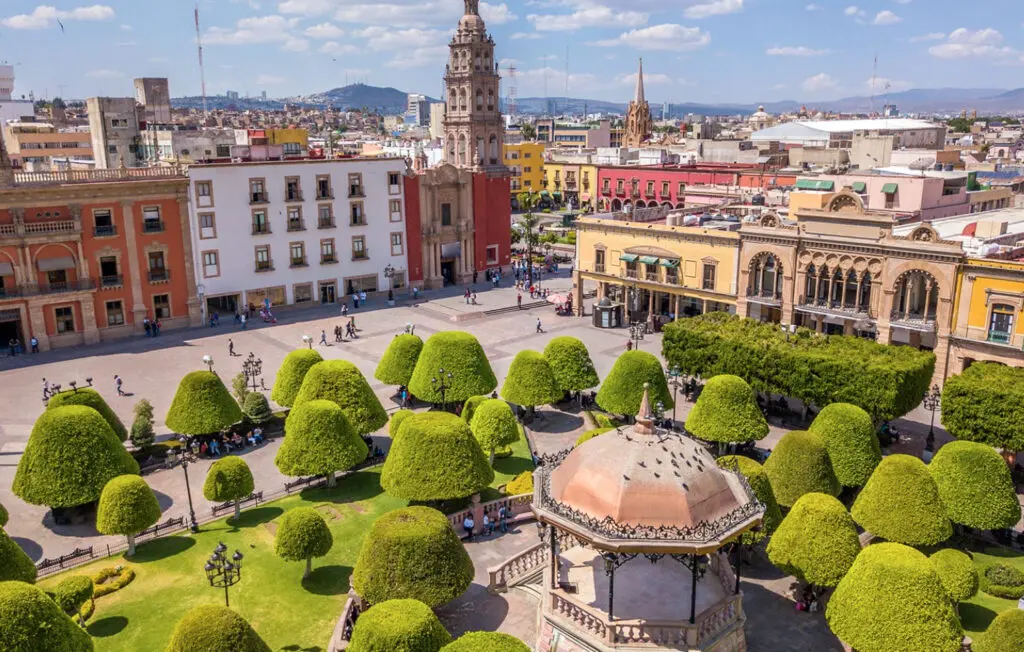
The decision to retire abroad is a significant one, prompting a reevaluation of life choices, financial planning, and personal comfort zones. For many Americans contemplating this transition, the allure of a different culture, a lower cost of living, or simply a change of scenery can be compelling. Anne Nicolai, a writer and entrepreneur, embarked on this journey in 2008, trading her corporate career and Minnesota residence for a freelance lifestyle and the vibrant atmosphere of San Miguel de Allende, Mexico. Her experiences, spanning over a decade, offer valuable insights for others considering a similar path.
Nicolai, who now hosts MoveToMexico.org, shared five key lessons gleaned from her extensive time as an expatriate. These lessons highlight the transformative power of embracing the unknown, the importance of community and preparation, the pervasive influence of technology, the enriching nature of cultural immersion, and the reassuring understanding that returning home is always an option.
Embracing the Unexpected: Personal Growth and Resilience
Nicolai’s first lesson underscores a profound personal revelation: "You are capable of more than you give yourself credit for." Her initial years in Mexico were marked by linguistic struggles, currency conversion challenges, and a perceived lack of rhythm, a stark contrast to her current self. Fourteen years later, she is not only bilingual but also a confident karaoke host and adept dancer, a testament to sustained effort and adaptation.
"When I first arrived, even simple tasks felt monumental," Nicolai recalled in an interview. "Navigating the bureaucracy for visas, for instance, was an extensive process. My temporary residency required three renewals, with one demanding nine separate visits to the immigration office. Obtaining permanent residency felt like a marathon. And the recurring, multi-day drives between San Miguel and Minneapolis, often undertaken solo, pushed my boundaries considerably. Surviving being lost and encountering occasional shakedowns for bribes were not pleasant experiences, but they undeniably expanded my comfort zone."
This journey of overcoming obstacles is a common thread among expatriates. Data from the U.S. Census Bureau indicates a steady, albeit sometimes fluctuating, population of American citizens residing abroad. While precise figures for retirees are difficult to isolate, surveys by organizations like International Living consistently report a significant portion of their readership expressing interest in or actively living in retirement abroad. Nicolai’s experience aligns with this trend, demonstrating how confronting and resolving daily challenges abroad fosters a deep sense of self-efficacy. The ability to manage complex administrative procedures, adapt to unfamiliar transportation systems, and navigate unexpected difficulties builds a robust form of resilience that can be profoundly empowering.
The Power of Community: Safety in Numbers and Cultural Integration
The second lesson emphasizes the critical role of community in ensuring safety and security when living abroad: "There is safety in numbers." Nicolai acknowledges that establishing oneself in a new country necessitates a heightened awareness of personal security. She describes common protective measures in Mexico, such as decorative ironwork on windows and doors, and fortified garden walls, which are practical responses to local realities. The cautionary advice to never leave valuables unattended in a vehicle or walk alone late at night on unlit streets reflects a necessary adjustment in daily habits.
However, Nicolai points out that integrating into an established expat community significantly mitigates these concerns. "In San Miguel, for example, the emergency services have English-speaking operators, and there’s a direct line to the American consular agency," she explained. "Beyond official support, the local population is generally accustomed to interacting with expatriates, leading to a greater prevalence of English speakers. This allows for diverse living arrangements, from gated communities primarily occupied by expats to entirely Spanish-speaking neighborhoods like the one I choose. For me, true safety lies in knowing my neighbors well enough to feel secure asking for help in times of need."
The presence of a substantial expatriate community offers a dual benefit: it often translates into a more developed infrastructure for security and support, and it facilitates social integration. Research on expatriate adjustment consistently highlights the importance of social networks. A 2019 study published in the Journal of Cross-Cultural Psychology found that strong social ties, both with fellow expatriates and locals, are crucial predictors of well-being and successful acculturation. This network provides practical information, emotional support, and a sense of belonging, which are invaluable for navigating the initial challenges of living in a foreign country.
Bridging Distances: Technology as a Connector
Nicolai’s third lesson focuses on the transformative impact of technology: "Technology will keep you connected." In an era where high-speed internet and affordable mobile services are increasingly ubiquitous, the physical distance separating retirees from their loved ones back home has become less of a barrier.
"Modern technology ensures that no matter how far you are, you can maintain meaningful connections," Nicolai stated. "Apps like WhatsApp, Duo, and Facetime provide free voice and video calls, allowing for real-time participation in family milestones, from birthdays to holidays with grandchildren. Telehealth options mean you can consult with your doctor or therapist remotely, and managing finances, such as paying bills online or having Social Security direct-deposited into foreign accounts, is straightforward."
Beyond personal connections, technology also serves as a vital tool for integrating into the new community. Nicolai notes the prevalence of expat forums on platforms like Facebook in San Miguel, which act as virtual town squares. These online spaces disseminate crucial information about local events, practical tips, and even alerts, fostering a sense of collective awareness and shared experience. Furthermore, navigation apps like Google Maps and Waze, powered by reliable internet access, simplify daily logistics, from finding local markets to locating public transportation. The widespread adoption of these technologies has fundamentally altered the expatriate experience, making it more accessible and less isolating than in previous generations.
Cultural Immersion: A Catalyst for Personal Transformation
The fourth lesson delves into the profound personal changes that arise from immersing oneself in a different culture: "Immersion in another culture will change you for the better." Nicolai contrasts her former "Type A" American lifestyle, characterized by consumerism and a demanding professional pace, with the values she has cultivated in Mexico.
"While I cherish aspects of my home in Minnesota and the United States, I was drawn to Mexico by a desire for more sunshine, vibrant colors, ethnic diversity, and the intellectual stimulation of learning a new language," she explained. "After 14 years here, I’ve discovered the immense value of patience, humility, and simplicity. My purchasing habits have shifted dramatically; my needs are largely met by food and music. My wardrobe, largely consisting of the clothes I brought with me, still fits, partly because life in Mexico encourages more walking, dancing, and healthier eating habits."
This transformation aligns with broader observations about the psychological benefits of cultural immersion. Living in a different society often necessitates a recalibration of priorities, encouraging a focus on experiences over material possessions. The slower pace of life often found in many expat destinations, coupled with a greater emphasis on community and interpersonal relationships, can lead to a more balanced and fulfilling existence. Friends of Nicolai living in other expat hubs globally have reported similar shifts, suggesting this is a widespread phenomenon among those who embrace life abroad. This process of adaptation and learning fosters a deeper understanding of oneself and the world, promoting personal growth and a more mindful approach to life.
The Freedom of Choice: The Option to Return
Nicolai’s fifth and perhaps most reassuring lesson is: "You can always go home." This understanding dispels the myth that retiring abroad is a permanent, irreversible decision. She highlights the experiences of numerous expat retirees who have lived in Mexico for decades, as well as those who have chosen to return to their home countries for health reasons or to be closer to family.
"There is no single ‘right’ way to retire, no perfect timing, and no definitive ‘right’ or ‘wrong’ place," Nicolai emphasized. "It’s a journey of exploration, of trial and error, not a test of success or failure. For me, Mexico is home now, but that doesn’t preclude the possibility of living in the United States again. My current plan is to spend my remaining years here, but the freedom to change my mind is always present."
This perspective is crucial for demystifying the expat experience. The decision to move abroad is often viewed with a degree of finality, which can be daunting. Recognizing that retirement locations can be fluid, and that people can and do relocate multiple times, alleviates this pressure. Whether it’s a return to one’s native country, a move to another international destination, or even a temporary return, the knowledge that such options exist empowers individuals to take the leap with greater confidence. Nicolai’s narrative illustrates that retiring abroad is not about abandoning one’s past but rather about expanding one’s present and future possibilities, with the security of knowing that familiar shores are never truly out of reach.
The decision to retire as an expatriate is a multifaceted one, involving careful planning, emotional fortitude, and a willingness to embrace the unknown. Anne Nicolai’s journey from corporate executive to freelance karaoke host in Mexico offers a compelling testament to the personal growth, community building, technological connectivity, cultural enrichment, and ultimate freedom of choice that such a transition can afford. Her insights serve as a valuable guide for anyone contemplating a retirement beyond their native borders, emphasizing that the adventure of a lifetime often begins with a single, courageous step.

