
The Middle East finds itself on a precarious precipice, with escalating tensions raising fears that what began as "Operation Epic Fury" – a significant military initiative widely understood to be led by the United States and its allies – is rapidly devolving into a broader regional conflict, potentially even a global flashpoint, despite expectations that major powers like Russia and China may initially remain on the sidelines. A stark illustration of this perilous trajectory emerged on Wednesday, March 5, 2026, when a ballistic missile, launched from Iran, traversed Iraqi and Syrian airspace before being decisively intercepted and shot down by NATO air defenses as it approached Turkish territory, according to an official statement from Turkey’s Ministry of National Defense. This unprecedented direct engagement marks a significant escalation in a conflict that the White House had initially characterized as "limited."
The Incident: A Ballistic Missile Intercepted Over Turkey
The dramatic interception occurred at approximately 10:45 AM local time on Wednesday, marking a critical turning point in the escalating regional crisis. Turkish defense officials reported that their advanced radar systems, integrated into the broader NATO air and missile defense network, detected the ballistic munition shortly after its launch from Iranian territory. The missile’s trajectory was meticulously tracked as it arced over the sovereign airspace of Iraq and Syria, creating an immediate and grave concern among allied command centers monitoring the region.
As the projectile continued its westward trajectory, posing a direct threat to NATO member Turkey, a rapid decision was made to engage. NATO air and missile defense assets, strategically positioned in the eastern Mediterranean – likely involving a combination of land-based Patriot missile batteries and naval Aegis-equipped destroyers – were activated. These sophisticated systems successfully engaged the incoming missile, rendering it inactive before it could penetrate Turkish airspace or reach any intended target. This unprecedented direct engagement of an Iranian ballistic missile by NATO forces underscores the severe nature of the current geopolitical climate and the heightened state of alert across the alliance’s southern flank.
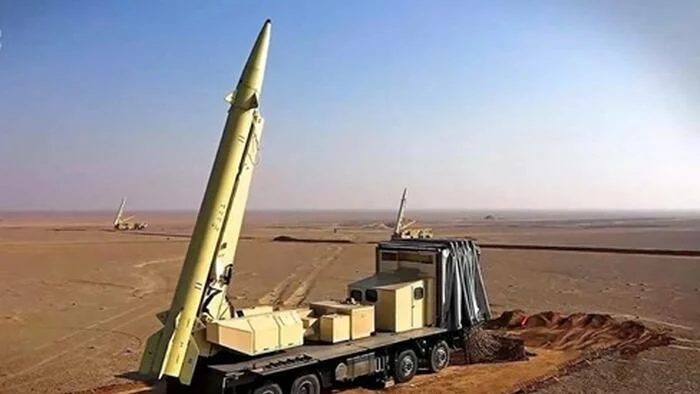
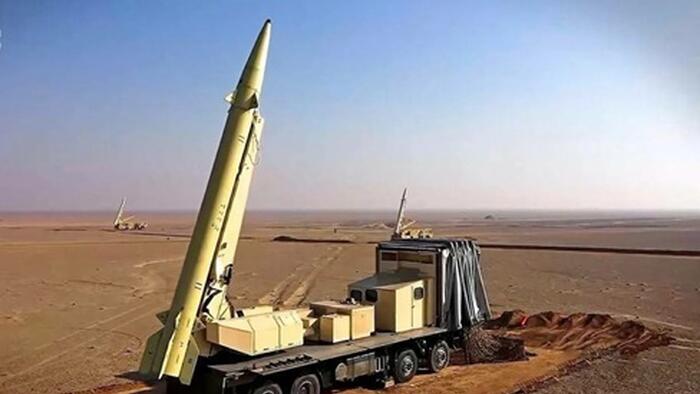
While no casualties or damage were reported from the intercept itself, the incident sent immediate shockwaves through diplomatic and military circles worldwide. It represents a significant escalation, transitioning from proxy conflicts and localized skirmishes to a direct military confrontation involving a major alliance and a state actor. The type of missile, though not officially disclosed, is believed by intelligence analysts to be an Iranian-made medium-range ballistic missile, potentially from the Fateh or Zolfaghar series, known for their precision strike capabilities and operational ranges suitable for reaching targets within Turkey from western Iran. The Zolfaghar, for instance, has a reported range of 700 km and utilizes a solid propellant, allowing for quicker launch times and greater mobility. Its reported accuracy and maneuverability make its interception a testament to the sophistication of NATO’s integrated air defense architecture.
Context of Escalation: Operation Epic Fury and Regional Volatility
The current surge in hostilities is understood to be a direct consequence of "Operation Epic Fury," a multi-national military operation initiated by the United States and its allies several weeks prior. While specific details of Operation Epic Fury remain classified, it is widely believed to be aimed at dismantling critical infrastructure and command-and-control networks of Iranian-backed militias and proxy forces operating across Iraq, Syria, and Yemen, which Washington and its allies contend are destabilizing the region and threatening international shipping lanes. The operation was initially framed by the White House as a "limited" and "proportionate" response to a series of attacks on U.S. interests and allied shipping in the Persian Gulf and Red Sea.
However, the events of the past week, culminating in the ballistic missile intercept, suggest that the parameters of "limited" are rapidly expanding. The region has been gripped by a cycle of retaliatory strikes and counter-strikes, with Iranian-backed groups launching drone and rocket attacks, and the U.S. and its partners responding with precision airstrikes against militant targets. This latest incident, however, marks a qualitative leap, demonstrating Iran’s willingness to employ its conventional ballistic missile arsenal and NATO’s readiness to defend its territory with direct military action. The backdrop to this crisis is decades of simmering tensions between Iran and the West, exacerbated by disagreements over Iran’s nuclear program, its regional influence, and its support for various non-state actors. The current administration in Washington has adopted a more assertive stance, aiming to deter what it perceives as Iranian aggression. This has created a highly combustible environment where miscalculation or overreaction from any party could quickly ignite a wider conflagration.
NATO’s Decisive Response and Article 5 Deliberations
Following the successful intercept, Pentagon Chief Pete Hegseth was quick to address the situation in a fresh briefing, seeking to temper immediate concerns about a broader escalation. "On the matter with Turkey, I’ll have to get back to you on exactly what the intercept looked like," Hegseth stated, implying an ongoing assessment. Crucially, he added, "We’re aware of that particular engagement, although no sense that it would trigger anything like Article 5."
Article 5 of the North Atlantic Treaty is the cornerstone of NATO’s collective defense principle, stipulating that an armed attack against one member state shall be considered an attack against all. Invoking Article 5 would necessitate a collective military response from all 32 NATO allies. Hegseth’s immediate effort to downplay this possibility reflects a cautious approach aimed at preventing the incident from spiraling into an all-out war between NATO and Iran. While an attack on Turkish soil by a ballistic missile would certainly meet the criteria for an "armed attack," the successful interception by NATO assets before impact might be used to argue that the attack was thwarted, thus reducing the immediate imperative for a full Article 5 declaration, though the underlying threat remains. The Pentagon’s position seems to be an attempt to manage the narrative and avoid further inflaming an already volatile situation, prioritizing de-escalation over an immediate, potentially drastic, military response.
Nonetheless, NATO’s official response was swift and unambiguous in its solidarity with Turkey. A command statement released shortly after the incident unequivocally condemned Iran’s "targeting of Turkey" and declared, "The Alliance stands firmly with all Allies, including Turkiye." The statement further emphasized, "Our deterrence and defense posture remains strong across all domains, including when it comes to air and missile defense." This robust declaration underscores NATO’s commitment to defending its member states and projecting a unified front against external threats, even as diplomatic channels work to de-escalate. The alliance’s integrated air defense systems, which span from the Arctic to the Mediterranean, played a crucial role in the rapid detection and engagement, showcasing their readiness in a dynamic threat environment.
Turkey’s Diplomatic Offensive and Regional Tensions
Turkey, as the direct target of the ballistic missile, reacted with a mixture of firm resolve and diplomatic caution. In a sharply worded statement Wednesday, Turkey’s Ministry of National Defense detailed the incident: "A ballistic munition launched from Iran, which was detected passing through Iraqi and Syrian airspace and heading towards Turkish airspace, was engaged in a timely manner by NATO air and missile defense assets stationed in the eastern Mediterranean and rendered inactive."
While Ankara acknowledged the successful interception and reported no casualties, it stressed that it "reserves the right to respond" to any hostile act, a standard diplomatic posture asserting national sovereignty and self-defense. At the same time, the ministry urged all sides to show restraint, highlighting Turkey’s precarious position as a frontline state in the escalating conflict. This dual approach – affirming its right to self-defense while calling for de-escalation – reflects Turkey’s complex geopolitical calculus, balancing its NATO commitments with its significant economic and historical ties in the region. Turkey shares a long border with Iran and has historically maintained a delicate balance in its relations, despite ideological differences.
In a direct diplomatic response, Turkey promptly summoned the Iranian ambassador to Ankara to lodge a formal protest. Foreign Minister Hakan Fidan reportedly conveyed Turkey’s grave concerns directly to Iranian Foreign Minister Abbas Araghchi, warning that "any steps that could further widen the conflict must be avoided," according to Reuters. This high-level diplomatic engagement underscores the severity with which Turkey views the incident and its urgent desire to prevent a wider conflagration that could destabilize its borders and potentially draw it into a full-scale conflict with its neighbor. The summoning of an ambassador is a significant diplomatic censure, signaling profound disapproval and a demand for explanation and assurance regarding Iran’s intentions and future actions.
The Eastern Mediterranean: A Volatile Front
The ballistic missile incident is not an isolated event but rather the latest in a series of alarming developments that have turned the eastern Mediterranean into an increasingly tense and militarized zone. Just prior to Wednesday’s intercept, Cyprus, an EU member island-nation, temporarily shut down airspace over its Larnaca district after authorities detected what they described as a "suspicious object." While details surrounding this object remain scarce, it contributed to an atmosphere of heightened alert.
This follows an incident over the weekend where an Iranian-made drone caused minor damage at a UK military base situated on Cyprus. Subsequently, two additional drones were reportedly shot down on Monday, indicating a sustained pattern of aerial incursions targeting military installations on the island. These incidents suggest that the conflict, initially focused on mainland Middle Eastern territories, is now extending its reach to strategic island nations, potentially disrupting vital shipping lanes and air corridors. Cyprus, due to its proximity to the Levant and its hosting of British military facilities (Akrotiri and Dhekelia), serves as a crucial logistical hub and intelligence gathering point for Western powers operating in the region. The targeting of these facilities underscores the broadening scope of the conflict and the willingness of actors to strike at perceived Western interests across a wider geographical expanse. The repeated drone incursions highlight the challenges of air defense in a saturated battlespace, even for technologically advanced forces, and raise questions about the origin and control of these unmanned aerial vehicles.
Global Implications and the Shadow of Wider Conflict
The rapid escalation from "limited operations" to direct NATO engagement of Iranian ballistic missiles within five days of "Operation Epic Fury" commencing has profound global implications. The initial White House assurances of a contained operation now appear increasingly difficult to uphold. The prospect of a regional war drawing in more actors looms large, with some analysts even invoking the specter of a "WW3 scenario," though the general consensus among intelligence agencies is that large powers like Russia and China are expected to remain on the sidelines, at least militarily, in the initial stages. Their involvement would likely be diplomatic, economic, or through proxy support rather than direct military intervention. However, the risk of miscalculation remains high, particularly given the intricate web of alliances and rivalries in the Middle East.
The potential for a ground war is also being openly discussed in some quarters. Representative Jim Comer, a prominent voice, was quoted as saying, "boots on the ground" in Iran are "sometimes unavoidable in a situation like this." While such statements from individual lawmakers do not represent official policy, they reflect a hawkish sentiment that could gain traction if the conflict continues to intensify, pushing the envelope beyond air and naval engagements. A ground invasion of Iran would be an undertaking of immense scale and catastrophic human cost, far surpassing any recent conflict in the region, with potentially destabilizing consequences for global security.
Beyond the immediate military concerns, the escalating crisis carries significant economic repercussions. Global oil prices have already shown volatility, and a full-scale regional conflict could severely disrupt oil and gas supplies from the Persian Gulf, impacting global energy markets and potentially triggering an international recession. Shipping lanes, already threatened in the Red Sea and Persian Gulf, face further risks, increasing insurance premiums and supply chain disruptions. The humanitarian cost would also be immense, with the potential for millions more refugees, further straining international aid organizations and neighboring countries already grappling with existing crises.
The incident serves as a stark reminder of the fragile balance of power in the Middle East and the interconnectedness of regional conflicts with global stability. The deliberate targeting of a NATO ally, even if thwarted, represents a dangerous precedent and a direct challenge to the international security architecture.
The Path Forward: Calls for De-escalation
As the region teeters on the brink, calls for de-escalation and diplomatic solutions are growing louder from various international bodies and moderate voices. The concerted efforts by Turkey to engage Iran diplomatically, even while asserting its right to self-defense, reflect a desire to pull back from the abyss. The United Nations Security Council is expected to convene an emergency session to discuss the escalating crisis, with member states likely to issue calls for restraint and adherence to international law. However, the path to de-escalation is fraught with challenges, given the deep-seated animosities and the proliferation of armed actors across the region. The immediate priority remains preventing further direct military engagements and opening channels for meaningful dialogue to avert a catastrophic regional war. The world watches with bated breath, hoping that cooler heads will prevail in this moment of extreme peril.

