
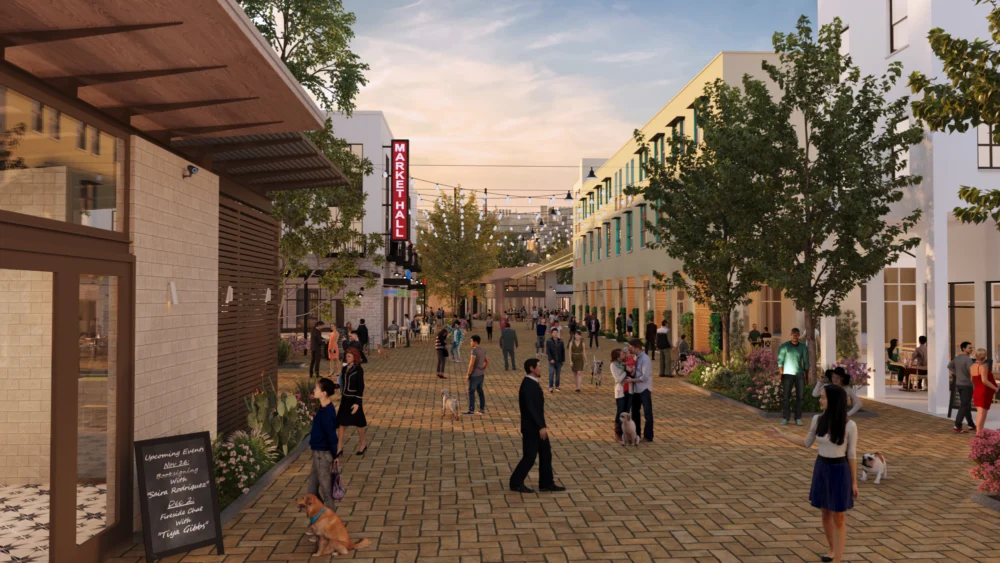
A radical proposal to reorient urban planning around human needs rather than automotive convenience is gaining significant traction, promising a monumental shift in global wealth, public health, and overall quality of life. This ambitious vision, championed by influential voices in personal finance and sustainable living, suggests that prioritizing pedestrian and cyclist infrastructure over car-centric design could unlock unprecedented economic prosperity, with projections indicating a boost of over $7 trillion annually for the United States alone. The concept moves beyond mere environmental considerations, positing that a fundamental restructuring of urban spaces holds the key to solving a myriad of societal problems, from chronic health issues to financial strain.
The Economic Imperative of Human-Centric Cities
At the heart of this transformative idea lies an undeniable economic argument. Proponents contend that the current car-dependent urban model represents a colossal misallocation of resources, both public and private. The costs associated with car ownership—including vehicle purchase, insurance, fuel, maintenance, and depreciation—are a significant drain on household budgets. According to AAA’s 2023 "Your Driving Costs" study, owning a new car costs an average of $12,182 per year, a figure that often rises with larger vehicles and higher mileage. When multiplied across millions of households, this translates into trillions of dollars annually diverted from savings, investments, or other discretionary spending.
Beyond individual expenses, cities bear the immense burden of constructing and maintaining extensive road networks, bridges, and parking infrastructure. These public expenditures often come at the expense of other vital services or lead to increased taxes. Research by organizations like Strong Towns highlights how conventional suburban development, heavily reliant on car infrastructure, often fails to generate sufficient tax revenue to cover its long-term maintenance costs, creating a Ponzi scheme of growth that continually demands new expansion.
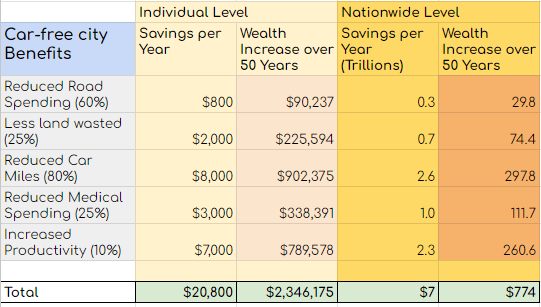
By contrast, a human-centric urban design drastically reduces these overheads. The elimination or significant reduction of personal car ownership frees up substantial personal capital, which can then be reinvested or spent locally, stimulating economic activity. On a municipal level, freed from the perpetual cycle of road expansion and repair, governments can redirect funds towards public amenities, green spaces, affordable housing, or robust public transit systems. The cumulative effect, as estimated, could lead to a life boost of over $20,000 per person per year, compounding to well over $2 million over an adult lifetime. Nationally, this translates into a potential boost of approximately $7 trillion per year for the United States, compounding to an astounding $770 trillion over five decades – a figure that surpasses the current total amount of human wealth on the entire planet. This economic efficiency is not merely theoretical; it is a direct consequence of reclaiming vast swathes of land currently dedicated to vehicle movement and storage and repurposing them for higher-value, human-focused uses.
Reclaiming Space: The Hidden Cost of Car-Centric Design
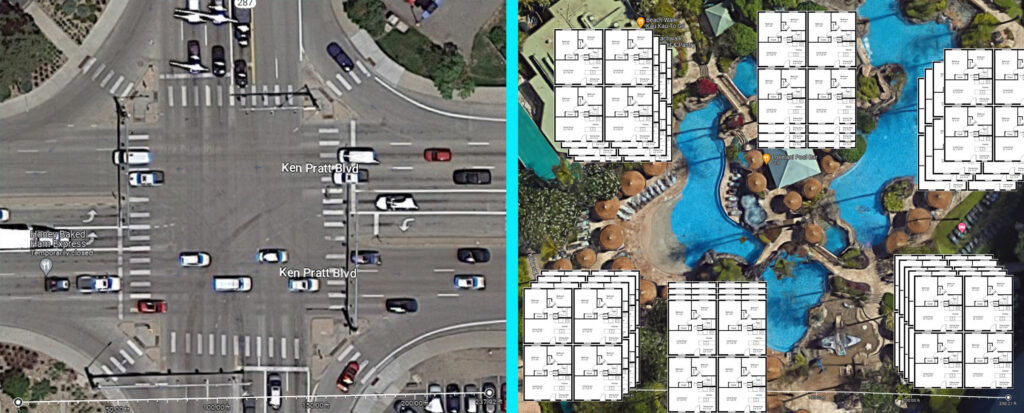
One of the most visually striking aspects of this urban planning revolution is the dramatic repurposing of land. Contemporary cities, particularly in North America, allocate an astonishing amount of space to cars. Parking lots, multi-lane roads, and complex intersections consume square miles that could otherwise be used for housing, parks, businesses, or public gathering spaces. For instance, a single parking space often occupies the same footprint as a small apartment unit. Consider a typical urban intersection, which can easily span 250 by 250 feet, equating to approximately 1.5 acres of land. In a car-centric model, this space is transient, facilitating movement but rarely fostering community or economic density.
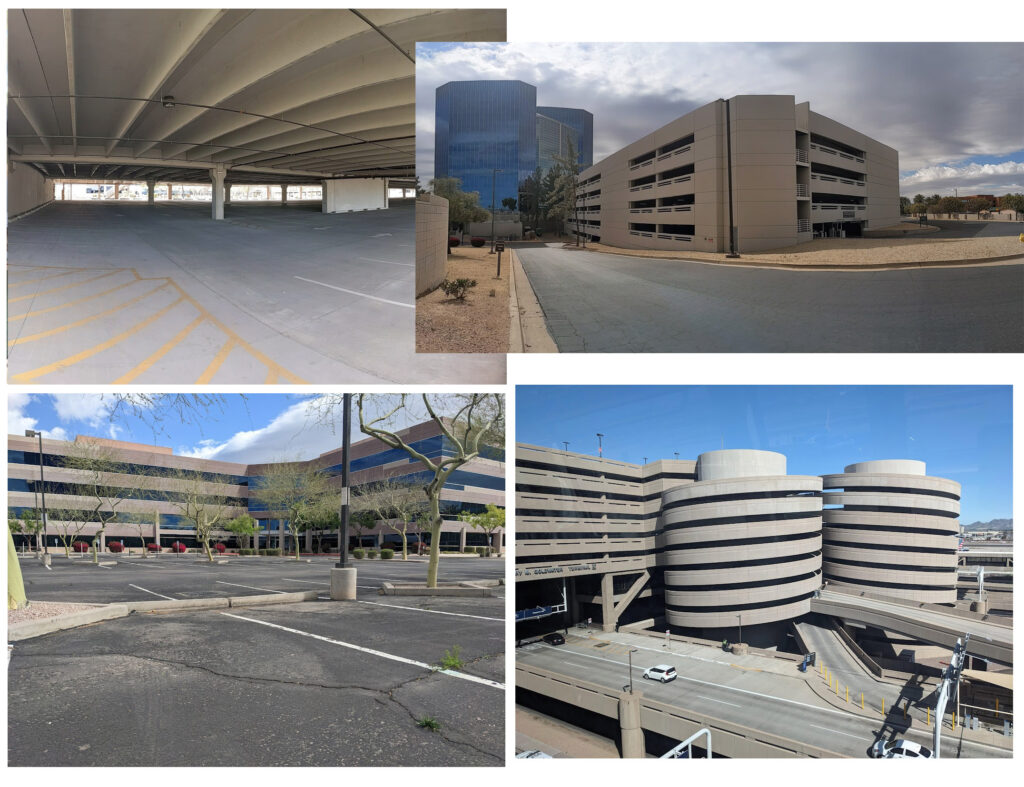
In a human-centric model, that same 1.5 acres could host a vibrant, mixed-use development, potentially housing hundreds of people in comfortable apartments, complete with integrated amenities like grocery stores, restaurants, green spaces, and recreational facilities. The transformation from asphalt wasteland to thriving community hub represents not just an aesthetic improvement but a profound increase in land value and utility. The prevalence of sprawling parking lots, often sitting empty for significant portions of the day, particularly in areas like Phoenix, Arizona, underscores the inefficiency inherent in car-obsessed urban planning. This distributed, wasted space contributes to urban sprawl, making everything further apart and necessitating car travel, thereby perpetuating the very problem it seeks to solve.
A Holistic Approach to Health and Happiness
Beyond the undeniable economic advantages and efficient land use, the shift towards people-centric cities promises significant improvements in public health and social well-being. Car-dependent lifestyles contribute to a sedentary culture, exacerbating chronic health conditions such as obesity, heart disease, and diabetes. The constant exposure to vehicle emissions also leads to elevated rates of respiratory illnesses and other environmental health concerns. Furthermore, the noise and danger associated with heavy traffic reduce opportunities for spontaneous social interaction and outdoor activities, leading to more isolated communities.
In contrast, walkable and bikeable cities inherently promote physical activity. When daily errands, commuting, and leisure activities can be accomplished on foot or by bicycle, residents naturally integrate exercise into their routines. This active lifestyle has documented benefits for physical health, reducing the incidence of chronic diseases and lowering healthcare costs. Moreover, the creation of vibrant public spaces, parks, and pedestrian zones fosters stronger community bonds, encouraging social interaction and reducing feelings of isolation. Studies have consistently shown that residents of walkable neighborhoods report higher levels of happiness and satisfaction with their living environment. The reduction in traffic noise and improved air quality also contribute to a less stressful and more pleasant urban experience. These holistic benefits — from healthier bodies and minds to stronger community ties — create a more resilient and enjoyable urban fabric.
Culdesac Tempe: A Blueprint for the Future
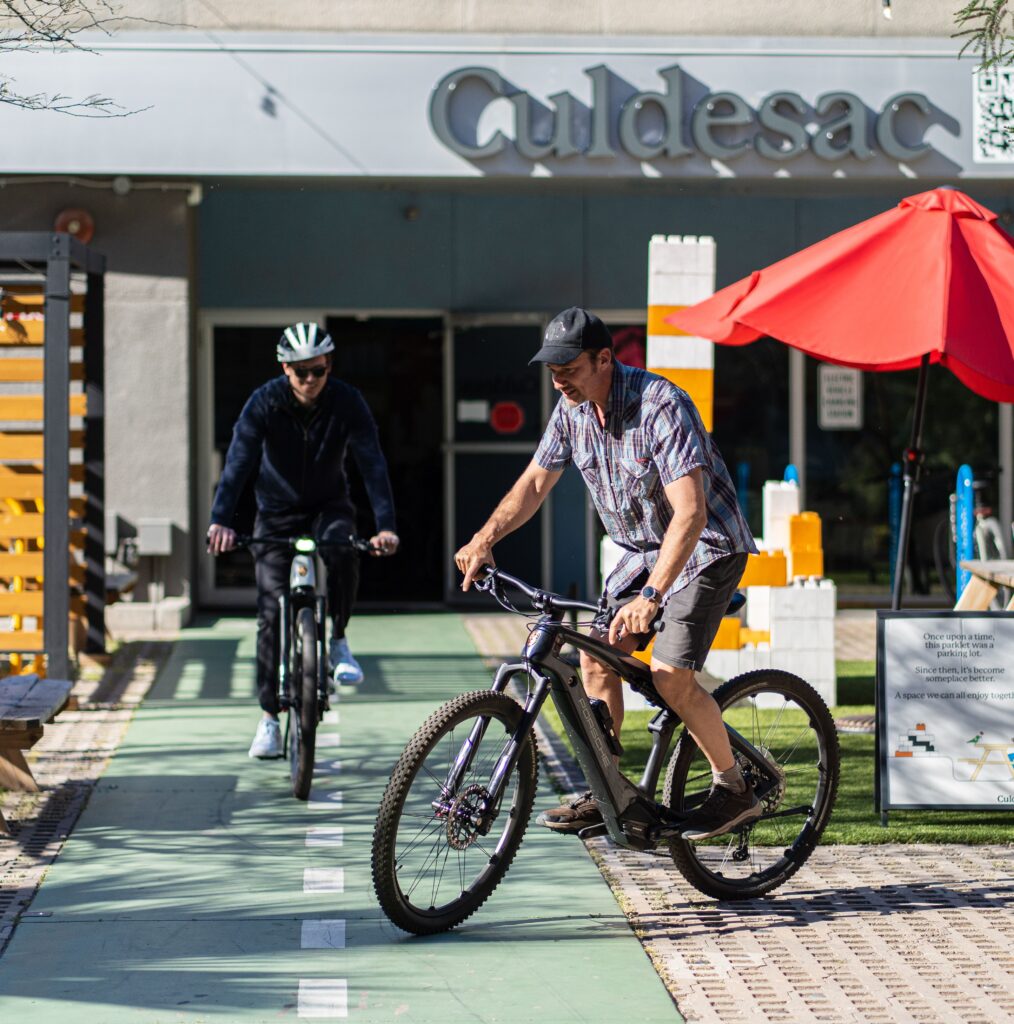
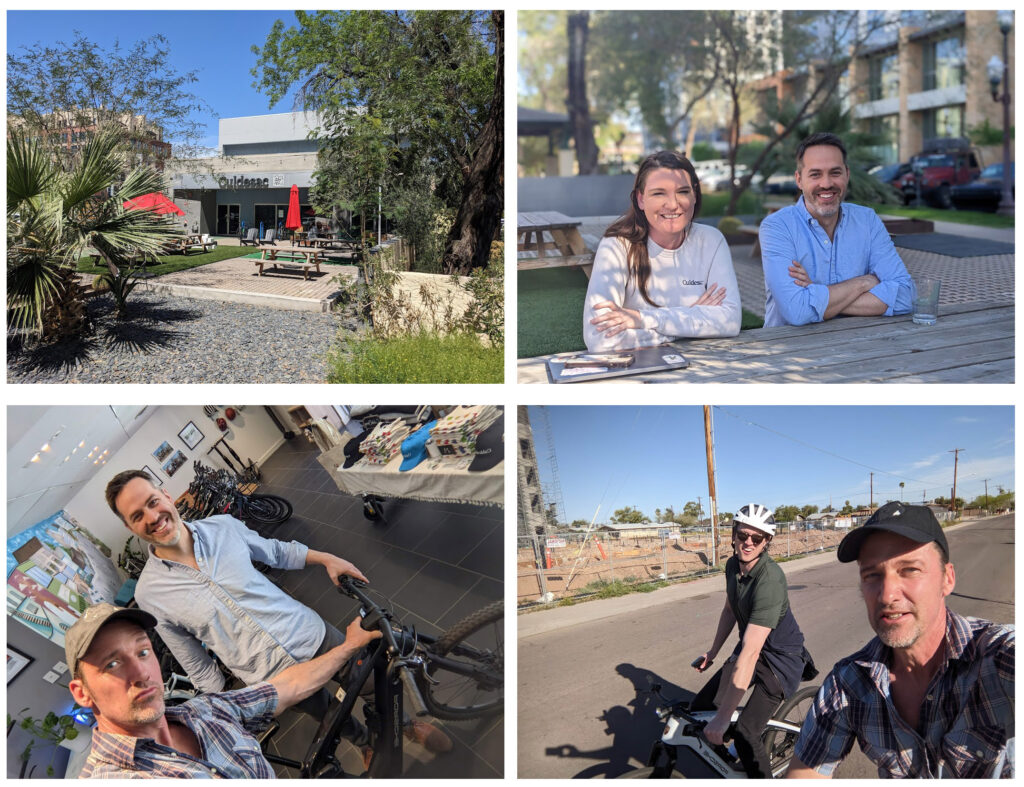
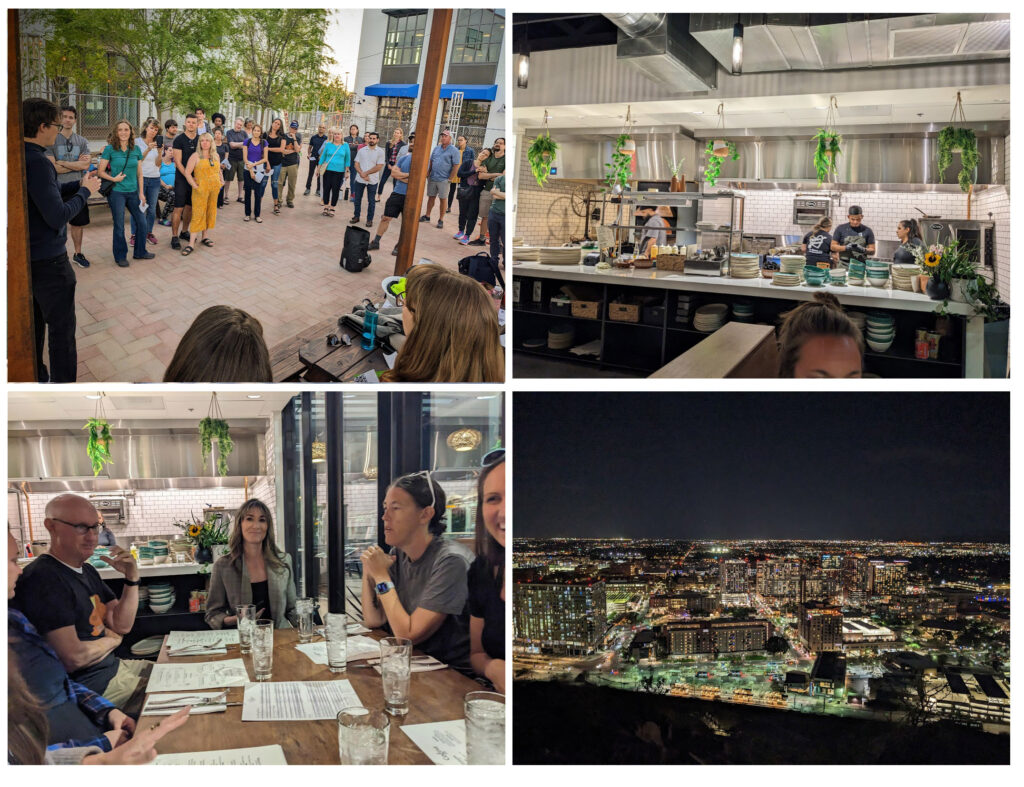
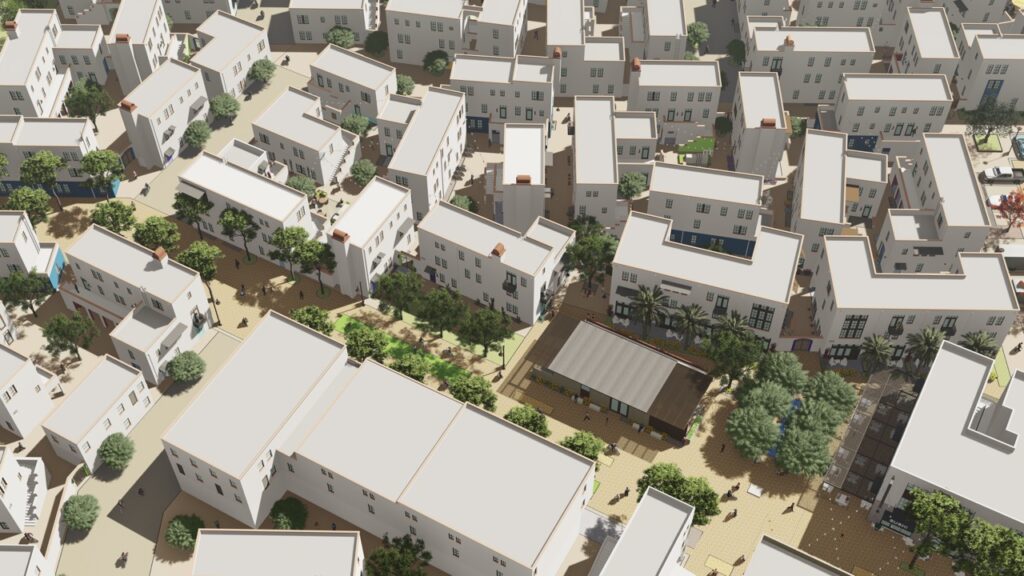
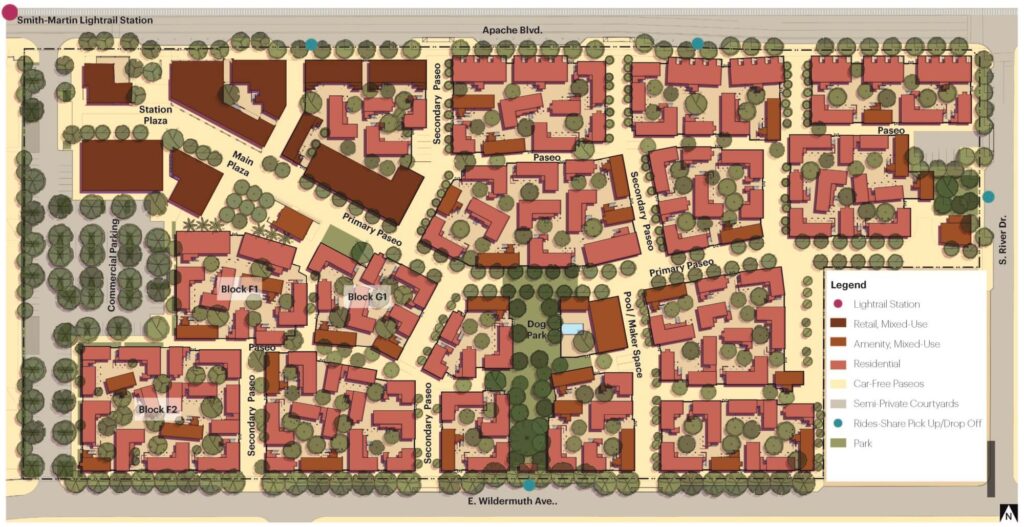
While the vision of car-free cities might seem utopian, tangible examples are already emerging, demonstrating the practical feasibility and immense appeal of this model. One pioneering project is Culdesac Tempe, located in Tempe, Arizona, which represents the United States’ first ground-up, car-free neighborhood designed for 1,000 residents. This 17-acre development serves as a living laboratory for human-centric urbanism, offering a stark contrast to the sprawling, car-dominated landscape of the wider Phoenix metropolitan area.

Developed by Culdesac Inc., co-founded by Jeff Berens and Ryan Johnson, the project faced considerable bureaucratic hurdles, navigating existing zoning laws and entrenched attitudes. However, through innovative planning and persistent advocacy, they secured the necessary approvals to create a community where personal vehicles are not required or even widely accommodated. Instead of vast parking lots, Culdesac Tempe features beautifully landscaped walking paths, shaded courtyards, and communal gathering spaces, drawing inspiration from Mediterranean urban design principles. The architecture and layout prioritize natural ventilation and shade to combat Arizona’s intense heat, maximizing comfort for pedestrians and cyclists.
The neighborhood integrates a comprehensive suite of amenities directly into the living environment, eliminating the need for residents to drive for daily necessities. These include a grocery store, restaurants, a coffee shop, a co-working space, a gym, a pool, and even a dog park. This mixed-use approach ensures that essential services and leisure options are within a 5-10 minute walk or bike ride for all residents. Furthermore, Culdesac Tempe is strategically located near a light rail station, offering residents seamless access to the wider Tempe and Phoenix metro area, including the airport and Arizona State University. An annual pass to the public transit system is included with rent, further incentivizing car-free living. For longer trips or specific needs, the community provides access to a fleet of shared electric vehicles and a wide selection of electric bikes and scooters. This multi-modal approach ensures mobility and convenience without the burden of private car ownership.

Early reactions from residents and visitors alike have been overwhelmingly positive, highlighting the enhanced sense of community, reduced stress, and improved quality of life. The success of Culdesac Tempe is being closely watched by urban planners, developers, and municipalities globally, as it offers a scalable and financially sustainable model for future urban development.
Addressing Skepticism and Paving the Way Forward
Despite the compelling arguments and successful pilot projects, the transition to people-centric cities is not without its critics and challenges. Common objections often revolve around the perceived inconvenience of giving up personal cars, concerns about accessibility for individuals with disabilities, and the logistics of deliveries and emergency services.
Proponents of car-free urbanism actively address these concerns. The core premise is not to eliminate vehicles entirely but to dramatically reduce their necessity for daily life. Dedicated service roads, shared electric vehicle fleets, and improved public transit can efficiently handle deliveries, emergency services, and provide mobility assistance. For individuals with disabilities, well-designed, barrier-free pedestrian infrastructure and accessible public transport are paramount. The emphasis shifts from universal car ownership to universal mobility options tailored to individual needs.
The journey towards widespread adoption of people-centric urban planning requires significant policy reform, particularly in overturning outdated zoning laws that mandate excessive parking and prioritize vehicle throughput over human comfort and safety. It also necessitates a shift in public perception, moving away from the deeply ingrained cultural attachment to personal automobiles. Education and awareness campaigns, coupled with visible successes like Culdesac Tempe, are crucial in demonstrating the tangible benefits and overcoming resistance to change.
Initiatives like those advocated by figures such as Kevin Dahlstrom, who has publicly campaigned for car-free cities, highlight the growing momentum and diverse support for this movement. This is not merely an environmentalist’s dream but a pragmatic economic and social strategy with broad appeal across different sectors.
The Broader Implications and Future Outlook
The implications of a global shift towards people-centric cities are profound and far-reaching. Environmentally, it promises a dramatic reduction in carbon emissions, cleaner air, and quieter urban environments, contributing significantly to climate change mitigation and improved public health. Economically, the reallocation of resources from car infrastructure to human infrastructure could catalyze an unprecedented boom in wealth creation, investment, and local commerce. Socially, it fosters more cohesive, vibrant, and equitable communities, where public spaces become arenas for interaction and recreation rather than mere transit corridors.
This vision is not about eliminating cars entirely, but rather rebalancing urban priorities to place human well-being at the forefront. It represents an opportunity to correct decades of urban planning mistakes that have inadvertently prioritized machines over people. The success of projects like Culdesac Tempe serves as a powerful testament to the viability and desirability of this paradigm shift. By embracing innovative design, challenging conventional wisdom, and fostering collaborative efforts between developers, local governments, and communities, the transition to truly human-centric cities is not only possible but increasingly inevitable. The stakes are undeniably high, with the potential to reshape our world for generations to come, creating richer, healthier, and more joyful lives for everyone.

