
Two years after challenging his own long-held principles of extreme frugality, Mr. Money Mustache (MMM), a prominent figure in the Financial Independence, Retire Early (FIRE) movement, has released a detailed accounting of his recent spending, revealing a significant shift towards an "abundance mindset" that nonetheless keeps him well within his established financial independence framework. The journey, initiated by the controversial purchase of a Tesla Model Y in 2023, showcases an evolving approach to wealth management and personal fulfillment in early retirement.
The Genesis of the Abundance Experiment
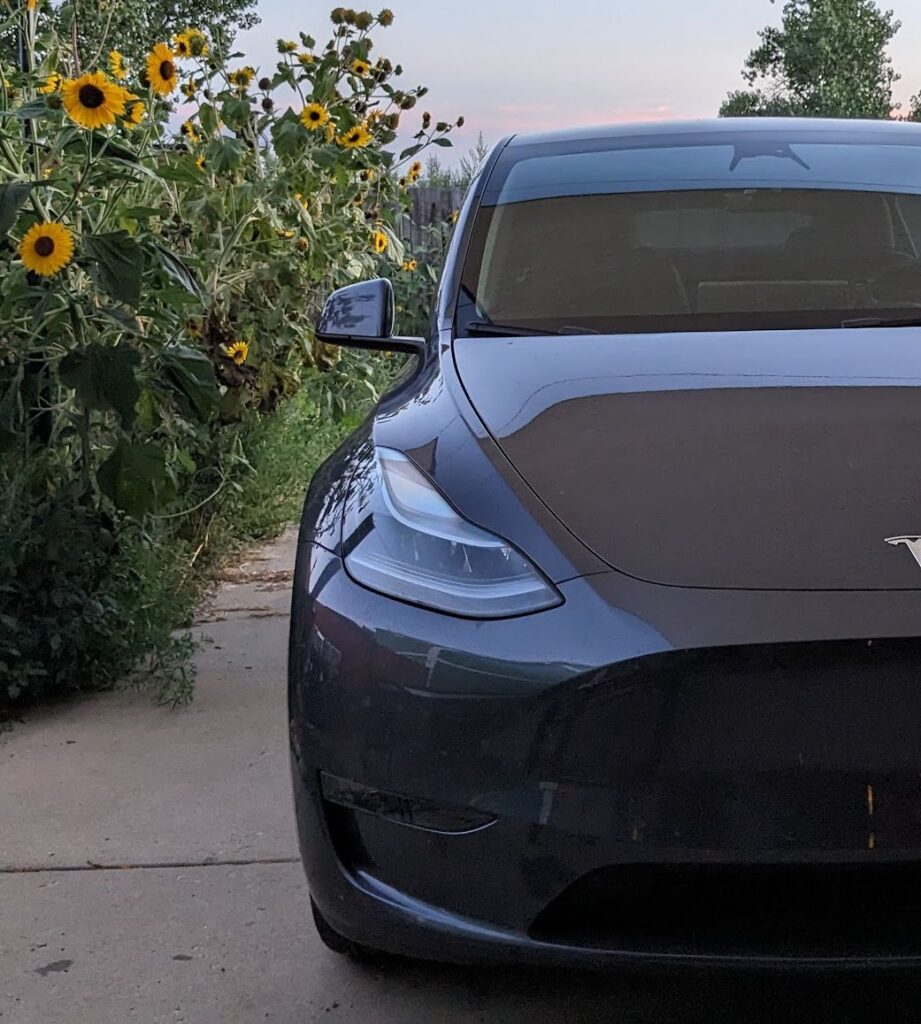
Mr. Money Mustache, whose real name is Pete, gained widespread recognition for his blog, which championed aggressive saving, minimalist living, and early retirement through financial independence. His teachings often emphasized a lean, optimized lifestyle, inspiring millions to re-evaluate their consumer habits. However, in April 2023, he stirred considerable discussion within his community by publishing a blog post titled "Why Buy Model Y?" In it, he announced his intention to deliberately increase his spending, signaling a departure from strict frugality to explore a more abundant lifestyle, with the electric vehicle purchase serving as a symbolic first step.
This move was perceived by some as a "credibility loss" for a figure synonymous with anti-consumerism. Yet, MMM framed it as a personal experiment, an exploration of what true wealth and early retirement could entail beyond mere financial security. He articulated a sentiment of confident self-actualization, reflecting on his status as an "enlightened middle-aged Badass" ready to adjust habits and realign for "the next forty-eight years of the Good Life." This pivot sparked conversations about the ultimate purpose of financial independence: is it solely about accumulation, or does it eventually lead to a more comfortable, experience-rich existence?
Two Years of Intentional Abundance
The period following the Tesla purchase, encompassing late 2023 and the entirety of 2024, saw MMM actively embrace his new spending philosophy. This was characterized by a conscious effort to prioritize experiences and convenience over cost-cutting, a stark contrast to his earlier public persona.

His lifestyle adjustments were tangible and varied. Dining out became an occasion for "special fun" at stylish restaurants, moving away from utilitarian food acquisition. Hotel bookings shifted from price-driven choices to those based on "niceness," indicating a desire for comfort and quality. Air travel saw an upgrade to "reduced torture" seats, a humorous but telling detail about his willingness to pay for a more pleasant experience. Even grocery shopping, once a bastion of extreme efficiency, expanded to include Whole Foods, despite its higher prices compared to his usual Sam’s Club and Costco (for which he maintained memberships at both, a minor luxury in itself).
Beyond daily expenditures, the two years were marked by a series of adventurous and culturally enriching experiences. Highlights included attending multiple late-night EDM concerts with his son, exploring three Meowwolf immersive art venues across the country, and embarking on a Christmas Day road trip from Tempe, Arizona, to Las Vegas. The timing of much of this exploration coincided with a period where he was a "single man," allowing for a wide-open schedule conducive to spontaneous meet-ups with friends, discovering new places, and forging new connections. He described this time as a "year of adventurous transition," so rich in experiences that it "felt like much more than twelve months."
Unpacking the Numbers: A Surprising Outcome
Despite this visible embrace of increased spending, MMM initially deferred a rigorous financial audit, enjoying the perceived abundance. The impetus to tally his expenditures arose from an informal coaching session with a friend, where both decided to compare their past year’s spending.
The revelation came upon consolidating all transactions into a spreadsheet and hitting the "sum" button. The results, he admits, were surprising. While his overall spending had indeed increased, particularly in travel-related categories, the "big-picture effect was still pretty minimal." His annual expenses, depending on how business expenses and the car’s accounting were handled, climbed from approximately $20,000 to roughly $30,000.
Crucially, this revised spending level remains comfortably sustainable by a $1 million investment nest egg, assuming a conservative 3% withdrawal rate. Given that his investments are "quite a bit higher than that," especially following recent years of "crazy economic growth and the never-ending stock market rally," his actual spending is still significantly "under budget." This outcome pleased him, not just for the financial confirmation, but because it affirmed that his "abundance mindset" had genuinely led to more enjoyment, paving the way for further "life experiments" in the years to come.
Categorical Analysis of Expenditures
A detailed breakdown of his spending for the review period (likely 2024, given the "2025/01" image dates) provides granular insights:
| Category | From Personal Card | From Business Card | Total | Details |
|---|---|---|---|---|
| Groceries | $5,465.56 | $494.83 | $5,960.39 | For MMM + young adult son about half the time + guests. This figure is notably higher than the typical single-person budget, reflecting a household of two adults part-time and entertaining. According to the USDA’s Thrifty Food Plan, a moderate-cost food plan for a male adult and a young adult male could range from $800-$1000 per month, placing MMM’s spending within a reasonable, albeit not extremely frugal, range for his household size. |
| Restaurants | $2,145.11 | $98.48 | $2,243.59 | Restaurants for "special fun rather than just getting food." This category saw a clear increase, aligning with his abundance experiment. |
| Travel | $3,982.00 | $2,176.77 | $6,158.77 | A significant jump, reflecting leisure travel (Meowwolf, EDM concerts) and "business travel" for events like Camp Fi and other conferences, blurring the lines between work and leisure in early retirement. |
| Utilities | $1,909.51 | $0 | $1,909.51 | Standard household utilities. |
| Amazon/House | $949.64 | $2,604.46 | $3,554.10 | Approximately 75% of the business portion covers construction materials for clients (often friends), reimbursed via invoice. The personal portion covers general household needs and online purchases. |
| Booze | $250.67 | $0 | $250.67 | Wine and other beverages, primarily for entertaining. |
| Healthcare | $813.20 | $2,723.46 | $3,536.66 | This category is a new and critical expense for early retirees. His strategy involves Sedera Health Sharing and a Direct Primary Care (DPC) subscription, plus advanced screening blood tests. The combined cost of $308/month is significantly lower than many traditional insurance plans. |
| Automobile | $2,191.68 | $233.53 | $2,425.21 | Primarily car insurance and registration for his vehicles, including the Tesla Model Y. Notably, this figure does not account for depreciation, a significant cost often overlooked in personal budgets. |
| Phone+Internet | $0 | $1,410.56 | $1,410.56 | Includes $50/month for Gigabit Internet and $25-30/month for Google Fi mobile service, demonstrating cost-effective choices even in an "abundance" phase. |
| Property Taxes | $2,577.30 | $0 | $2,577.30 | Described as "surprisingly reasonable given the $500-600k value of houses in my neighborhood," this is a fixed cost of homeownership. |
| Total | $20,284.67 | $9,742.09 | $30,026.76 |
Compared to his 2019 spending of approximately $20,000, the 2024 total of just over $30,000 represents a roughly 50% increase. However, this increase must be viewed in the context of significant inflation observed in the U.S. economy since 2019. For instance, the cumulative inflation from 2019 to late 2024, as measured by the Consumer Price Index (CPI), has been substantial, reducing the purchasing power of money. A dollar in 2019 is worth significantly less in 2024, meaning his $30,000 spend might represent a smaller real increase than the nominal figures suggest, or in some cases, even a real decrease in certain categories due to efficiency gains elsewhere.
Economic Backdrop and Financial Implications
The period under review coincided with a dynamic economic environment. The U.S. economy experienced a robust stock market rally, particularly from late 2022 through 2024, driven by factors such as strong corporate earnings and anticipation of easing monetary policy. The S&P 500, for example, saw significant gains during this time, bolstering investment portfolios like MMM’s. This "crazy economic growth" contributed to his feeling of greater financial security and the capacity to explore increased spending without concern.
One of the most significant factors keeping MMM’s overall spending low is the absence of housing costs. Having paid off his house years ago, he incurs no mortgage payments. Furthermore, his preference for self-sufficiency in home maintenance eliminates expenses for professional services like landscaping, plumbing, or general handyman work. This strategy provides "great peace of mind" and saves approximately $2,000 per year in house insurance, effectively boosting the return on his initial mortgage payoff. While he acknowledges that from a purely financial optimization standpoint, taking out a low-interest mortgage during the "sweet borrowing times of 2021" and investing the principal might have yielded greater returns (given the stock market’s performance), the emotional benefit of being debt-free outweighs this theoretical financial gain for him.
For early retirees, healthcare is often one of the most unpredictable and substantial expenses. MMM’s approach combines a Direct Primary Care (DPC) membership ($107/month) with a high-deductible plan from Sedera Health Sharing ($201/month), totaling $308 per month. This cost is notably lower than many traditional health insurance options, especially for individuals outside employer-sponsored plans or Medicare eligibility. For context, the average cost of individual health insurance in the U.S. in 2024 can easily exceed $500-$700 per month for plans with comparable coverage, let alone a "Bronze" plan. His DPC provides personalized support and zero deductible for most typical medical needs, while Sedera offers protection against larger medical bills. He attributes his low medical costs primarily to "good health and good luck" and emphasizes his proactive focus on maximizing health to avoid medical expenses in the first place.
Beyond the Budget: Pursuing "Self-Actualization"

Beyond the numbers, MMM’s reflection delves into the philosophical underpinnings of happiness and personal growth in early retirement. He subscribes to the principle that "fixing your persistent problems is more effective than just doubling down on things that are already good in your life." By this measure, much of his current life—his family, friends, relationships, health, food, and daily activities—is already "as good as I could imagine," requiring no significant improvement.
The primary "annoyance" he identifies is "physical chaos," stemming from his space-intensive hobbies like construction and music, which have outgrown his "pretty small house" and its 2-car, 440-square-foot garage. His ideal would be to double his workshop space to approximately a thousand square feet. However, he faces a dilemma: he deeply values his current location, including its views and neighbors, making him reluctant to move. This leads him to prioritize "optimizing what I’ve got" unless a perfect opportunity for a larger space arises within his immediate vicinity.
Looking further ahead, a "mountain compound with its own cliffs and stream" remains on his "maybe" list, a concept playfully represented by an AI-generated image of a "Friends Mountain Resort." Yet, he critically assesses this aspiration against his current reality: his days and life are already "overbooked with joyful things," and his existing house and coworking space ("HQ Coworking") already present extensive to-do lists. He questions whether adding "another place to my portfolio" would genuinely increase his happiness or simply add more commitments. This pragmatic evaluation leads him to keep such grander visions "on the shelf" until he’s willing to trade them for an existing commitment, such as selling his current home or the coworking space.
The Evolving Narrative of Financial Independence
Mr. Money Mustache’s two-year "abundance experiment" offers compelling insights into the evolving landscape of financial independence. It challenges the notion that FIRE, once achieved, necessitates a perpetual state of extreme frugality. Instead, it suggests that for those with substantial wealth, the journey can naturally transition into a phase of intentional, yet still mindful, spending that prioritizes experiences, comfort, and personal growth.
His findings reinforce the sustainability of his early retirement model. Despite a 50% increase in nominal spending, his expenses remain far below the withdrawal rates typically recommended for long-term portfolio sustainability, even after accounting for inflation. This demonstrates the robust margin of safety built into his financial planning.
Furthermore, his emphasis on preventative healthcare through DPC and health sharing highlights a critical, often underestimated, component of successful early retirement: prioritizing health to minimize medical costs. This proactive approach to well-being is presented not just as a lifestyle choice but as a sound financial strategy.

Ultimately, MMM’s latest budget review serves as a testament to the dynamic and personalized nature of financial independence. It is not a static destination but a continuous process of learning, adapting, and optimizing one’s life to maximize fulfillment within a secure financial framework. As he prepares to embark on 2025, filled with a sense of "abundance and piles of challenging stuff on my to-do list," his journey continues to inspire and provoke thought within the global FIRE community about the true meaning of wealth and a well-lived life.
The discussion among financial independence advocates continues to revolve around this spectrum of "stinginess versus abundance mentality" and "fulfillment versus longing in life."
Market Observation: Tesla and EV Tax Credits
In related news concerning the vehicle that sparked this spending experiment, market rumors suggest that the $7,500 electric vehicle (EV) tax credit may be discontinued when the new presidential administration takes office next week. This potential policy change could significantly impact the effective cost of new EVs. Currently, both new and used Tesla Model Y and Model 3 vehicles are reportedly at record low prices. Consumers considering an EV purchase are advised to explore current offers, as this period might represent the most advantageous time to buy. An additional $1,000 discount on a new Tesla is available through referral codes.
FTC Compliance Note: The original source indicates the use of referral links for some products, meaning the blog may earn a commission if they are utilized.

