
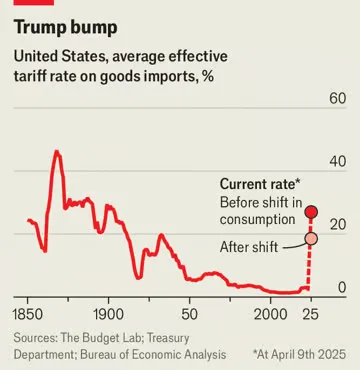
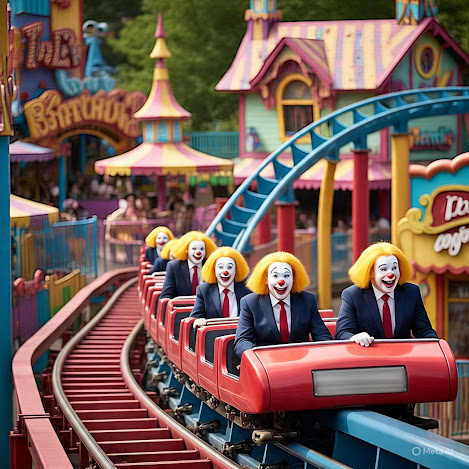
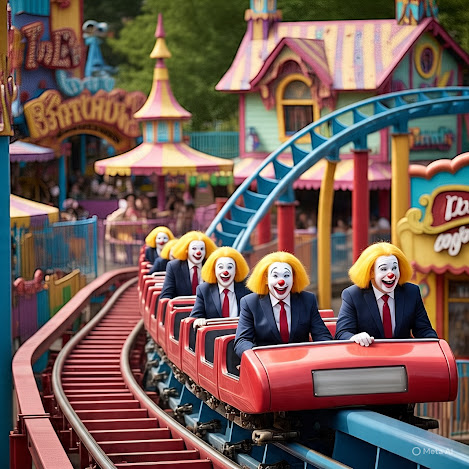
The global financial landscape has experienced profound turbulence in recent months, marked by significant stock market volatility directly attributable to escalating international trade tensions and the widespread implementation of tariffs by the United States government. Following a multi-year bull run that culminated in a market peak in February 2025, investors have been subjected to a tumultuous journey, witnessing some of the steepest drops and rapid recoveries in recent history. The market, at one point, shed a full 20% of its value, only to rebound remarkably, approaching its prior peak as of this writing in mid-2025. This dramatic rollercoaster ride has left businesses, investors, and policymakers grappling with uncertainty, largely pinpointing tariffs as the primary catalyst for this unprecedented economic whiplash.
Understanding Tariffs: A Fundamental Overview
At its core, a tariff is a tax imposed by a government on goods and services imported from another country. These duties are levied on the importer, whether it be an individual purchasing an item directly from an overseas supplier or a multinational corporation bringing in vast quantities of products. While paid initially by the importing entity, the economic burden of tariffs ultimately falls on the end consumer. For instance, when retailers like Amazon or Walmart import goods, their increased cost of acquisition due to tariffs is inevitably passed on to shoppers through higher retail prices. Similarly, industries requiring imported raw materials or components, such as steel, copper, or lumber for construction projects or manufacturing, face elevated input costs. This, in turn, translates to higher prices for everything from new homes to manufactured goods, effectively acting as a broad-based sales tax across the economy.
Historically, tariffs have served various purposes, from generating government revenue to protecting domestic industries. While the revenue aspect can contribute to national budgets and potentially reduce deficits, the overarching economic consensus among most economists is that tariffs generally slow economic activity and reduce overall spending power. The critical balance lies in maintaining tax levels that are minimal, predictable, and fair, fostering an environment where businesses and individuals can plan for the future with confidence.
The Shift Towards Protectionism: A Recent History
The United States’ post-World War II economic policy largely embraced free trade, characterized by low tariffs and the establishment of international agreements like the General Agreement on Tariffs and Trade (GATT), which later evolved into the World Trade Organization (WTO). This framework facilitated the globalization of supply chains, fostering unprecedented economic growth and interdependence. However, this long-standing approach has been significantly challenged by recent administrations, particularly under President Donald Trump, who adopted a more protectionist stance.
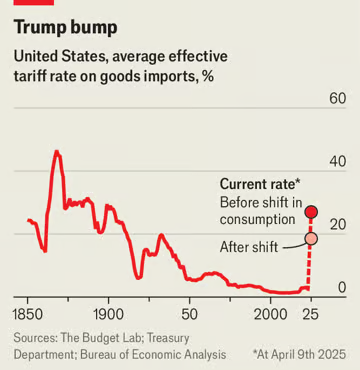
A significant turning point occurred in April 2025, dubbed "Liberation Day" by the administration, when President Trump announced further extensive tariff increases. This declaration triggered one of the sharpest single-day stock market declines since 1932, reflecting widespread investor apprehension. This was not an isolated incident; it followed a pattern of escalating trade rhetoric and actions. Even prior administrations, like that of Joe Biden, had utilized tariffs, such as those on imported solar panel components, ostensibly to protect domestic manufacturing and appeal to specific voter bases. These policies, however, have been criticized for increasing the cost of renewable energy adoption and hindering overall economic efficiency. The current administration has further amplified these tariffs, underscoring a bipartisan willingness to employ protectionist measures, albeit with differing justifications.
Economic Arguments: A Divisive Debate
The rationale behind the aggressive use of tariffs is a subject of intense debate. Proponents, often aligning with the current administration’s stance, argue that tariffs are a strategic tool to:
- Protect Domestic Industries: By making imported goods more expensive, tariffs can give domestic producers a competitive advantage, theoretically leading to increased sales, job creation, and investment in national industries (e.g., auto manufacturing, steel production, national defense sectors).
- Reduce Trade Deficits: Tariffs aim to curb imports, thereby narrowing the gap between a country’s imports and exports.
- Leverage in Negotiations: They are often presented as bargaining chips to compel trade partners to concede on other issues, such as intellectual property rights or market access.
- Generate Revenue: Tariffs do collect revenue for the government, which can be directed towards various national priorities.
However, a vast majority of economists and international organizations present a strong counter-argument, highlighting the detrimental effects:
- Increased Consumer Costs: As detailed, tariffs are ultimately paid by consumers through higher prices for goods and services, eroding purchasing power and contributing to inflation.
- Reduced Economic Efficiency and Growth: By shielding domestic industries from international competition, tariffs can diminish incentives for innovation and efficiency, leading to less competitive and lower-quality domestic products.
- Retaliatory Tariffs: Trade partners often respond with their own tariffs on the imposing country’s exports, harming domestic industries that rely on international markets. For instance, U.S. agricultural exports have frequently been targets of retaliatory measures.
- Supply Chain Disruptions: Modern global supply chains are highly integrated. Tariffs disrupt these intricate networks, forcing businesses to find alternative, often more expensive, suppliers or relocate manufacturing, leading to inefficiencies and higher costs.
- Uncertainty: The unpredictable nature of tariff policies creates significant uncertainty for businesses, deterring long-term investment and planning.
Impact Across Sectors and the Delayed Fuse
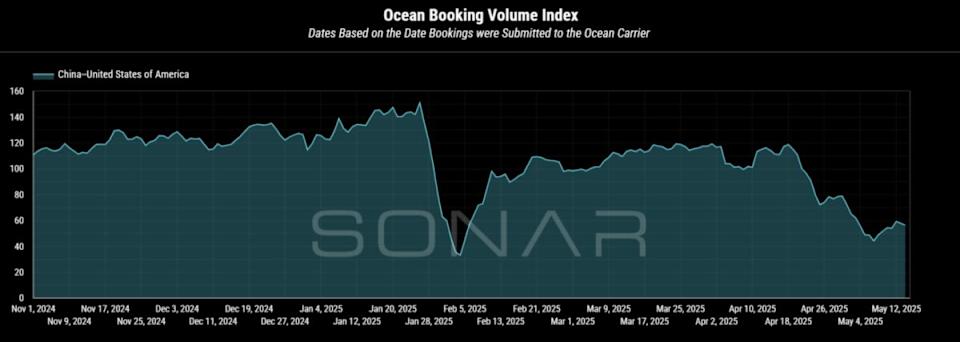
The effects of these tariffs are not uniformly felt and often manifest with a delay. While the U.S. economy is vast and operates like a massive cargo ship with considerable inertia, the impact is slowly but surely becoming apparent. Initially, businesses with existing inventory or those able to front-load orders before tariffs took full effect could mitigate immediate price increases. However, this strategy is temporary. Data from sources like the Freightwaves Ocean Shipping Index (OSI) indicates a significant drop in imports following the tariff implementations. As stockpiled inventory depletes, the economic consequences—including shortages and more pronounced price increases—are projected to become evident throughout the summer and fall of 2025.
Specific sectors are particularly vulnerable. Manufacturing industries that rely on imported components face higher operational costs. Retailers must decide between absorbing costs and passing them to consumers, potentially impacting sales volumes. The agricultural sector remains highly susceptible to retaliatory tariffs from key trading partners, threatening the livelihoods of farmers. Consumers, already facing inflationary pressures, will see their disposable income further squeezed.
Responses from Stakeholders and the Legal Challenge
The business community has largely voiced strong opposition to the tariff regime. Industry associations representing manufacturers, retailers, and technology companies have consistently lobbied for a return to lower tariffs and greater trade predictability, citing the negative impact on profitability, supply chains, and consumer welfare. Economists from institutions like the International Monetary Fund (IMF) and the World Bank have echoed these concerns, warning of the potential for global economic slowdowns and increased geopolitical tensions if trade disputes escalate.
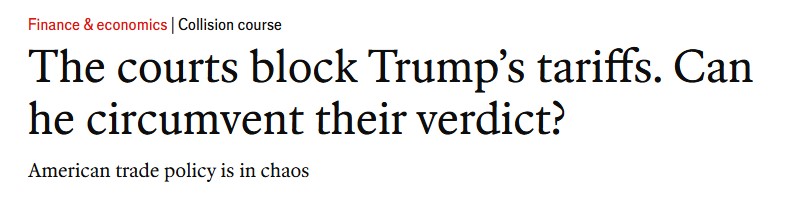
The broad discretionary power exercised by the executive branch in implementing tariffs has also raised constitutional questions. Critics argue that such unilateral actions undermine the "three independent branches of government" principle, concentrating immense economic power in the hands of a single individual. This has led to legal challenges, with courts beginning to scrutinize the scope of presidential authority in trade matters, as highlighted by reports from publications like The Economist. The outcome of these legal battles will be crucial in defining the future balance of power in U.S. trade policy.
Navigating the Future: Scenarios and Investment Posture
The trajectory of the current trade environment remains uncertain, with two primary scenarios emerging:
-
A Sustained High-Tariff Regime: Should the current elevated tariffs persist, the economic consequences could be severe. This scenario envisages a prolonged period of economic contraction, potentially leading to a recession. Businesses would be forced into a costly and inefficient restructuring of global supply chains, with some reshoring production at higher domestic costs. Innovation could stagnate due to reduced competition, and consumers would face persistently higher prices and fewer choices. Such a scenario could also lead to greater geopolitical fragmentation as countries retreat into protectionist blocs.
-
De-escalation and a Return to Lower Tariffs: Many investors and analysts, however, are betting on this more optimistic outcome. This scenario posits that the tariffs are primarily a negotiating tactic, and that eventually, a truce will be reached, leading to a significant reduction in trade barriers. Such a resolution would likely trigger an economic rebound, as businesses regain certainty, supply chains stabilize, and consumer purchasing power improves. The stock market’s remarkable recovery, despite the ongoing tariff environment, reflects this underlying investor confidence that stability and free-ish international trade will ultimately prevail.
For individual investors, the market’s recent gyrations underscore a timeless lesson: avoid panic selling. As illustrated by unfortunate anecdotes of investors locking in substantial losses during periods of peak fear, emotional reactions to headlines can be detrimental to long-term financial health. The resilience of the market, even in the face of significant policy shifts, reinforces the importance of a diversified, long-term investment strategy. The fact that the U.S. stock market has largely recovered to near all-time highs, despite tariffs remaining significantly elevated compared to historical averages, suggests that collective investor sentiment leans towards an eventual resolution and a return to more stable trade policies.

The Imperative of Critical Information Consumption
In an era dominated by click-funded commercial media, the distinction between informing and sensationalizing has blurred. News headlines are often crafted to generate outrage and fear, prioritizing attention over factual accuracy. This bias, while sometimes political, is fundamentally economic, driven by the monetization of engagement. To navigate this complex information landscape, individuals must cultivate critical thinking skills. This involves moving beyond headlines, seeking out original sources, consulting diverse and reputable analyses, and developing a foundational understanding of the subjects that impact their lives. The stark contrast in reporting from different media outlets, as often observed, highlights the imperative for media literacy and a balanced approach to information gathering.
Ultimately, while the current period of tariff-induced volatility presents significant challenges, the enduring lesson from economic history is that systems are resilient and adapt. The long-term health of the economy depends on predictable, fair, and globally cooperative trade policies. As long as democratic institutions function to correct policy imbalances, the underlying mechanisms for long-term prosperity are likely to remain intact.

